Fall Storm Preparedness with Pets Hurricanes Floods and Wildfires
Recognize The Fall Storm Risks
So here’s the thing: as autumn settles in, we often look forward to cozy sweaters, pumpkin-spiced treats, and crisp morning walks with our pets. But right alongside that seasonal charm, fall weather can bring powerful storms, heavy rainfall, and even the occasional hurricane or wildfire flare-up. If you’re wondering about fall storm pet preparedness, trust me, you’re not alone. This is the time of year when picking up extra caution can make a world of difference for your furry family.
Many of us have felt that nervous flutter when a storm starts blustering outside. Our four-legged friends can sense the drop in atmospheric pressure and mood too. They aren’t just pets; they’re family members who rely on us for comfort and security, especially during weather emergencies. Whether you’re dealing with sudden flooding, high winds, or storm-related power outages, having a game plan in place can reduce stress for both you and your pets.
Let’s walk through each important step together. We’ll talk about building emergency kits, mapping out evacuation routes, and figuring out how to keep pets calm when thunder booms. We’ll also see how even everyday autumn hazards, like toxic mushrooms or spilled antifreeze, can turn risky during storms. By the end, you’ll have a solid foundation and some friendly encouragement to keep your crew safe—even if the weather gets a little wild.
Build Your Essential Pet Kit
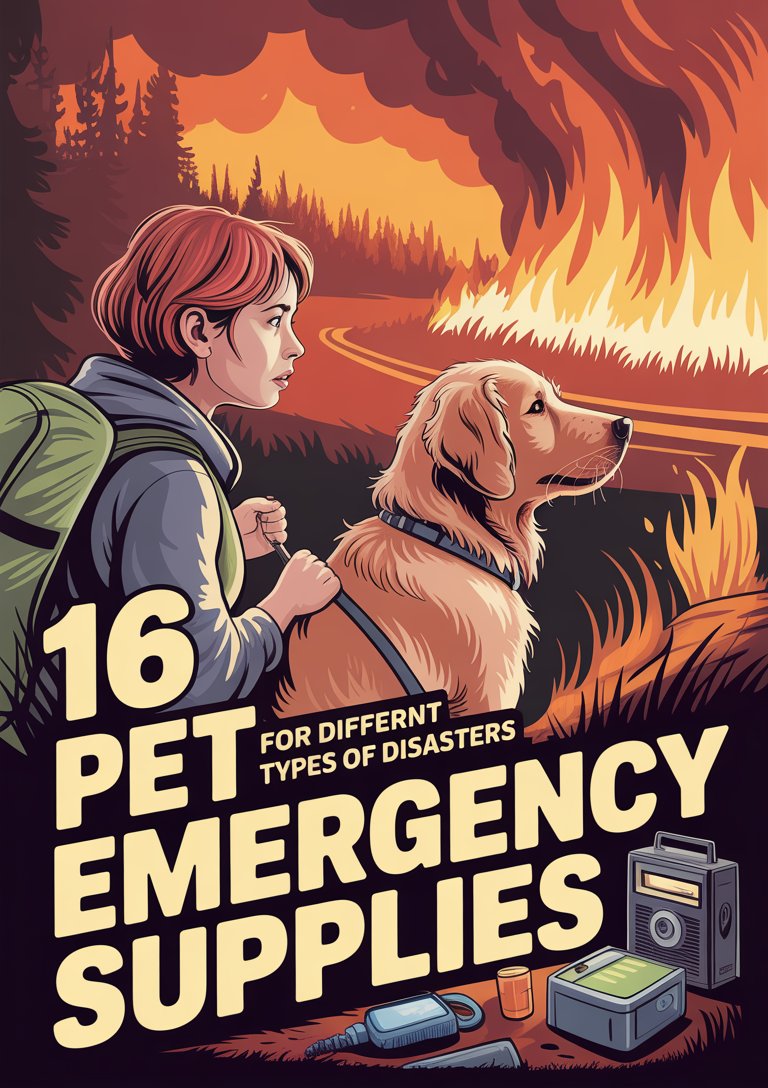
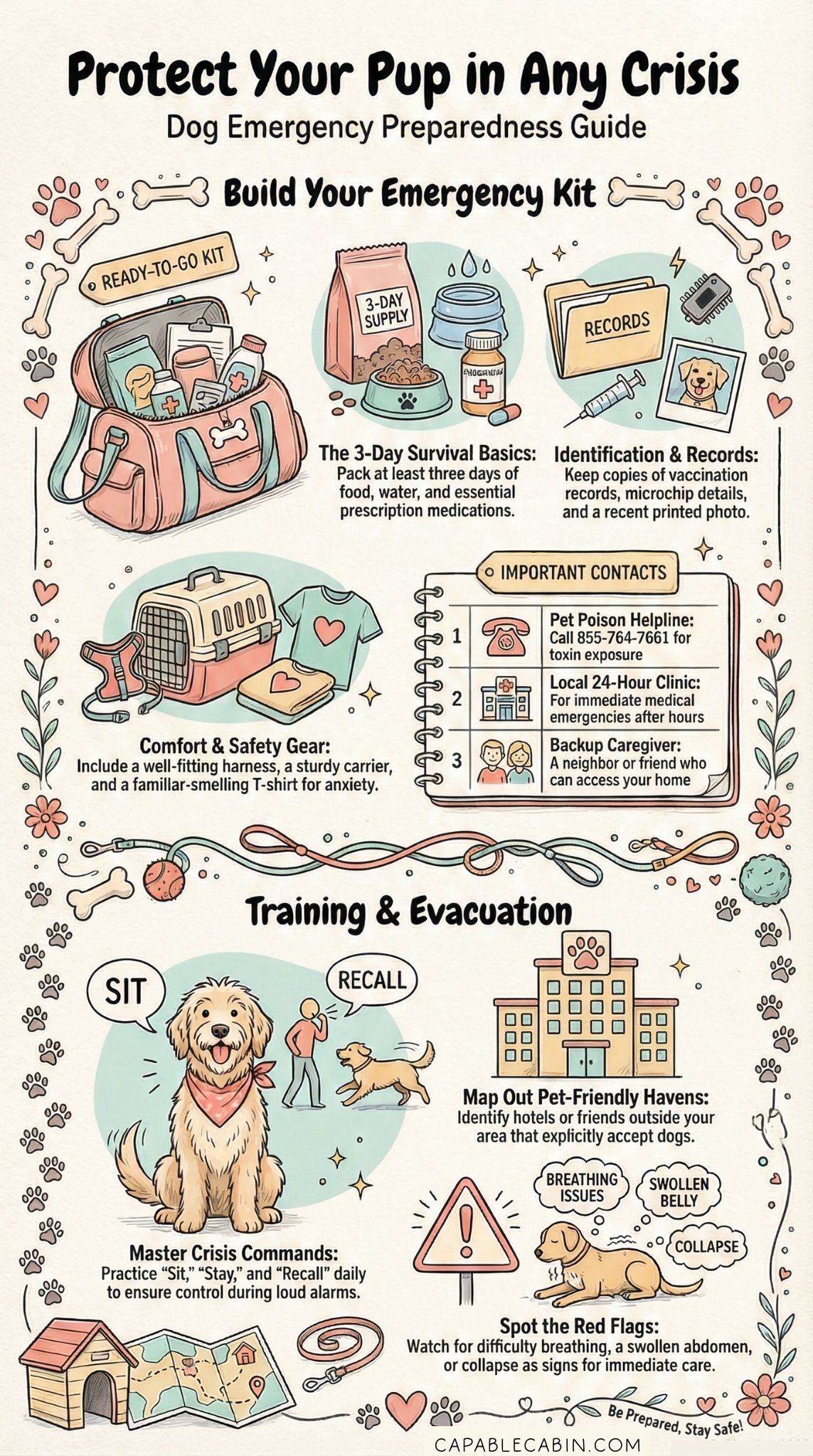
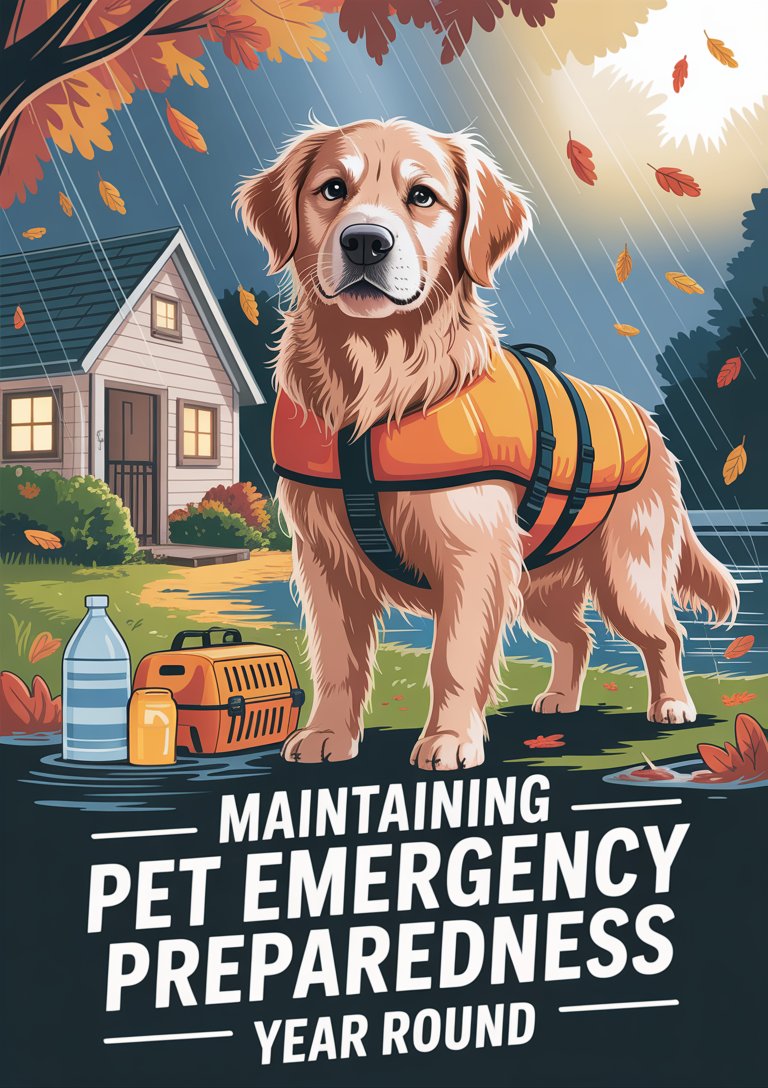
One of the best ways to keep your anxiety in check is to have an emergency kit ready to roll. According to Ready.gov, it’s wise to maintain two kits for your pets: a bigger set of supplies for sheltering in place and a lightweight version for evacuations. That way, you’re covered whether you stay put or leave quickly.
Supplies To Gather
Let’s start by listing the basics of what you’ll need:
Food and Water
- Aim for at least three days’ worth of food and bottled water, though many people prefer a full week’s supply, just in case. Be sure to rotate and replace items regularly so expiration dates don’t sneak up on you.
Medications and First Aid
- If your pet takes any prescription meds, include at least a week’s supply. Pop in some bandages, antiseptic, and a pet-safe pain reliever if your vet recommends it. You can also check out a more detailed pet first aid kit list to ensure you’re not missing any key items.
Collars, Harnesses, and ID
- Keep an extra collar or leash in your kit. Make sure all your pets have proper identification (microchips, tags, or both). This is especially crucial if you have multiple pets—mix-ups can happen during hectic moments.
Comfort Items
- A familiar blanket, towel, or even a beloved toy can help your pet feel more at ease amid chaos. In stressful scenarios, that one piece from home can be grounding. For added comfort ideas, take a peek at pet emergency comfort items.
Important Documents
- Veterinary records, vaccination certificates, and a current photo of your pet can be lifesavers if you get separated. Look into storing digital copies on your phone or online too.
Lightweight Carrier Or Crate
- If you’re evacuating, each pet should have a sturdy carrier. According to Ready.gov, getting them comfortable with the carrier ahead of time can reduce stress if you need to grab and go.
Sheltering In Place vs. Evacuating
- Sheltering In Place: This might happen if you’re in a sturdy building where it’s safer to remain indoors during a storm. Your bigger kit should have plenty of supplies to ride out a few days without power. Keep your kit in an easily accessible area so you can grab it quickly.
- Evacuation: If local officials say it’s time to leave, trust that guidance. Your lightweight kit should include foldable bowls, a smaller bag of food, and a handheld water dispenser. Also, plan for lodging. Many hotels don’t accept pets unless they’re service animals, so line up a pet-friendly stay in advance. For more insight, you might check out pet evacuation planning tips to ensure you’ve got your bases covered.
Protect Against Seasonal Hazards
Fall storms can be stressful enough, but autumn also brings extra risks that can catch us off guard. You might be totally prepared for the wind and rain, but then your dog gobbles up a toxic mushroom in the yard, or your cat finds a spilled puddle of antifreeze in the driveway. Let’s walk through the biggest seasonal hazards to keep on your radar.
Toxic Foods And Hidden Dangers
- Falling Fruit And Rotting Produce
If you have fruit trees or decorative gourds around your home, be mindful that rotting produce can harbor mold. Moldy fruit can lead to mycotoxin poisoning in pets, causing stomach upset or more severe reactions. Stay vigilant about regularly picking up fallen apples and other fruits from your yard. - Mushrooms
Some mushrooms are harmless, but others can be dangerously toxic. Since it’s nearly impossible to differentiate safe from harmful varieties at a glance, the safest policy is to keep your pets away from any mushrooms. A quick sweep of your yard, especially after a rainfall, can prevent trouble. - Coolants And Antifreeze
As temperatures drop, many people change their car’s coolant. Ethylene glycol-based products taste sweet and are highly toxic to pets. According to the ASPCA, even a small spill can be lethal if ingested. Consider using propylene glycol-based coolants, which are less dangerous, and clean up any drips ASAP. - Rodenticides
Rodents tend to seek warmer shelter as fall temperatures dip, so rodent poison use goes up. These products are extremely toxic to pets. Be careful where you place baits and check that your curious cat or dog can’t access them. If you suspect ingestion, call your vet immediately.
School Supplies And Miscellaneous Items
- Glue Sticks And Markers
With schools back in session, you may have kiddos leaving pens, glue sticks, or markers around. While these products are generally low in toxicity, they can cause an upset stomach or a blockage if your pet chews or swallows them. Tuck them away so your pet can’t easily reach them. - Essential Oils And Scented Items
Fall also inspires scented candles and diffusers. Certain essential oils might irritate your pet’s skin or, if ingested, cause serious issues. Keep open flames and strong-scented products out of your pet’s reach since curiosity can lead them into trouble.
Checking Your Yard
Regular yard inspections are extra important during storm season. Wind and rain can blow in debris that may be harmful. Keep an eye out for broken fences, fallen branches, or newly exposed roots. For thorough yard patrol tips, some folks find it helpful to use a quick checklist like the one we have in forgotten pet emergency supplies because it covers items we often overlook.
Map Out An Evacuation Plan
Have you ever tried scrambling to find a pet-friendly hotel in the middle of an emergency? It’s not something you want to handle halfheartedly. According to the American Red Cross, if it’s unsafe for you to stay behind, it’s unsafe for your pets. A solid plan helps everyone breathe easier.
Finding Pet-Friendly Shelters
- Hotels and Motels: Keep a list of at least three or four pet-friendly accommodations along your evacuation route. You might bookmark them on your phone or print them out in case cell service is unreliable.
- Friends and Family: If you have friends or family in safer areas, discuss in advance whether you can bring your pets over if a storm escalates. People are often more welcoming when they understand the scenario ahead of time.
- Local Shelters: Some emergency shelters temporarily allow pets, but many do not accept them unless they are service animals. Learn the policies in your city, and be prepared with an alternative if you can’t bring your pets to a general shelter.
Practicing The Drill
Let’s talk about your evacuation “dry run.” I know, it sounds a bit over-the-top. But practicing once can seriously reduce panic later.
Carrier Familiarity
- Make sure your pets know their carriers aren’t scary. Lay out the carrier with a treat inside. Let your pet explore it over a few days so it’ll feel like a safe space instead of punishment when you need to leave in a hurry.
Timing Yourself
- See how long it takes to gather your emergency kit, secure your pets, and get out of the house. If it’s longer than you’d like, see if you can shave off a minute or two by organizing your gear better.
Assign Roles
- If you have family or roommates, decide who’s responsible for grabbing each pet. This is especially important for multi-pet households (check out multi-pet emergency preparedness for additional pointers).
Navigation Rehearsal
- Drive the route you’d likely take to your safer destination, so you’ll know the road before it’s hidden under stormy conditions. GPS might fail in a power outage, so an old-school paper map can be reassuring too.
Large Animals And Extra Steps
If you have horses, goats, or pigs, you already know they require unique planning. According to Ready.gov, you’ll want extra feed, bigger crates or trailers, and somewhere to move them if an evacuation is ordered. You may need more time to load and transport large animals, so factor that into all your planning. Later in this article, we’ll dive deeper into bigger species and how to keep them safe.
Stay Calm In The Midst Of Chaos
We’re all in this boat together—storms can make you and your pets anxious. Thunder claps, howling winds, flickering lights…it’s no wonder heart rates go up. The trick is to have some coping tactics ready.
How To Soothe Your Pet
- Comfort Through Routine
Try to maintain feeding times, walks, and bedtime schedules as much as possible. Even fleeting moments of normalcy can ground a nervous pet. - Safe Zone
Designate a room or a corner of your home as your pet’s safe space. Fill it with soft bedding, water, and a familiar toy. Being in a known retreat can help them feel secure during storms. - Use Gentle Reassurance
It’s okay to offer calm words or gentle petting. Contrary to popular myth, you won’t “reward” their fear by soothing them. If they’re looking to you for comfort, it helps to show you’re there for them. - Masking Noise
Sometimes, playing relaxing music at a moderate volume can help minimize the jarring effect of thunder and wind noise. White noise machines or a familiar TV show also can dull the outer rumbles.
Managing Your Own Stress
Remember, your pets sense your mood. If you’re pacing and feeling panicked, they’ll likely ramp up as well. Easier said than done, but practicing your own breathing exercises or stepping into another room for a moment can help you calm down, which in turn helps your pet.
Handle Bigger Animals Too
Not everyone has cats and dogs. If you’re caring for horses, goats, or pigs, you know these animals require extra space and specialized resources. Here’s how to keep them safe when storms threaten.
Housing And Transport
- Designated Shelters
If you have a barn, make sure it’s structurally sound. High winds and floods can damage buildings quickly, so routine maintenance is key. - Evacuation Trailers
Large animals need time and patience to load. If they’re not already accustomed to trailers, do some practice sessions. Keep the trailer well-maintained and ready to go, especially with fresh bedding. - Alternate Locations
Identify a friend’s farm or a public stable outside of the storm zone. Forward planning is critical because many places fill up fast when warnings go out.
Feeding And Medical Needs
- Extra Water
Large animals can drink significant amounts of water. Store plenty in large, sealed containers so you don’t run out midway through a crisis. - Medications And Records
Store veterinary records for each large animal, much like you would for a cat or dog, only the needs are more complex. Stock up on special feed or supplements too. Keep them dry and sealed. - Behavior Changes
Storm anxiety can appear in big animals too. They might become defensive or try to flee. Keep yourself safe by handling them calmly and confidently. Let them know you’re there with a gentle voice and deliberate movements.
Keep Yourself Informed
Information can be a real lifeline if you’re worried about flooding, high winds, or a nearby wildfire. It’s tough to make decisions in the dark, so staying updated with local alerts is crucial. Here’s what you can do:
Local Alerts And Weather Apps
- Download Reliable Apps
Many local news stations have apps that provide immediate notifications about hazardous weather or evacuation orders. The American Red Cross also offers general hazard and evacuation information. - Follow Official Channels
Social media can be helpful, but also overwhelming. Double-check official government sites like Ready.gov for accurate, real-time updates. You don’t want to rely on rumors or unverified posts when it comes to your safety.
Pet-Focused Resources
- Veterinarian Updates
Many vet clinics share local advisories or emergency schedules on their websites or social media pages. Keep your vet’s phone number handy in case you need urgent medical help for your pet. - Community Groups
Plug into volunteer and community networks that share relevant news about shelter availability, lost pets, or local hazards. Just be sure to confirm any info you find before acting on it.
Checking Forecasts Frequently
We all know how the weather in the fall can change in the blink of an eye. One day, it’s bright and crisp. Next, torrential rain is pounding your neighborhood. Check the forecast often, especially if you suspect a storm is brewing. If you see warnings escalate, set your plan in motion sooner rather than later. Being proactive can make a huge difference.
Practice Seasonal Pet Safety
While storms are the headline, let’s not forget everyday fall safety. Cooling temperatures mean your pet might need a little extra warmth, especially smaller or older animals. Autumn also brings unique challenges like earlier nightfall and cold, damp mornings. Here’s how to keep them comfortable so they’re in good shape if a big storm does come through.
Proper Shelter And Warmth
Indoor Access
- If you typically let your pets roam in the yard, consider bringing them in if nighttime temps drop severely. Short-haired breeds or older pets can be particularly vulnerable.
Bedding Upgrades
- Provide thick blankets or pet beds in draft-free areas. Watch for signs of discomfort like shivering or paw licking. If your pet hesitates to go outside for bathroom breaks, it could be a sign they’re cold.
Outerwear
- Some pets do well with a sweater or doggy jacket. Test it out at home first. If they’re visibly uncomfortable or resisting movement, try a different size or style.
Keeping Up Exercise
Shorter days shouldn’t mean less exercise—your pet’s health depends on regular walks or play sessions. If storms are frequent in your area, find indoor games to keep them active. Tug-of-war, hide-and-seek with treats, or a hallway fetch session can burn off energy when it’s too wet or cold to stay outside for long. This helps reduce stress and restlessness, which is especially key if a major storm disrupts normal routines.
Consider Common Disasters In Fall
While hurricanes and wildfires often dominate emergency headlines, fall storms can mean intense rainfall or early snow in some regions. You might face flash floods, power outages, or other surprises. Let’s break these down a bit so you can tailor your preparations.
Hurricanes
- Coastal Communities: If you live near the ocean, hurricane season can linger into the fall. In addition to your standard kit, be ready for possible storm surge or major flooding. Keep your pet carriers near the exit, and know your evacuation route cold. For a deeper dive on hurricane-readiness, see hurricane pet preparedness.
- Boarding-Up: When you board up windows, also check that your pets stay clear of the debris. Loose nails or splintered wood can become hazards.
Floods
- Ground-Level Dangers: Floodwaters can contain chemicals, pathogens, and debris that harm your pets. Even shallow water can sweep away smaller animals. If flooding is likely, move pet supplies and carriers to a higher level in your home. For more flood-specific tips, check out flood preparedness for pets.
- Evacuation: If officials say to evacuate, don’t wait until water is at your door. Load pets early. Floods can trap you faster than you think.
Wildfires
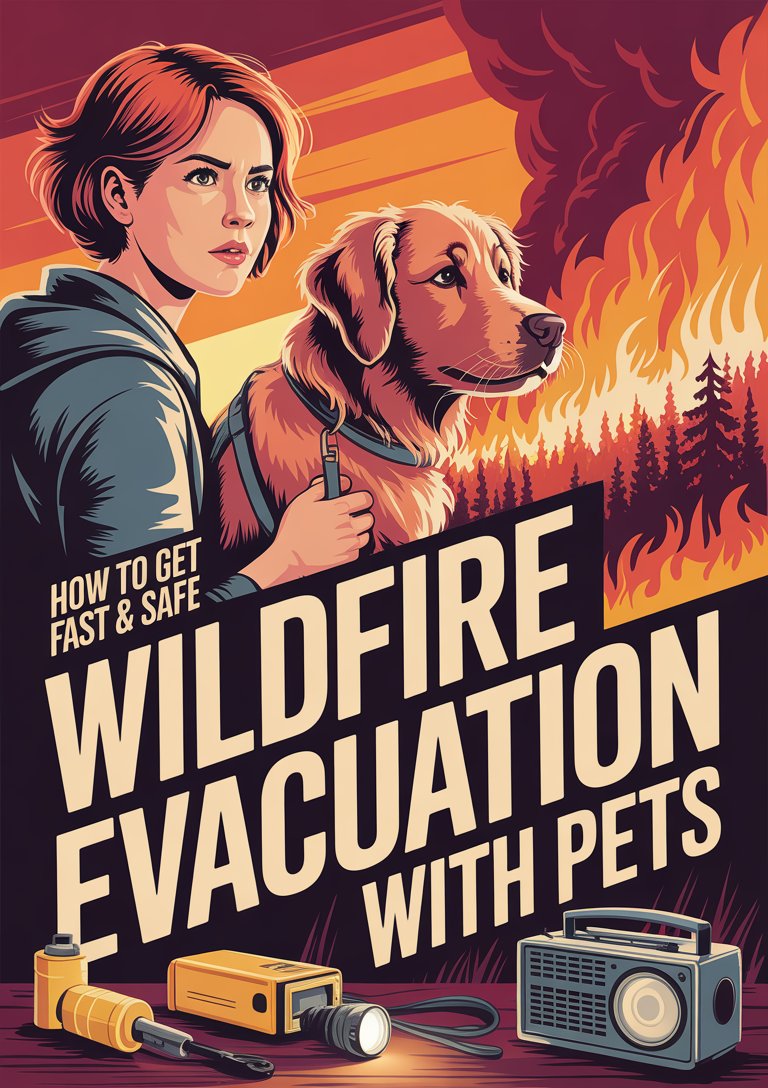
- Smoke Inhalation: Even if the flames aren’t close, smoke can irritate your pet’s eyes and lungs. Keep them indoors if the air quality is poor, and run an air purifier if possible. If a wildfire creeps too close, get out quickly. For specific pointers, look at wildfire pet evacuation.
- Burn Risk: Pets can’t gauge how hot the terrain might be. If you see ash or burnt ground outside, inspect it before letting them walk on it, since embers can stay hot well after the fire subsides.
Maintain Supplies And Rotate Stock
Having an emergency kit is great, but only if everything inside is still usable. Food eventually expires, and meds lose potency. According to Ready.gov, it’s wise to check your kit every six months or so.
Simple Rotation Tips
Label Expirations
- Write expiration dates in marker on items like canned pet food or medicine. That way, you see at a glance when you need to replace them.
Seasonal Swap
- Each new season, refresh your kit. Fall might require more blankets or a jacket for your pet, while summer calls for extra water and cooling pads. A quick check ensures you’re prepared all year round.
Reuse Responsibly
- If certain items are nearing expiration, rotate them into daily use instead of tossing them. Then restock with fresh supplies. We explore this process more in rotating pet emergency supplies, which can help you budget effectively.
Support Pets With Special Needs
We know not every pet is the same. Older animals, pets with medical conditions, or exotic species like reptiles and birds all have unique concerns when storms hit. Here’s how to keep them safe:
Senior Pets
- Mobility Issues
If your dog has arthritis or your cat struggles to jump, plan how you’ll help them navigate during an evacuation. Maybe a ramp or a stroller would be easier than carrying them. For more tailored advice, see senior pet emergency preparedness. - Medication Management
Older pets often need regular meds. Keep a clearly labeled dispenser in your kit so you can track dosages, especially under stress.
Exotic Animals
- Temperature Control
Animals like reptiles and birds often need precise temps. If the power goes out, how will you keep them warm? A battery-operated heat pad or hand warmers (wrapped safely so pets can’t get burned) might be a solution. If you own more unusual species, exotic pet emergency preparedness has more thorough guidelines. - Transport Containers
Snakes, lizards, or birds will need secure, well-ventilated carriers if you have to evacuate. Practice placing them in these containers calmly before an actual emergency.
Multi-Pet Households
- Separation Plans
During high-stress situations, even friendly pets can squabble. If you have dogs and cats, or multiple cats, consider whether you need separate spaces or carriers. This helps keep everyone calm. - Label, Label, Label
Have a system so you don’t mix up each animal’s leash, collar, or medication. We dive deeper into these tips in our multi pet emergency preparedness article.
Practice Regular Drills And Training
Don’t wait until you hear thunderclaps to practice. Even a five-minute routine can teach your pet to respond calmly to commands that might save their life in a real storm. Consider introducing special cues or training specific to emergencies, like coming immediately when called from any part of the house.
Helpful Commands
- “Come” Or “Here”
This is a big one. Your dog’s reliable recall can help you gather them quickly, especially if they’re spooked by lightning or surprise winds. - “Crate”
If your pet learns to go into their crate on command, you’ll have an easier time loading up if you need to leave quickly or keep them contained. - “Wait”
This skill prevents them from bolting out the door unexpectedly. During a storm, doors might blow open or you might open them unexpectedly. You don’t want a frightened pet running off.
You can find additional pointers in our emergency training commands pets discussion. Even old dogs (and cats) can learn a few new moves with gentle and consistent practice.
Think About Your Living Situation
Not everyone has a sprawling backyard or garage for storage. For those in apartments or urban settings, pet preparedness might require more creativity. Let’s look at how you can adapt.
Apartment Dwellers
- Minimal Storage
If storage space is tight, opt for collapsible bowls, smaller food containers, and vacuum-sealed winter gear for your pet. Keep items in a closet near the front door or in a sturdy bin under your bed so they’re easily grabbed. - Evacuation Routes
High-rise buildings can complicate leaving during an emergency. Keep a pet carrier in an accessible spot. Practice using the stairwell so your pet doesn’t panic going down multiple flights. For extra ideas, check out pet emergency prep apartments.
Rural Homes
- Distance Issues
If you live far from town, you might deal with power outages or blocked roads more often. Store extra fuel for your vehicle and keep your phone, battery packs, and weather radio charged. Rural living also means being ready to handle large animals, so consider the tips we shared earlier or head over to rural pet emergency preparedness.
Budget-Friendly Tips
Preparedness doesn’t have to cost a fortune. Sometimes the expense of buying all these supplies at once seems overwhelming. Here are a few suggestions for building your kit over time:
Buy In Small Batches
- Each grocery trip, grab one extra can of pet food or a few single-serve water pouches. Spread out the cost so it’s less noticeable.
DIY Solutions
- You can repurpose items around the house. Old blankets, plastic bins, or homemade pet toys can serve as emergency comfort gear. We dive into more tips in diy pet emergency supplies.
Ask For Samples
- Some vet clinics or pet stores offer free samples of certain items, like new brands of pet food or grooming wipes. Keep these freebies in your emergency kit to avoid extra spending.
Sales And Coupons
- Stock up when pet essentials go on sale. A well-timed coupon spree can help you stretch your emergency fund further. For additional money-saving ideas, see budget pet emergency preparedness.
Dealing With Power Outages
Storms often knock out electricity. Your pets rely on you for everything from lighting to climate control, so a blackout can be unsettling for them.
Light Sources
- Flashlights And Lanterns
Keep a stash of batteries for flashlights. Lanterns or battery-powered night lights can help your pets move around more confidently instead of bumping into things. - Emergency Radio
A hand-crank or battery radio can keep you in the loop about weather changes or evacuation orders. This is recommended by the American Red Cross.
Temperature Regulation
- Keeping Pets Warm Or Cool
In colder months, layer extra blankets or safely utilize hand-warmer packs near your pet’s bedding. For warm seasons, open windows if it’s safe to let in fresh air or use battery-powered fans. Either way, keep a close eye on your pet’s comfort level. Any sign of distress might mean you need to relocate to a safer, climate-controlled spot. Check out power outage pet preparedness for more ideas.
Remember Seasonal Exercises And Hydration
Just because the weather is cooler doesn’t mean hydration goes out the window. Pets can become dehydrated in fall too, especially if it’s windy or if you keep the heater running.
Fresh Water Stations
- Keep clean bowls in multiple areas, especially if the heat is on indoors. Dry air can lead to thirst.
Active Play
- If your pup loves fetch, consider using a well-lit indoor area or a safe porch if it’s too wet or cold outside. Even cat owners can arrange a fun obstacle with boxes or batting toys to keep them moving.
Monitor Weight
- With cooler conditions, pets might be less active, so watch out for any weight gain. On the flip side, stress from storms can sometimes reduce appetite. Pay attention to your pet’s feeding habits and speak with your vet if you see drastic changes.
The Emotional Side Of Preparedness
Let’s not brush aside how exhausting it can be to worry about storms, flooding, or possible evacuations. You might feel guilty if you can’t do everything perfectly. But please remember: preparing for emergencies is a learning process for all of us. Every small step you take now sets you and your pets up for a safer future.
Confidence Building
- Small Victories
Each time you add a new item to your emergency kit or practice a swift evacuation drill, pat yourself on the back. Those wins add up. - Community Connection
Talk to neighbors who have pets about their strategies. Sometimes hearing real-life tips from someone in your immediate area can spark new ideas or reassure you that you’re on the right track.
Stress Management
- Talk It Out
Sharing your worries with friends or family can lessen the burden. If you have a supportive friend group, let them know you’re anxious about storm season. They might be too, and you can help each other through it. - Seek Professional Help
If you find that storm anxiety is significantly affecting your daily life, consider speaking with a mental health professional. Being in the best frame of mind helps you make better decisions for you and your pets.
Wrap Up And Check In Often
Fall storm pet preparedness isn’t about perfection; it’s about being proactive, steady, and empathetic. Give yourself space to learn and improve as each season passes. Often, the best strategy is simply checking over your supplies, staying tuned to local weather updates, and practicing a calm, well-organized approach if things get dicey.
There’s no one-size-fits-all solution, because every home and every pet is unique. But we do have a universal truth: your pets depend on you to keep them safe, and a little preparation goes a long way. By having two emergency kits, mapping out your evacuation plan, and understanding common fall hazards, you’re giving them—and yourself—the best possible chance in the event of a real storm.
So let’s keep that forward momentum. Check your kit’s expiration dates, review your evacuation route, and maybe take a moment to cuddle your pet. I totally get that preparedness can feel like one more thing on our full plates, but trust me, you’re not alone. We’re all in this together, making small strides day by day. With each step, you’re proving just how much you’ve got this—and your furry companion will thank you with every wag, purr, or contented snuggle. Stay safe out there, and here’s hoping for a peaceful season filled with more cozy nights than stormy ones.