Power Outage Preparedness for Pets: How to Keep Them Safe in the Dark
Ever had that moment of total darkness where the power flicks off, and you suddenly realize how quiet and maybe a little eerie your home can feel? Now imagine how your pets feel in those first moments, too. Sometimes, it’s not just about finding flashlights or lighting a few candles. For many of us, power outages can hit out of nowhere—storms, heatwaves, or even an overloaded grid—and that’s exactly why thinking ahead about power outage pet preparedness can help you and your furry (or scaly, or feathered) friends cope safely. Let’s walk through a clear, supportive plan you can lean on when the lights go out, one step at a time.
Tackle Power Outage Challenges
When the power fails, everyday routines can feel upside down. As humans, we might cure our boredom by scrolling phones (until the battery dies) or rummaging for board games. But your beloved pets do not have the same easy distractions. Instead, they may sense your tension or hear sudden, strange noises like electric hums fading out. According to Verdegy, dogs and cats can detect frequencies we cannot. When electricity stops, it changes the entire background hum of your home, which can leave pets anxious or spooked. So, let’s explore a few common worries and how to handle them:
- Your pet might panic or hide because of unexpected silence and darkness.
- Temperature control systems stop. Summers turn stuffy and hot, winters get chilly.
- Your normal routine gets disrupted, which might stress pets used to a daily schedule.
- You’re suddenly scrambling to find alternative ways to meet everyday needs like water, light, and security.
Staying calm reaffirms for your pets that there’s no danger. Animals look to us for cues. They’re like four-legged reflection mirrors, picking up on our worry or frustration. This is where a little preparation goes a long way. If you feel you’ve got a plan, you’re less likely to tense up—and your pets will pick up on that confidence, too.
Collect Essential Pet Supplies
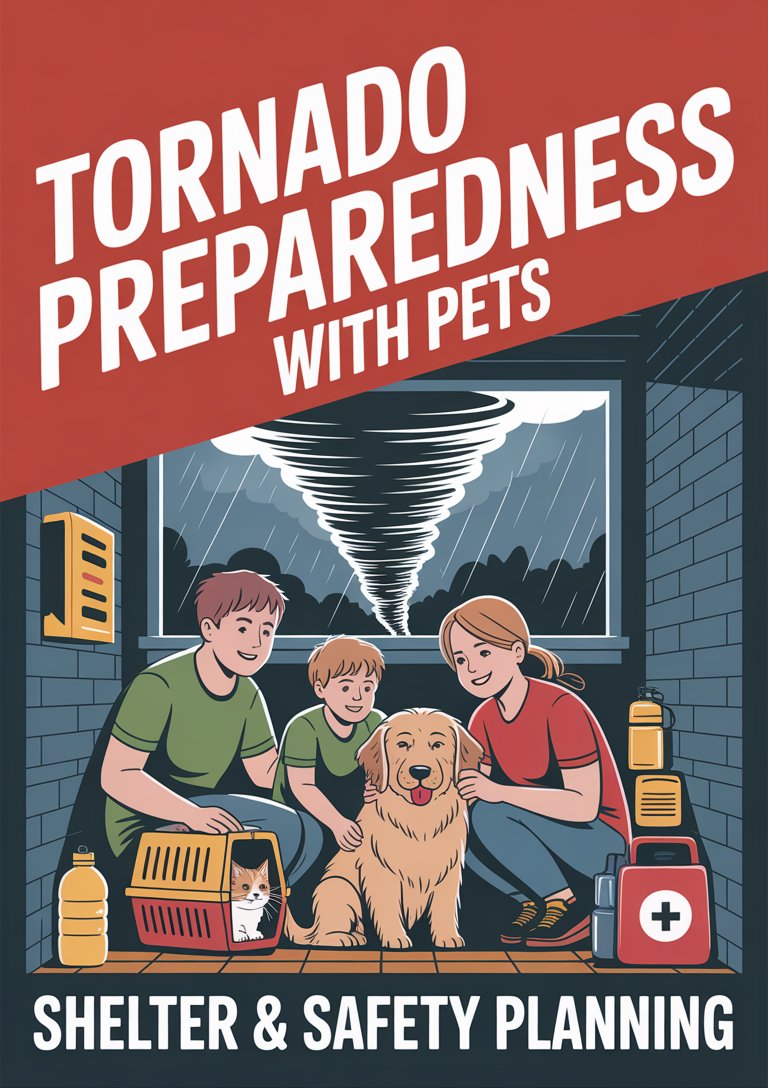
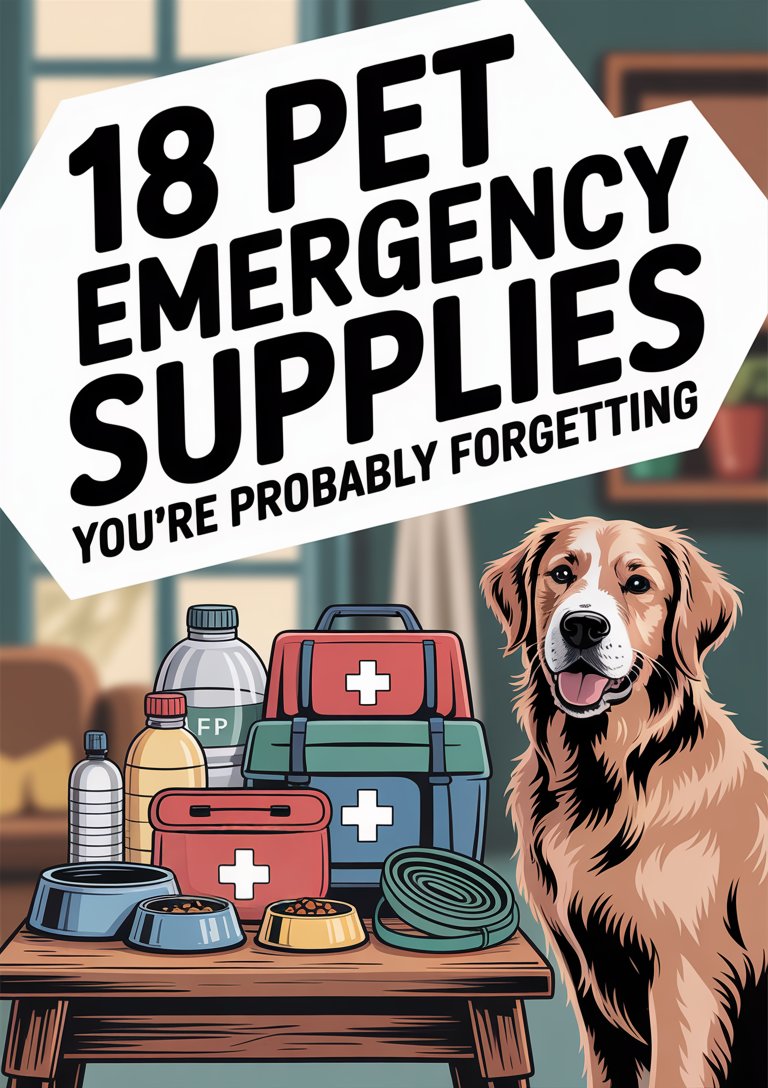
We’ve all been there, rummaging through the pantry at the last minute. But a solid stash of emergency items will make life so much easier. In fact, Ready.gov recommends keeping at least two pet emergency supply kits: one that’s larger for staying in place and another that’s portable if you must evacuate. Before you start piling gear into a box, let’s break down what you really need.
Gather Basic Items
Just like us, pets need consistent access to food, water, and comfort, even if the power is out for a while. Aim for at least a week’s worth of supplies per pet—if you have multiple pets, that volume adds up quickly. Include:
- Enough canned or dry food for seven days (pick something your pet eats regularly to reduce dietary upsets).
- A manual can opener if you choose canned food.
- Four liters of water per day for large dogs, or two liters for smaller pets, but always keep extra.
- A couple of bowls or collapsible dishes if you’re short on space.
- Medication or vitamins your pet needs, plus a list with dosage instructions in case you need outside help.
- Plastic bags or biodegradable poop bags for dogs, and plenty of litter for cats.
Once you have these basics set aside, give everything a quick check every few months to ensure nothing is expired. That same scheduling trick used for rotating household emergency items works here, too. For more detailed pointers on heartworm pills or flea treatments, you can refer to your veterinarian or find tips under pet emergency medical preparedness.
Stock Up On Comfort And ID
When stress spikes, your pets will cling to anything familiar. Try to keep a favorite blanket or toy in their emergency kit—something that smells like home. Not only will these items help keep them calm, but they’ll also be a physical reminder of safety. If you ever have to leave in a hurry, your pet will appreciate that sense of normalcy.
Also, double-check their ID tags and microchip info. According to Rover.com, outdated microchip details can become a nightmare if your pet gets lost during a chaotic moment like an evacuation. The American Red Cross advises placing a rescue sticker alert on your home to indicate how many pets live with you [1]. That way, if rescue workers come by while you’re gone, they’ll know there are animals inside needing help.
Maintain a Comfortable Environment During Outages
Your pets rely on you for not just the basics, but also for that feeling of security. Without electricity, daily rhythms can feel jumbled. Lights, fans, and even typical background noise vanish, sometimes causing pets to pace, whine, or meow in distress. So, the question is, how do we keep our fluffy or feathered friends at ease when everything is dark?
Control Temperature When You Can
- In cold weather, add extra blankets to maintain heat. Wrap crates or tanks with towels or cardboard for insulation (particularly important for reptiles).
- In hot weather, keep the indoor air flowing by opening screened windows if you can do so safely. Battery-operated fans are a big help, too. Make sure they’re secure so your animals can’t knock them over.
- Portable power sources like a small generator can ease your mind, but if you do use a generator, remember important safety guidelines: always run it outdoors to avoid carbon monoxide hazards [2].
Stay on Schedule
It helps pets if you keep them on a normal feeding, walking, and play schedule. Of course, it might look a bit different without electricity. But dogs still need yard or neighborhood walks, and cats still look forward to mealtime. If you have an anxious pet, setting an alarm on your phone (until the battery dies!) or a battery-powered watch can keep you on track. By maintaining these small routines, you show them life remains predictable.
Use Safe Lighting Methods
Try using flashlights, battery-powered lanterns, or LED lights instead of open flames. Birds, for instance, are especially sensitive to fumes, so having candles burning all over the house might stress them further and even harm their delicate respiratory systems [3]. If you must use a candle, keep it well out of your pets’ reach, and never leave them unattended. A wagging tail or curious paw could knock something over and start a fire. That’s one headache nobody wants.
Handle Different Pet Species
Each home is unique, and so are the pets inside it. You might have three cats, a couple of dogs, or a reptile terrarium. Some folks even keep fish tanks or bird cages. If you’ve got an especially diverse mix, you might check out multi pet emergency preparedness to tailor your plan more specifically. For now, let’s break down a few species-specific notes, because “one size fits all” definitely doesn’t apply here.
Cats And Dogs
Felines and canines usually adapt quickly, especially if you’re nearby. Here’s what helps:
- Keep them indoors if the environment outside is hostile (e.g., downed power lines or severe storms).
- Crates or carriers should be accessible. The folks at Ready.gov stress how important it is for your pets to be comfortable with carriers before an emergency.
- Try to maintain your usual feeding times, walk schedules, and cuddle breaks. Even short walks around the block can help calm a restless dog. For cats, interactive toys or scratch pads can reduce anxiety.
If you share your life with a senior dog or cat, you might want to see additional tips under senior pet emergency preparedness, since older pets may need more frequent potty breaks, medications, or special bedding to stay comfortable.
Fish And Aquatic Pets
We often forget how sensitive fish can be to changes in their environment. Without a filter or aerator running, the oxygen level in their tank will slowly decline. Generac notes that fish can survive about one to two hours without intervention, but then it becomes critical to supply oxygen somehow.
- Consider a battery-powered air pump to keep water aerated.
- If temperature is a concern (extreme heat or cold), try insulating the tank with towels or blankets while monitoring the water temperature.
- Avoid adding hot or cold water directly to adjust the tank temperature quickly—it can shock the fish.
Reptiles And Amphibians
Reptiles, amphibians, and other exotics typically rely on external heat sources. A bearded dragon, for example, needs a basking lamp. Without power, their bodies can’t regulate temperature properly. You can do some creative workarounds:
- Prepare chemical hand warmers—wrap them in a sock or towel, then place them near your pet’s enclosure to provide gentle heat.
- If it’s safe, you can use a fireplace or a gas stove for localized warming, but keep your reptile at a distance from fumes. Birds are not the only species sensitive to air quality; reptiles also need well-ventilated spaces.
- Temporarily move reptiles to a smaller enclosure that’s easier to keep warm.
For more nuanced advice, you might also check out exotic pet emergency preparedness, especially if you have snakes, lizards, or amphibians that require highly specialized care.
Birds
Birds tend to stress out quickly during sudden changes. Some are prone to night frights if they’re plunged into darkness unexpectedly. According to Generac, it helps to keep them away from candles or other open flames, and they’ll appreciate a steady supply of fresh water and a comfortable spot to perch.
- Maintain a normal day-night cycle if possible. Open the curtains or windows for natural light (assuming it’s safe).
- Offer extra snacks to keep their energy up in cold conditions.
- If it’s very hot, open a window for a breeze and mist them gently with water to keep them cool.
Develop An Evacuation Plan
Sometimes, an outage is just the start of a larger emergency. Hurricanes, wildfires, or extended blackouts might force your hand. And, as American Red Cross emphasizes, if local officials tell you to evacuate, taking your pets with you is essential. Leaving them behind is never a good idea.
Know When To Leave
If your home environment becomes dangerous—let’s say there’s no safe drinking water, or it’s too cold for you or your pets—evacuation might be your best call. In that scenario, having a “go-bag” for your pet can save precious minutes:
- Keep carriers or crates in an easy-to-reach area.
- Store a printed list of nearby pet-friendly shelters or hotels.
- Have physical copies of vaccination and veterinary records handy.
If you think you might have to relocate with your dog or cat, see pet evacuation planning for practical steps on checking local shelters, traveling safely, and confirming that your pets are welcome wherever you plan to go.
Plan For Medical Emergencies
Darkness piles on extra trouble if your pet is already ill or becomes injured. For instance, your cat might accidentally knock over something sharp in the dark, or your puppy might chew on a cord in confusion. Always have a first aid kit and know what signs indicate your pet needs urgent care, such as persistent vomiting or difficulty breathing [4].
- Basic items to include: gauze, adhesive tape, antiseptic wipes, scissors, tweezers, and a digital thermometer.
- Keep phone numbers for your vet, local 24-hour animal hospital, and a pet poison control hotline.
- If you need a more comprehensive overview, you can consult our pet first aid kit list.
Should you notice serious symptoms—like seizures, heatstroke, or severe wounds—get to a veterinary clinic as soon as it’s safe. It’s better to overreact and bring them in than to second-guess and risk a life-threatening situation.
Strengthen Your Daily Preparedness Habits
A big part of caring for pets through a power outage is actually about what you do before it ever happens. Adopting small habits now can prevent big headaches later.
Practice Carrier Training
Many cats, dogs, rabbits, or other small animals feel nervous about carriers or crates if they only see them right before a vet appointment. Spend some time getting your pet used to stepping inside voluntarily. Maybe toss a treat or a toy in. Let them realize it’s a safe space, not a “punishment box.” That comfort level proves invaluable if you ever need to shelter in place with them crated or if you must travel.
Rotate Your Storage
Food, water, and medication have expiration dates. Set a calendar reminder every six months (or a frequency that makes sense for your supplies) to check your emergency stash. While you’re at it, confirm your contact information is still up to date on ID tags. That might also be a good time to consider changes in your home—maybe you got a new dog, adopted a kitten, or moved to a different area. Each tweak in your living situation might require minor updates to your plan.
Rehearse Pet Drills
Having a quick “mini-emergency drill” can be surprisingly helpful. For example, if you have multiple pets, practice gathering them into carriers on short notice. It’s a bit like a fire drill in school. You might never need to do it in a real crisis, but if that day comes, you’ve built some muscle memory. If you have kids in the house, let them in on the plan, too. They’ll feel more secure knowing exactly what to do. When you’re ready, check out pet emergency prep tasks for a list of quick exercises you can do to streamline your response.
Consider Special Circumstances
Not all households are the same. If you live in a high-rise apartment, if you’re on a tight budget, or if you have large farm animals, each scenario adds unique layers to your plan.
Apartments On A Budget
If you’re renting and space is limited, it can be tricky to store big tubs of supplies. But you can still be strategic. Keep a single, sturdy tote or backpack with essentials. Even if you’re counting pennies, you can rotate basic water jugs, buy pet food during sales, or collect small items over time. For additional ideas, see pet emergency prep apartments or budget pet emergency preparedness.
Rural Settings
Horse or goat owners know that large animals need significant advance planning. You’ll need a trailer and a safe place to move them if an outage is part of a bigger disaster like a wildfire or blizzard. Even if you’re just dealing with a random blackout, ensuring you have adequate water storage for livestock is crucial. Ready.gov emphasizes prepping large animals well before an emergency hits, so they’re easier to move if needed. You can also check out rural pet emergency preparedness for a deeper dive into farmland concerns.
Keep Spirits High And Stress Low
Your attitude speaks volumes to your pets. Have you ever noticed how a confident, calm presence can soothe an anxious dog almost instantly? That’s the vibe we want to cultivate, especially when the world goes dark. Let’s not sugarcoat it: power outages can be annoying, and even scary when they stretch on. But here’s what helps keep your pet’s spirits up (and yours, too):
- Mini reward approach: Give your pet a small treat each time you complete a positive step, like changing the batteries in your lantern.
- Comfort items: Beyond a favorite blanket, add an old T-shirt that smells like you. Scents can calm a stressed pet—familiar is calming.
- Social media check-ins: If you still have a phone signal, share quick updates with neighbors or local groups to coordinate. Sometimes, you’ll find out which streets are still lit or if there’s a local resource center offering basic supplies.
Try to break up any long period of darkness with short play sessions or cuddle time. If you can keep the mood optimistic, your pet will follow suit. You’ll both ride out the outage more comfortably.
Table: Quick Tips For Different Pets
Sometimes, scanning a quick reference guide is all you need in the moment. Here’s a simple table summarizing a few key pointers:
| Pet Type | Key Concern During Outage | Quick Tips |
|---|---|---|
| Dogs & Cats | Anxiety from silence & disrupted routine | Stick to feeding/walk schedules, provide comfort items, use battery-powered lights |
| Fish (Aquatic) | Lack of oxygen & stable water temperature | Use battery-powered air pumps, insulate tank with towels, avoid sudden temperature changes |
| Reptiles & Amphibians | Loss of heat source | Use hand warmers or hot water bottles (wrapped), keep enclosure small & insulated |
| Birds | Sensitivity to fumes & darkness stresses | Avoid candles or strong fumes, offer extra snacks, mist with water in hot weather for cooling |
| Small Mammals | Temperature shifts & unfamiliar environment | Provide hideouts, cozy bedding, maintain normal feeding times |
Use this cheat sheet as a refresher when you need a confidence fix. If you need deeper details, we’ve got entire topics like exotic pet emergency preparedness that dive further into specifics.
Recap And Move Forward
Power outages can be unpredictable, but your pets rely on your steady hand. The ultimate goal is to ensure everyone stays safe, calm, and well-cared-for until the lights flicker back on. Even if the outage is part of a bigger emergency, you’ll handle it far better if you’ve prepared ahead of time. Here’s a quick recap to keep in mind:
- Keep a dedicated stash: Food, water, meds, ID tags, comfort items, and a first aid kit.
- Manage the environment: Control temperature with blankets or battery-powered fans, avoid open flames, and keep your pet’s routine intact.
- Consider unique needs: Fish need aeration, reptiles need warmth, birds avoid fumes.
- Evacuate thoughtfully: If it’s no longer safe at home, bring your pets with you.
- Stay informed: Use local alerts, coordinate with neighbors, and keep your phone or radio charged longer if you can.
We’re in this together. If you’re ever feeling overwhelmed, remind yourself that a little planning now goes a long way when the lights vanish later. Think of it as an interchangeable toolkit. You can adapt these tips for storms, heatwaves, or any sudden crisis that leaves you in the dark. Plus, once you see how your pets relax through even a short outage, you’ll know that your time spent prepping was absolutely worth it. After all, they’re our companions, trusting us to keep them safe—no matter what challenges roll in with the next power cut.
Remember, you’ve got this. Power outages can be inconvenient, sure, but with a bit of know-how and a calm spirit, you and your pets will confidently navigate the dark. That’s genuinely what matters most: knowing you’ve done everything you can to protect your furry, feathered, or scaly family members when life throws a curveball. Keep that flashlight handy, share a few extra treats, and rest easy knowing you’re prepared. Your pets will thank you with plenty of tail wags, purrs, chirps, or contented silence when the dark eventually lifts.