Wildfire Evacuation with Pets How to Get Out Fast and Safe
Wildfire season can show up at your doorstep faster than you might think. When you’re suddenly faced with a rapidly spreading blaze, a well-planned wildfire pet evacuation can be the difference between scrambling in panic and escaping safely with your beloved animals. We’re all in the same boat here: you love your pets like family, and ensuring their well-being is a top priority. So let’s explore, step by step, what it looks like to organize a plan, pack the right supplies, and prepare for the unexpected. By the end, you’ll feel more confident about getting out fast, staying safe, and keeping your four-legged friends (or winged, or hoofed) right by your side.
Recognize The Wildfire Risk
So here’s the thing: wildfires have become increasingly common in many parts of the country. Dry seasons last longer, and high winds can make a small spark explode into a full-blown inferno in record time. Before we tackle specific pet-related tips, let’s acknowledge why proactive planning matters. According to Ready.gov, local officials might require you to evacuate on short notice, giving you precious little time to gather your pets and essential items. When you’re not prepared, panic can set in quickly.
Taking a moment now to recognize these risks allows you to create a wildfire evacuation strategy that protects every member of your household. We’ll dig deeper into the nitty-gritty of that plan, but before we do, give yourself some credit. You want to keep your pets safe—you’re already on the right track.
Signs Wildfires May Threaten Your Area
- High winds and elevated temperatures
- Prolonged drought conditions
- New wildfire alerts from local authorities
- Visible smoke or ash in the air
Pay attention to weather forecasts, local alerts, and fire danger ratings. Sign up for text notifications through projects like Project Wildfire, which suggests texting “COFIRE” to 888-777 if you’re in certain regions. That quick step can keep you informed around the clock.
Assemble A Pet Emergency Kit
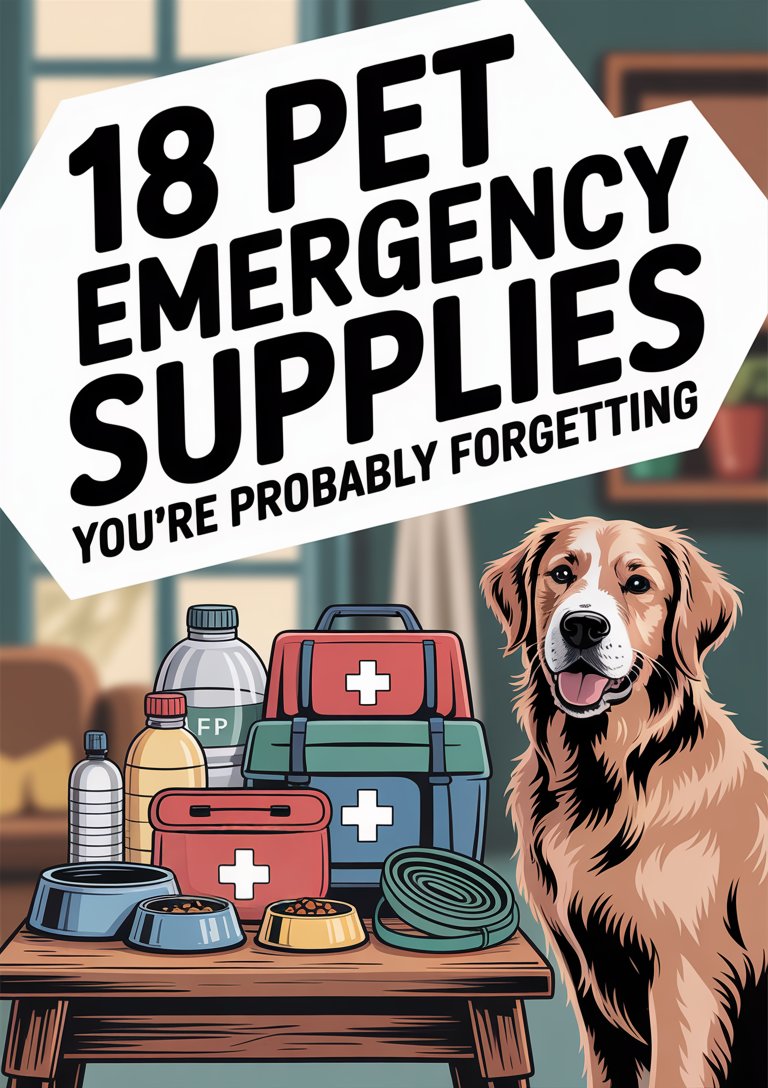
When you’re racing against time, having a go-bag ready for your pets can mean everything. Think of this kit like a piece of insurance: you hope you’ll never have to use it, but you’ll be grateful it’s there if you do. The ASPCA recommends getting these essentials together well before disaster strikes, so you’re not scrambling for bowls, carriers, or medication at the last second.
Key Items To Pack
- Two-week supply of pet food (and a can opener if needed)
- Drinking water
- Any prescription medications
- Medical records in a waterproof container
- Extra leash, harness, or collar
- Pet carrier that’s sturdy and comfortable
- Current photos of your pets (printed, not just on your phone)
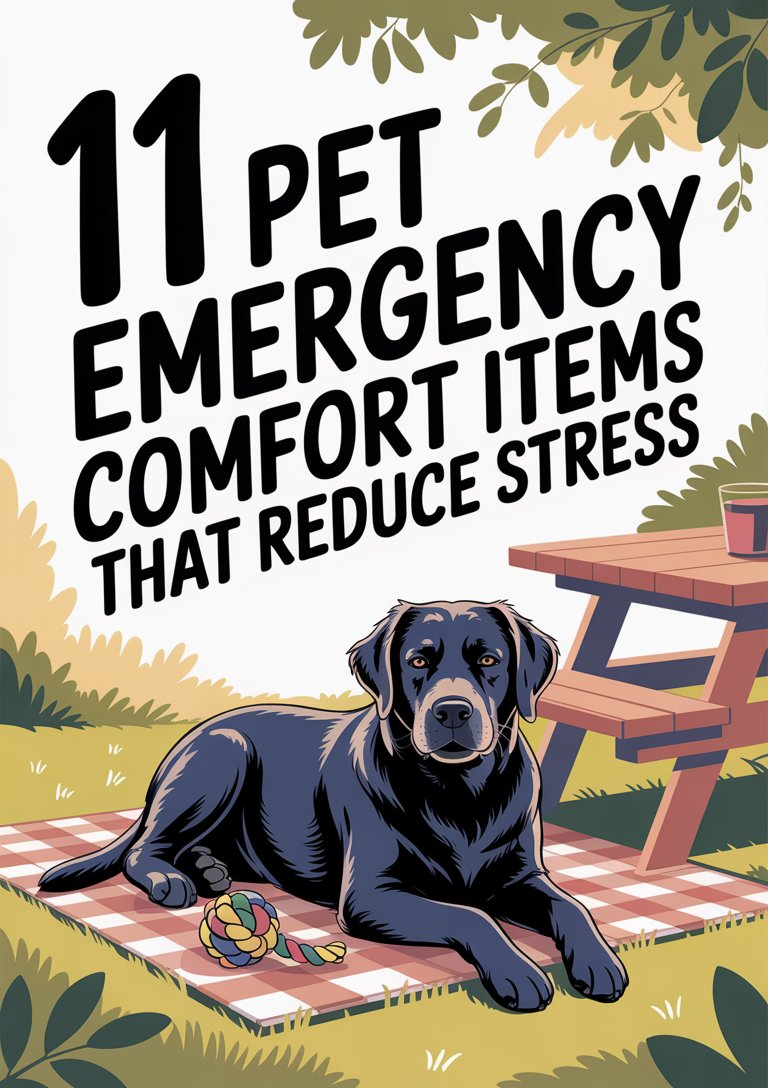
- Familiar toys or blankets to ease anxiety
You’ll notice this list includes not just the basics, but also comfort items. A stressful emergency can spike your pet’s anxiety, and having something that smells like home can help. Ready.gov also points out the importance of having multiple kits: one for sheltering in place and a lighter version for quick evacuation. That’s right—you might need more than one, depending on your location and personal situation.
If you’re juggling multiple pets or even exotic animals, consider looking into multi-pet emergency preparedness or exotic pet emergency preparedness. Some of us share our homes with reptiles or birds who have specific needs, so tailoring your kit to each species is vital.
Quick Checklist: Replace And Refresh
Just like human emergency supplies, your pet’s kit needs occasional updates. Try to revisit it every six months:
- Check expiration dates on medication
- Make sure the food is fresh
- Update your contact information on ID tags and microchips
- Verify that carriers and leashes are in good condition
Plan Your Evacuation Route
Step into your pet’s paws for a second: overcrowded evacuation routes, strange noises, and new smells can be overwhelming. You can reduce that stress by mapping out a clear strategy. Ideally, it includes not only a straightforward route out of your neighborhood but also backup plans if roads are blocked.
Create A Pet-Focused Strategy
- Identify Pet-Friendly Shelters: Many American Red Cross shelters do not accept pets (except service animals), so scope out hotels or animal shelters that can temporarily house your furry friend. Project Wildfire emphasizes the importance of knowing which places will welcome your animals.
- Use Familiar Paths: If a certain exit route passes by your vet’s office, your pet might feel a touch more comfortable traveling along that familiar corridor.
- Practice Quick Loading: Time yourself getting pets into carriers or into your vehicle. Aim to speed up every practice round so, in a real crisis, you can do it with minimal fuss.
Even if you’re in an apartment or a rural area, the concept is the same. In apartments, check out pet emergency prep apartments. If you live in the countryside, rural pet emergency preparedness gives specifics about long-distance travel and livestock concerns.
The Importance Of Early Evacuation
Waiting until mandatory orders might leave you in a bottleneck of panicked traffic. As Montrose Vet Hospital suggests, leaving early can drastically reduce stress for both you and your pets. It’s tough to walk away from home when you’re not 100% sure if the fire will reach your street, but erring on the side of caution is often the safer choice.
Prepare For Large Animals
If you keep horses, goats, or pigs, wildfire evacuations become more complex. Larger animals need extra time and space to load safely. Transport also becomes trickier, especially if your trailer can only carry a limited number of animals. Planning ahead is crucial so you don’t end up making multiple trips in hazardous conditions.
Tips For Large-Animal Evacuations
- Keep regular drill sessions: Get your animals used to loading calmly into a trailer.
- Partner with neighbors: Pool your resources. If you have a friend who also owns livestock, establish a mutual aid agreement.
- Map out multiple destinations: Not every shelter can take horses. Research ranches or fairgrounds that offer emergency stabling.
- Label your animals: Use livestock-safe identification like ear tags or microchips.
Ready.gov specifically mentions taking preemptive steps for large animals, since the window to perform an evacuation with big livestock is often shorter than you’d expect. Time is everything here.
Stay Informed And Ready
Wildfires evolve quickly, so your best chance at a solid evacuation is staying informed about conditions. Keep a reliable radio or phone app on hand for up-to-date emergency alerts. Some areas have community text systems to notify you when fire danger spikes.
Local Alerts And Resources
- Follow your county emergency management authorities on social media.
- Subscribe to official text alerts.
- Check local news websites for real-time evacuation maps.
If you want additional details on how to stay prepared year-round, consider exploring seasonal pet preparedness calendar. It offers monthly reminders and tasks that keep you in the loop, so you’re not caught off-guard during wildfire season.
Practice Early Evacuation
Here’s a thought: practice evac drills may sound like overkill, but trust me, they work. Dogs and cats can pick up on your anxiety. If you’re running around the house frantically, trying to chase your cat who’s gone under the bed, you’ll both be stressed. Why not spend a quiet weekend morning doing a quick run-through? Gather everyone in one room, pull out carriers, leash or harness your pets, and walk through your plan step by step.
Sample Evac Drill Steps
- Set A Timer: Give yourself a realistic window (say, 10 minutes or less) to test your readiness.
- Round Up Pets: Use treats and calm persuasion. If they regularly hide, know your “hiding spot approach.”
- Load The Car: Place carriers and gear in the car the same way you would for a real evacuation.
- Check Your Kit: Tick items off your packing list (food, water, meds, records).
By doing this a few times a year, you’ll feel more confident and comfortable. It’s a bit like a fire drill we did in school — practice makes it second nature.
Shelter And Care Options
Evacuation might mean you’re away from home for a few days, maybe longer. That’s why it’s essential to know where your pets can safely stay. While some folks might have friends or family nearby who can house them, not everyone has that luxury. Many standard shelters won’t allow pets (though they do allow legitimate service animals). You’ll need a plan B.
Pet-Friendly Places To Consider
- Boarding Facilities: Call ahead to ask if they have an emergency shelter program.
- Pet-Friendly Hotels: Identify a few potential spots on your evacuation route. Keep notes on pet fees.
- Local Animal Shelters: Some may set up temporary pet emergency shelters during wildfires. Give them a quick call or check their websites.
- Animal-Friendly Community Centers: Occasionally, local community centers step in to help.
Bring a lightweight version of your pet’s comfort items — a favorite toy or a small blanket. Stress can run high for everyone, and familiar scents help ease the tension.
Prevent Pet Smoke Exposure
Wildfire smoke affects pets just like it affects us. In fact, according to Montrose Vet Hospital, our cats and dogs are as susceptible to smoke inhalation as we are. They can’t exactly throw on a gas mask, so we have to be extra cautious.
Tips For Protecting Your Pets
- Limit outdoor time during smokey conditions.
- Close windows and doors as much as possible, using air purifiers if available.
- Keep an eye on signs of respiratory distress: coughing, wheezing, or excessive fatigue.
- Schedule a vet visit if your pet has pre-existing conditions like asthma or heart issues.
If you ever suspect a serious breathing issue, that might be a common pet emergency, so play it safe and talk to your veterinarian immediately.
Build Community Support
You don’t have to do this alone. In fact, leaning on your community can make all the difference. A neighbor’s trailer might be big enough to carry both your horses, or your best friend’s garage might double as a safe harbor for your cat if your hotel doesn’t allow him. It’s all about forging connections before disaster strikes.
Ways To Build A Support Network
- Join local social media groups for pet owners
- Swap phone numbers with pet-owning neighbors
- Consider fostering pets for others if you have space
- Collaborate on group drills: you help with their plan, they help with yours
Montrose Vet Hospital also mentions the importance of temporary foster care. Offering to foster a pet during a wildfire can relieve pressure on local animal shelters and provide a safe haven for animals whose families are in crisis.
Maintain Your Preparedness
It’s one thing to set up a top-notch plan — it’s another to keep it going. As the seasons change, your pet’s needs might shift too. Maybe you adopted a new dog this year, or maybe your cat’s medical routine changed. Keep these updates in mind, so your plan doesn’t gather dust in a closet.
Ongoing Action Steps
- Refresh Supplies: Rotate food, restock water, and check medication expiration dates at least twice a year.
- Revisit Your Plan: Update contact info, addresses, and phone numbers in your evacuation paperwork.
- Practice New Routines: If you have a new pet or your companion has special needs, incorporate that into your next practice drill.
- Stay In The Loop: Keep an eye on local fire conditions and remain active in your neighborhood group.
Consider weaving this into a monthly or quarterly habit. You can even add reminders to your calendar to keep yourself on track. If you feel like you could use a general refresher, maintain pet emergency preparedness offers more ideas to integrate into your routine.
Additional Considerations For Tailored Needs
It’s not just dogs and cats that need your care during wildfire season. Some of us have small rodents, reptiles, birds, or senior pets who require special attention. Let’s break down a few scenarios to get you thinking about how to adapt your base plan.
Senior And Special-Needs Pets
Older animals or those with ongoing medical conditions often have extra meds, dietary restrictions, or mobility challenges. Packing for them might include:
- Arthritis-friendly bedding
- Easy-grip harnesses
- Pre-portioned medications
- Quick access ramps if your vehicle sits high
If your older dog or cat travels poorly, it might be worth practicing short drives in non-emergency situations. For more insights, check out senior pet emergency preparedness.
Cats And Small Critters
Cats can be elusive during stressful moments, hiding in closets or under furniture. To make your life easier:
- Keep carriers out in the open, so they feel normal (rather than scary).
- Use gentle coaxing methods using treats or a favorite toy.
- Drape a thin cloth over the carrier to provide a calming sense of security.
Need cat-specific tips for emergencies? cat emergency preparedness can be a handy guide.
Exotic Animals
Birds, reptiles, and amphibians might require specialized enclosures or temperature controls. If you have a reptile that depends on a heat lamp, consider a portable heat source or an insulated carrier for short-term solutions. You might find additional resources in exotic pet emergency preparedness, which dive deeper into the nuances of temperature, humidity, and enclosure safety on the go.
Multiple Pets Under One Roof
If you’re a proud caretaker of many animals, you already know that feeding time at home can feel like a circus. In an emergency, that circus can go chaotic if you’re not organized. Here’s where color-coded carriers or labels can help identify each animal’s supplies. Remember to keep backups of leashes, bowls, and bedding. Find more detailed strategies in multi-pet emergency preparedness.
Table: Sample Pet Emergency Kit Breakdown
Here’s a quick reference to illustrate what your pet emergency kit might look like in a concise format. Feel free to customize it based on your specific animals.
| Category | Items to Include | Notes |
|---|---|---|
| Food & Water | 2-week supply of food, collapsible bowl, bottled water | Replace every 6 months |
| Health & Safety | Medications, vet records, first aid kit, ID tags | Check expiration dates and ensure ID info is current |
| Comfort & Toys | Blanket, favorite toy, scratching post (for cats), treats | Helps reduce anxiety |
| Restraint Gear | Photos of pets, contact list of vets, and list of feeding schedules | Ensure proper sizing |
| Documentation | Keep in a waterproof pouch | Keep in waterproof pouch |
| Misc. | Flashlight, poop bags, litter and tray, calming sprays | Adapt to your pets’ unique needs |
Evacuation Best Practices And Quick Reminders
Sometimes, in the chaos of the moment, the simplest reminders can be lifesavers. Let’s outline a few final tips to keep in your back pocket:
Evacuate With Pets, Not After
Don’t risk coming back for them later. If local officials say it’s time to go, load your pets right away.Use Carriers And Tethers
Even the calmest pet can panic. Secure them to avoid escapes or injuries while traveling.Check Smoke Conditions
If the air is heavily polluted, keep windows up in the car and use the air conditioning to filter smoke.- Notify Others If You Relocate
Let relatives, friends, or neighbors know where you’ve evacuated to. This helps rescuers, too, in case you’re separated from your pets. Have A Backup Communications Plan
Wildfires can knock out phone lines or power. Research alternative ways to stay in touch (like two-way radios) if cell networks go down.Think About the Budget
Emergencies can bring unexpected costs. If finances are tight, you might find some helpful tips in budget pet emergency preparedness.
Remember: these recommendations aren’t meant to add more stress. They’re here so you can breathe easier in a time of crisis, knowing you have a solid plan in place.
Emotional Considerations And Self-Care
It’s okay to acknowledge that this whole process can feel overwhelming. Caring for your own emotional well-being is just as critical as preparing a kit. If you’re anxious, your pets might pick up on that. So give yourself a moment. Take a few deep breaths, or chat with a supportive friend. You’re not alone in feeling that tension or worry. We’re all doing our best, and your pet loves you for it.
When The Dust (Or Smoke) Settles
Once the fire subsides and it’s safe to return home, you might notice your pets behaving differently. Stress, unfamiliar smells, or even damage to your neighborhood can be disorienting. Reassure them by reintroducing their usual routine—feeding times, familiar bedding, and even some new toys (they deserve a treat, after all). Keep a close eye for any lingering health concerns, especially respiratory issues.
Bring Your Plan To Life
The heart of wildfire pet evacuation planning is simple: keep your pets with you, prepare ahead, and act quickly when the moment comes. Each year, wildfires claim the homes of countless families, and many animals are tragically left behind in the rush to flee. By having a thoughtful plan, you’re increasing the odds that you and your pets will come out safe and sound.
Here’s a quick recap:
- Recognize the danger and sign up for local alerts.
- Assemble a thorough, well-labeled pet emergency kit with fresh supplies.
- Know where to go if you can’t stay at home — check pet-friendly shelters, hotels, or friends’ homes.
- Practice gathering all pets under time constraints, so you’re not caught off guard.
- Don’t wait for last-minute orders — evacuate early to avoid chaotic traffic and stressed-out animals.
When the time comes to act, remember that you’re prepared. You’ve got your kit, your plan, and your pets by your side. We can’t predict when a wildfire will strike, but we can certainly be ready to protect the ones who look to us for care and safety.
Final Encouragement
Let’s be honest, none of us want to imagine that day we might have to grab our pets and flee. But the peace of mind that comes from being ready? It’s worth every hour spent planning or practicing. You’ve taken the first step by learning these strategies. Now, go the extra mile — build that kit, do those drills, and talk to neighbors, friends, or local animal groups about your plan.
Trust me, if a wildfire ever threatens your neighborhood, you’ll be so glad you made these preparations. And you won’t have to face that moment with shaky uncertainty; you’ll have a reliable roadmap to keep your furry (or feathered, or scaly) family members safe. That’s what it’s all about: keeping our companions close, comforting them during a scary time, and showing that our love for them endures even in the face of danger.
So, friend, keep moving forward. You’ve got this. And remember that we’re all in this together, cheering you on every step of the way. Stay safe, stay ready, and stay hopeful — because when it comes to protecting your pets, every bit of effort makes a world of difference.