How to Include Pets in Your Family Emergency Plan
Hello friend, ready to tackle the important task of keeping your entire household—pets included—safe during emergencies? That’s where a family pet emergency plan becomes a true game-changer. We all know what it’s like to juggle daily life and responsibilities, but adding an emergency or natural disaster into the mix can feel downright overwhelming. The good news is, with a little preparation and a lot of heart, we can protect our furry companions and ensure they get through unexpected events safely.
It doesn’t matter if you’re bracing for wildfires, earthquakes, or a simple power outage—the most crucial step is to put your pets front and center in your family’s emergency plan. We’re in this together, so let’s walk through a friendly, step-by-step process to help you feel confident and ready for anything Mother Nature might throw our way.
Start Your Family Pet Emergency Plan
Let’s begin by acknowledging something important: your pets are family too. The moment local officials say “Time to evacuate,” that means it’s time to take our furry friends, scaly companions, or feathered buddies with us. According to the Centers for Disease Control and Prevention (CDC), leaving pets behind during a crisis can lead to heartbreak—they can get lost, injured, or worse [1]. So let’s map out a strategy that has your entire household—and every paw and tail—covered.
Commit to a Written Plan
Sometimes we keep all our ideas in our heads, but when chaos strikes, it’s easy to forget a detail or two. Jot down the essential points of your family pet emergency plan. Include the location of your pet’s leash or carrier, contact information for your veterinarian, and steps to follow if you must leave home quickly.Talk With Your Whole Household
We’re talking kids, roommates, partners—everyone under your roof should understand the plan as easily as you do. Sit down for a short conversation. Have a game plan if one person is out picking up groceries and another is at home with the pets. This way, you’ll avoid last-minute confusion.Identify Possible Safe Locations
Whether it’s a friend’s home out of town or a pet-friendly hotel, know in advance where you can go if you need to evacuate. The Red Cross reminds us that many shelters and hotels might not accept pets (other than service animals), so thinking two or three steps ahead about where your pets can safely stay is vital [2].
Once you’ve started your plan, revisit it every so often to ensure it still fits your family’s situation. That might mean updating veterinarian info or rearranging who’s responsible for grabbing the pet carriers.
Gather Essential Pet Supplies
Having a stocked emergency kit is the heart of any pet preparedness strategy. We’ve all been in that last-minute scramble—maybe rummaging through cabinets for dog food or hacking together a travel carrier from a cardboard box. Trust me, having everything neatly packed ahead of time spares you a mountain of stress.
Basic Kit Essentials
Ready.gov recommends assembling two kits for your pets: one for sheltering at home and a lightweight version in case you need to evacuate [3]. Let’s break down some of the crucial items:
Water and Food
Store enough water and pet food for at least a few days. If your pet needs a specific diet, adding extra rations is even more important. Remember to swap out food supplies periodically so they stay fresh.Medications and Medical Records
Keep backup prescriptions, allergy medicines, or any essential pills your pet takes. Don’t forget documentation of vaccination records—especially the rabies vaccine—and medical history. If possible, slip a copy of these records into a sealed bag or plastic folder to keep them waterproof.Comfort Items
Sometimes, what pets need most during a crisis is familiarity. A favorite blanket, a chew toy, or a scarf that smells like home can do wonders to ease anxiety. For extra ideas, check out pet emergency comfort items, which can help you pick items that calm stressed animals.Waste Bags, Litter, or Puppy Pads
Don’t overlook the basics. Keeping your surroundings sanitary when you can’t step outside for an extended period is a must. Litter for cats or even puppy pads for dogs can make a world of difference if you’re stuck indoors.First Aid Items
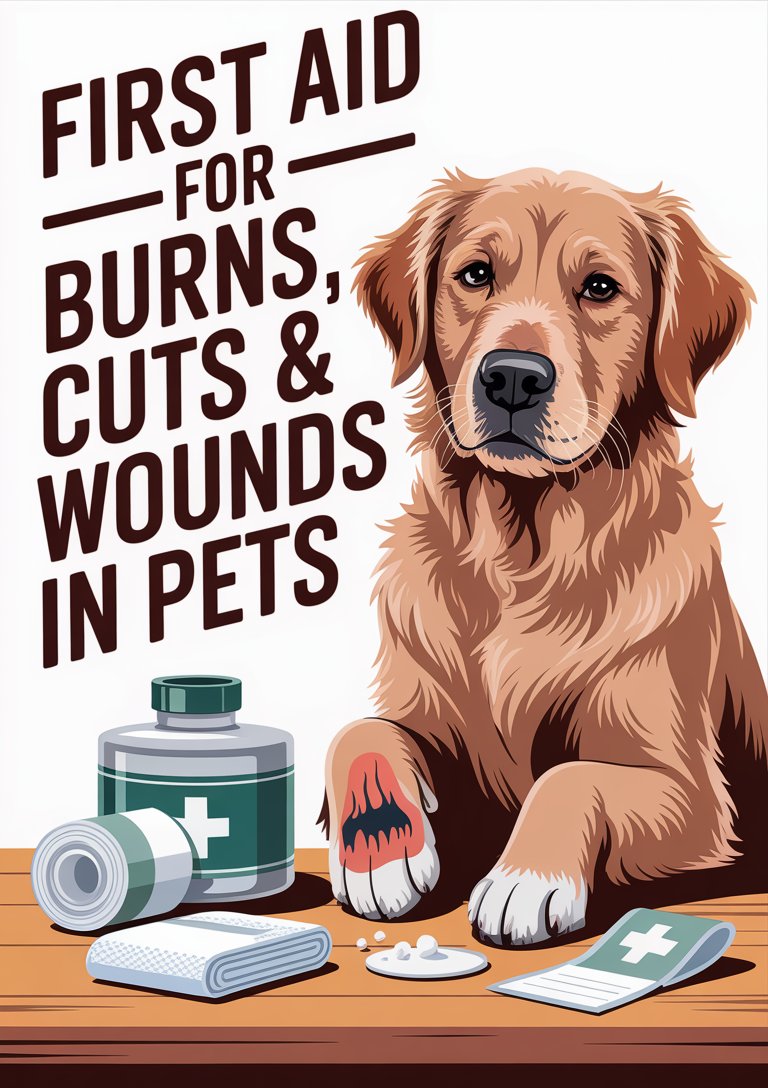
Accidents happen, and it’s worth having bandages, tweezers, and pet-safe antiseptic on hand. If you need a more comprehensive checklist, we’ve got one at pet first aid kit list. Make sure to learn basic first aid, so you can handle cuts or minor injuries until you can get professional care.
You can store these supplies in a waterproof container or a sturdy backpack so they’re easy to grab on short notice. Make sure you label it clearly and place it where it’s easily accessible, like near a front closet or your usual exit path.
Keep Identification Clear
Even the calmest pets can bolt when they’re frightened by loud noises, sirens, or chaotic scenes. The CDC strongly suggests microchipping your pets and keeping your details up to date with the microchip company [1]. Beyond that, make sure they wear collars and tags that include your phone number. If you’ve adopted a new pet recently, or if you’ve moved or changed your number, update those tags right away.
Displaying a rescue sticker on your door or window also helps first responders identify that pets are inside [2]. If you have to evacuate with your pets, a quick tip is to write “EVACUATED” on that sticker, so responders don’t waste time searching.
Create a Pet Evacuation Strategy
When the word “evacuate” pops up in an emergency alert, time is of the essence. Having a clear plan that includes everyone—pets too—can be critical for staying safe.
Practice With Carriers or Crates
If your pet only sees their carrier when it’s vet visit time, you can guess how they’ll react once you try to rush them into it. The folks at Ready.gov suggest making your pet comfortable with the carrier in advance [3]. Try leaving the carrier open around the house, tossing treats inside, or placing a soft blanket in there so it feels like a hideaway.Map Out Evacuation Routes
Have at least two ways to drive out of your neighborhood, if possible. Road closures or traffic jams can happen during emergencies. Store these routes on your phone and keep a paper copy in case your battery dies or cell service fails.Plan for Places to Stay
Some families might have a relative or friend outside the immediate area who can take them in. If that’s not an option, you’ll need to research hotels that allow pets. You could bookmark this information in your phone or jot it on an index card to keep in your kit.Buddy Up With Neighbors
Emergencies don’t always wait for us to be at home. In case something happens when you’re away, set up a simple arrangement with someone you trust. Let them know where your spare key is, and where to find your pets’ carriers. That way, if you’re stuck in a different part of town, your pets can be evacuated in time.
If you want more ideas tailored to on-the-go scenarios, we have a separate guide at pet evacuation planning. It offers tips to make your getaway as smooth as possible when you’re racing the clock.
Consider Large or Exotic Pets
Our furry family members aren’t limited to cats and dogs. Maybe you have horses, goats, reptiles, or birds. The truth is, these companions need a specially tailored approach in emergencies.
Horses, Goats, and Pigs
Ready.gov emphasizes preparing large animals well before a crisis, ensuring they have transport options like trailers and that you’ve arranged a place to shelter them if you must evacuate [3]. If you own multiple large animals, do some test runs loading them into a trailer, so they’re used to the process. Keep extra feed, halters, and identification for each animal on hand.Birds and Reptiles
Exotic pets can be more temperature-sensitive. If the power goes out, their enclosures might drop to unsafe temps quickly. That’s why it’s helpful to keep heat packs or battery-operated warming devices in your emergency kit. You can also incorporate a smaller travel enclosure that’s easy to carry if you need to relocate in a hurry. Check out exotic pet emergency preparedness for more specialized tips.Fish Tanks and Aquatic Life
If you have to evacuate, traveling with a large aquarium may be impractical. But you can keep smaller, battery-powered aerators on hand for short-term solutions. Some owners fill sealed bags with enough tank water to temporarily house fish if time truly allows. This step is more advanced, so be sure to plan with your local aquarium store or veterinarian if you foresee possible hazards like power outages.
The bottom line: advanced planning for every type of creature under your care ensures nobody gets left behind.
Stay on Budget and Prepared
Let’s be real: assembling an emergency kit or preparing for large-scale disasters can feel like an expensive project. But it doesn’t have to break the bank. You can build your plan in small increments:
Spread Out Purchases
Grab non-perishable pet food one week, stock up on extra medication the next. Spacing out purchases helps your wallet breathe a bit easier.DIY Where You Can
Some items can be homemade. For example, you might create DIY pet emergency supplies by repurposing sturdy household containers for storing food or water. For more cost-effective tips, take a look at budget pet emergency preparedness.Watch Out for Sales
Keep an eye on local pet stores or online retailers for deals on carriers, harnesses, or first aid supplies. Over time, you can piece together a robust kit without shelling out big bucks at once.Share With Others
If you have friends or neighbors with pets, consider buying items in bulk and splitting the cost. Group deals or wholesale packs of water bottles, trash bags, or wet wipes can be cheaper per unit.
Even a modest plan is better than none at all. Small steps—like making sure you have spare collars and a few days’ worth of food—can mean a smoother experience if an emergency knocks on your door unexpectedly.
Practice and Update Often
Here’s a thought: even the best emergency plan can gather dust if we don’t test it out from time to time. Think of this like a fire drill. No matter how thoroughly we map out what to do, physically walking through those steps matters.
Do A Mini-Drill
Choose a weekend afternoon to practice. Gather the family, pretend you’ve heard an evacuation alert, and see how quickly and calmly you can round up your pets and supplies. Note any hiccups—maybe you realize you can’t find the cat carrier or you’re missing a leash in your kit—and fix them before a real emergency hits.Check Supply Expiration Dates
Medications and food have a shelf life, so mark your calendar to review them every six months or so. While you’re at it, double-check that the contact info taped to your kit is still accurate.Refresh Training Sessions
Some pets may need helpful commands or an “emergency recall” to return to you quickly when spooked. Make training part of your normal routine. Short, regular sessions can help them stay calm under stress. For advanced guidance, emergency training commands pets might give you extra tips on how to reinforce these behaviors.Tag in Your Veterinarian
Don’t overlook professional help. Vets have a wealth of knowledge about local hazards. Ask them what types of emergencies they see most frequently and whether your pet’s breed or age has specific needs. This can be especially helpful for older pets, which you can learn more about at senior pet emergency preparedness.
A moment of practice here or there might feel like an extra chore. But if the day comes when you need to spring into action, you’ll be thankful you ran these quick drills.
Keep Reviewing and Evolving
Your family pet emergency plan isn’t meant to be written once and shoved in a drawer forever. Over time, things change—new pets join the family, kids grow up and move out, or you might relocate to a different neighborhood with different weather challenges. Cal OES News urges pet owners to update their plan frequently, so it stays relevant [4].
Season-by-Season Threats
Let’s say you’re more likely to encounter wildfires in late summer, but floods could happen in spring. Make small seasonal tweaks. For instance, you might add extra water storage if wildfire smoke is heavy, or put life vests on hand if flooding is a concern. If you want more detailed suggestions tied to the time of year, seasonal pet preparedness calendar might be your next stop.Monitor Your Pet’s Health
Sometimes an older or ill pet might need different medication or additional comfort items. Keep a record of any changes in their health and incorporate those updates into your plan. Even a shift in diet is worth noting.Track Local Updates
Whether you live in a rural area or a bustling city, stay alert to local alerts or official announcements. If there’s an emergency or forecasted weather event, figure out if it triggers updates to your plan. For rural living, see rural pet emergency preparedness for extra tips.Celebrate Small Victories
Whenever you refresh your kits or update contact info, give yourself credit: you’re keeping your pets safer with every tweak. It might seem like a minor chore, but these steps can have a major impact if emergencies come knocking.
Common Challenges and Simple Solutions
In the real world, even the best plan can hit bumps. Let’s address some typical challenges so you can sail through them with minimal stress.
Sheltering in Place
Not every situation calls for evacuation. Sometimes local authorities advise everyone to stay indoors and shelter in place. If that happens:
- Keep Extra Water on Hand
Your taps might not run safely, or water could be shut off entirely. Make sure you have enough water for both you and your pets. - Set Up a Calm Zone
Loud noises or changing weather conditions can make animals anxious. Consider designating a safe, quiet room for your pets, stocked with bedding and maybe a favorite toy or blanket.
Evacuation to a Shelter or Hotel
You might find yourself heading to a community shelter or a hotel. Certain shelters allow pets, but always check ahead of time. Alternatively, you could book a pet-friendly hotel.
- Call Ahead
If you suspect an evacuation is likely, it’s never too early to call and confirm your prospective shelter or hotel can accommodate animals. - Bring Veterinary Records
Some places require proof of vaccinations before letting your pets stay. Keeping these records in your kit saves you from last-minute scrambling.
Behavior Changes After Emergencies
Emergencies can rattle our pets. They might become clingy, skittish, or even defensive.
- Give Them Time to Settle
Keep routines as stable as possible. Feed them at usual times, engage in gentle play, and speak in calming tones. - Stay Vigilant
The American Red Cross warns that startled pets could become aggressive or try to escape [2]. Observe them closely, and don’t let them roam freely until you’re sure the environment is safe.
Multiple Pets, Different Needs
Got more than one animal at home? Multiple pets can amplify the complexity of your plan. That’s why it helps to check out guides like multi-pet emergency preparedness. Each pet might have unique dietary restrictions or medication schedules, so keep separate labeled kits if necessary.
Space Constraints
Living in a small apartment poses unique storage challenges.
- Use Vertical Storage
Slide that emergency kit under a bed or onto a high shelf. Organize smaller items like collapsible bowls, leashes, and medication in stackable, labeled bins. - Buddy System in Apartments
See if you can coordinate with neighbors who can help in case you’re not there. For more ideas suited to compact spaces, pet emergency prep apartments could be worth a look.
Bonus Tip: Customize for Disaster Types
Different regions face different threats—maybe you live where hurricanes are common, or perhaps earthquakes are your biggest worry. Tailoring your plan can help you stay efficient.
- Earthquakes
If you’re in an earthquake-prone area, secure loose objects around the house that could fall and injure pets. Keep carriers in an accessible spot. Check out earthquake pet preparedness for more details. - Hurricanes or Floods
Hurricanes often come with flooding. Store important documents in waterproof bags, and have an exit plan in case waters rise quickly. Flood preparedness pets is a must-read if your area sees frequent floods. - Wildfires
If you’re in a fire zone, keep car carriers ready and your vehicle fueled. Practice loading pets quickly. Learn more about safe routes at wildfire pet evacuation.
The key is staying informed. Sign up for local alerts, keep an eye on weather forecasts, and adapt your family pet emergency plan as you discover new information.
Pulling It All Together: An At-a-Glance Kit Checklist
Sometimes it’s easier to see everything in one place. Below is a quick reference table to help you remember essentials. You can print it out or save it on your phone.
| Category | Items |
|---|---|
| Food & Water | 3-7 days’ supply of food, water bottles, bowls, can opener |
| Identification | Collars/tags, microchip info, recent photos |
| Medications & Health | Prescriptions, vet records, first aid kit, vaccination papers |
| Comfort & Safety | Blanket, toys, leash/harness, muzzle (if needed) |
| Sanitary Needs | Litter, boxes, waste bags, cleaning supplies |
| Containment | Carrier or crate, harness/seat belt for car travel |
| Emergency Contacts | Vet’s phone, animal hospital, local shelters, out-of-town friend |
| Other Essentials | Flashlight, battery-powered radio, extra batteries, rescue stickers |
Update this list based on your pet’s unique situation. If you realize you forgot something—maybe your bird needs a special perch, or your dog needs a coat in cold weather—tweak the table.
Final Thoughts: You’ve Got This
If there’s one parting message to remember, it’s that building a reliable family pet emergency plan is a big gesture of love and responsibility. Yes, it does take some work up front, but those efforts can make all the difference when the unexpected happens. By setting aside supplies, identifying safe places to stay, practicing drills, and staying flexible, you’re creating a safer world for you and your pets.
Please don’t forget to celebrate every small milestone. Maybe today you pick up a few backups of your dog’s favorite food. Next week, you will find a sweet deal on a sturdy pet carrier. Before you know it, you’ll have a full kit that helps your furry friends feel secure, no matter what comes your way. And trust me, they’ll sense your calm confidence during a crisis and take cues from you.
We’re all in this together, supporting each other and our pets through life’s surprises. When disasters strike, you’re not alone—you’ve prepared, and you’re ready. Keep refining your plan, practicing with your household, and showing your pets that you’ll always have their best interests at heart. Because at the end of the day, you’re doing more than packing a bag—you’re ensuring your beloved companions remain safe, comforted, and part of the family, no matter what tomorrow brings. Stay vigilant, friend, and remember: we’ve got this.
References
- (CDC)
- (American Red Cross)
- (Ready.gov)
- (Cal OES News)