Pet Emergency Preparedness: Legal & Insurance Considerations
Ever feel that knot in your stomach when you start thinking about the “what ifs” of pet emergencies? Maybe you’re picturing scenarios where your dog nips a neighbor or your cat knocks over a guest who ends up hurt. It’s scary, right? Trust me, we’ve all been there, worrying about whether something as simple as a playful jump could trigger a legal case or a hefty vet bill. Here’s the thing: pet emergency legal insurance and a strong preparedness plan can make a huge difference. When you’re ready for any curveball, you can give your furry friend the best chance of staying safe—and protect yourself from legal headaches at the same time. Let’s walk this path together, friend, one step at a time.
Plan For Pet Emergencies
So here’s a thought: emergencies rarely happen when it’s convenient. They show up when you’re least expecting them—like in the middle of the night or right before a big work deadline. But having a plan in place gives you something concrete to lean on when panic threatens to set in. It’s like having a lifeline that whispers, “You’ve got this.”
Identify Potential Risks
We’re talking everything from natural disasters to runaway pets or sudden illnesses. Ask yourself:
- Could your area be prone to earthquakes, floods, or hurricanes?
- Does your pet have a history of slipping out the door when it’s left ajar?
- Have you noticed certain health indicators—coughing, vomiting, or anything out of the ordinary—that might spiral into an emergency?
Getting a handle on likely hazards helps you focus your preparation where it matters most.
Stock Essential Supplies
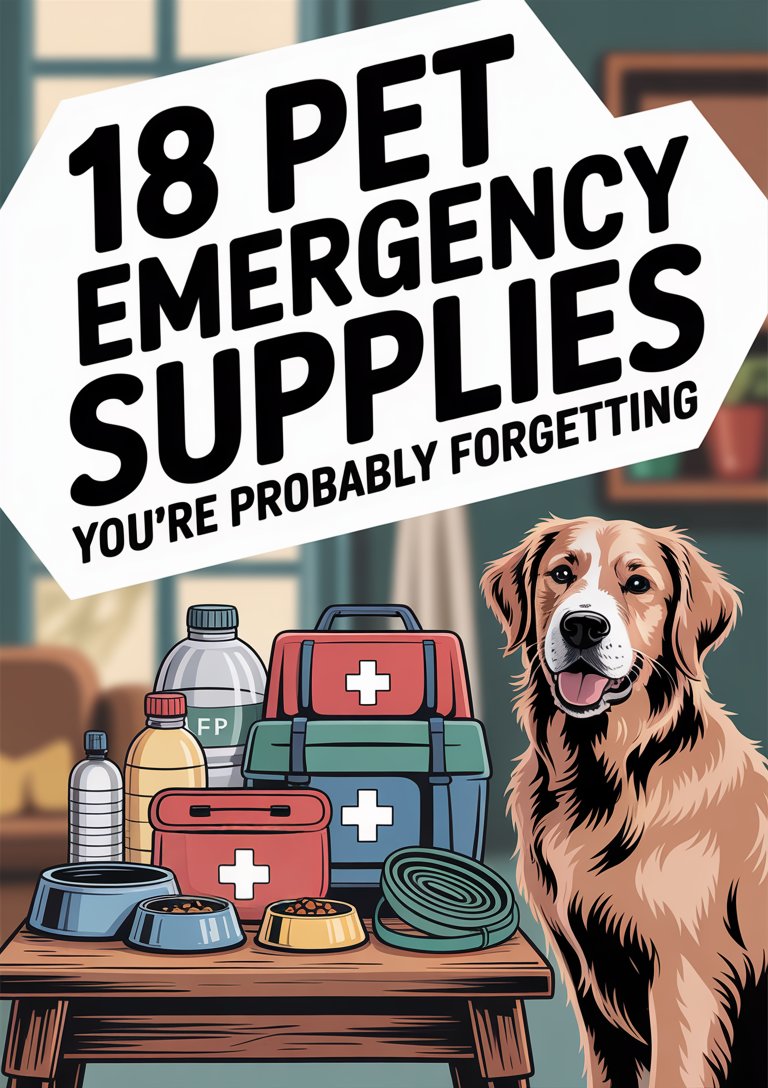
Every well-prepared pet owner should have a stash of basic items. Consider:
- Food and water for at least a few days
- Medications your pet takes regularly
- A first-aid kit (bandages, antiseptic wipes, tweezers)
- A comfortable carrier or crate
For a deeper look at what to pack for different situations, take a look at your pet supplies disaster types. We’re talking about building a kit that’s ready for anything.
Map Out Emergency Contacts
If an emergency hits, you might need immediate care or legal guidance. Keep phone numbers and addresses for:
- Your primary vet
- An after-hours emergency clinic
- Animal poison control hotlines
- A local pet-friendly shelter
And while you’re at it, be sure to store copies of your pet’s medical records, proof of ownership, and any important documents. You can keep them in a safe spot or check out resources like pet emergency documentation for tips on organizing everything in one neat place.
Examine Legal Responsibilities
We’d love to think our beloved pets could never bring us legal trouble. But the reality is, accidents happen—and legal liability often falls on you as the owner. If you’ve ever wondered about that uneasy intersection of pet ownership and the legal system, you’re definitely not alone.
Understand Strict Liability vs. “One-Bite” Rules
Depending on where you live, you might be automatically liable for your pet’s actions, especially if there’s a dog bite involved. In 29 states, dog owners are liable for injuries their pets cause [1]. In 17 states and the District of Columbia, attacks are classified as misdemeanors or felonies. Four states—North Dakota, Mississippi, Kansas, and Arkansas—currently have no specific dog bite laws. That’s a lot to keep track of, right?
The Rising Costs of Pet-Related Injuries
The dollar figures for dog-related injury claims are pretty eye-opening. For example, in 2020, total dog-related injury claims reached $853.7 million, which was a 7.1% increase from the previous year [1]. With injuries ranging from bites to cases where someone gets knocked down by a pup’s wagging excitement, these claims can hit an average of about $50,245 per claim. That’s a steep bill to pay if you don’t have coverage.
Renters vs. Homeowners Coverage
Typically, renters insurance might include $100,000 in liability coverage, while homeowners insurance can range from $100,000 to $300,000. But if you think your pet poses extra risks, or if you want thorough peace of mind, it might be time to look at umbrella policies. For around $150 to $300 a year, you could get $1 million of coverage [1]. That might sound like overkill—but not if it saves you from shelling out tens of thousands of dollars when something goes wrong.
Review Liability Coverage Options
Let’s dig deeper into what “pet emergency legal insurance” really looks like in practice, because coverage can vary so much. The key is understanding which type of policy helps you handle different situations—whether it’s dog bites, property damage, or even legal fees that pop up when you least expect them.
Traditional Liability Insurance
If you own a home, you probably have some liability coverage in your homeowners policy. Renters typically get a similar cushion, but you really want to double-check how much your plan offers and whether it excludes certain breeds. Some insurers limit or deny coverage for specific dog breeds they perceive as “high-risk,” so it pays to ask questions up front.
Umbrella Policies
Umbrella insurance steps in when the coverage on your existing homeowners or renters policy runs out. Think of it as the big safety net you hope you’ll never need. This is particularly helpful if your dog is strong, large, or has had prior incidents. You get higher coverage limits, and in many cases, it’s surprisingly affordable.
Pet-Specific Liability Plans
More specialized liability insurance for pets targets owners who want maximum protection. These standalone policies can offer higher coverage limits than you’d find in a typical homeowners or renters plan. If you’re concerned about potential lawsuits—maybe you have multiple dogs, or your pet is known for being hyperactive—this might bring extra peace of mind.
Consider Pet Health Insurance
So far, we’ve looked at the legal side—what if your pet injures someone else? But let’s flip that around. What if your pet is the one who needs emergency care? We’re talking accidents, poisonings, surgeries, or sudden conditions that come with glaringly high vet bills. It’s another financial curveball you want to be ready for.
The Costs of Emergency Vet Care
Veterinary costs have climbed over 6% in the last year, with emergency visits for dogs averaging $479 [2]. For severe emergencies like bloat, surgery can cost upwards of $5,000, and an MRI can be as high as $3,500 [3]. When you’re juggling medical choices and finances at the same time, it’s honestly overwhelming.
One in Three Pets Needs Emergency Care
By some estimates, about one in three pets will require an emergency vet visit each year [4]. That statistic alone is enough to make you wonder: could that one in three be your beloved cat or dog? If it is, you’ll be glad you prepared.
Pet Insurance Fundamentals
Most pet insurance plans will cover 70%, 80%, or even 90% of eligible costs after your deductible is met [3]. You can choose a deductible anywhere from $0 to $1,000—or more, in some cases. Higher deductibles mean lower monthly premiums, and vice versa. The average monthly cost for accident and illness coverage for dogs sits around $17 to $56, and for cats it’s around $10 to $32, depending on the level of coverage you choose.
Real-Life Success Stories
Sometimes, hearing the facts isn’t as convincing as hearing about a real pup or kitty that got through an emergency thanks to coverage. Take Ralph, for instance—he needed emergency surgery for intussusception that cost over $5,000, and his owner only paid around $100 out of pocket thanks to an active insurance policy [5]. That’s the kind of relief you can’t put a price tag on.
Know Insurance Exclusions
All this talk about coverage can make it sound like your policy pays for literally everything. In reality, every plan has fine print. Understanding exclusions helps ensure you don’t get blindsided when the vet hands you the bill or an attorney sends you legal paperwork.
Breed-Specific Rules
Some insurance companies won’t cover incidents related to breeds they consider “high-risk”—for example, larger dogs or those with a reputation for aggression. It doesn’t necessarily mean you can’t get coverage, but your premium might be higher or the coverage limited. Because every insurer has different rules, it pays to shop around or ask your current provider to clarify.
Pre-Existing Conditions
If your dog already has a history of hip dysplasia or your cat has chronic kidney issues, chances are that any complications stemming from those conditions won’t be covered. Waiting periods can also come into play, where your coverage only kicks in after a certain number of days or weeks of having the policy.
Certain Types of Emergencies or Procedures
Some policies exclude coverage for non-medically necessary procedures—like cosmetic surgeries or grooming—even if you think it might improve your pet’s quality of life. You’d also likely be on your own if your pet gets injured in a scenario that’s explicitly deemed high-risk by your policy. For specifics, be sure to scan your contract from top to bottom or ask your insurance agent to pinpoint the details.
Prepare Documentation And Contacts
Let’s talk about the practical side of being ready for an emergency, whether it’s legal or medical. Having the correct info on hand means you can swing into action without digging around for paperwork when every minute feels crucial.
Organize Important Documents
Here’s what you’ll want at your fingertips:
- Vaccination records
- Proof of ownership (microchip registrations, adoption papers)
- Insurance policies (liability and pet health)
- Copies of your pet’s medical history
If you need guidance on how to set up a foolproof filing system, pet emergency documentation has a bunch of tips you might find handy.
Establish a Network
When crisis strikes, leaning on supportive friends, family, or neighbors can be a huge asset. Aim to set up a network of pet-friendly people who could step in if you’re traveling or tied up. If you’re worried about how to coordinate that, swing by pet owner networking emergency. One or two supportive people can make an enormous difference in your pet’s life.
Keep Your Vet and Legal Contacts Handy
Jot down your vet’s emergency number, your lawyer’s contact (if you have one), and even local animal shelters that may provide short-term boarding in a pinch. Post these in a visible spot—like on your fridge—or store them in your phone for quick access.
Secure Your Pet’s Safety
We’re in this together, so let’s talk about some clear steps you can take to keep your pet protected if life throws you a curveball. Legal coverage and health insurance are crucial, but there’s more to the story when it comes to day-to-day safety, emotional support, and disaster planning.
Mind Your Pet’s Behavior
Pets can develop behavioral issues when they’re anxious, scared, or not feeling well. Understanding their temperament and triggers is a surefire way to reduce the likelihood of bites or accidents. Check out pet behavior emergencies if you suspect your pet’s stress or aggression might become a bigger problem.
Calm Anxious Pets
Some animals get extra jittery during storms, fireworks, or changes to their routine. If your pet could use extra soothing, or you’re bracing for a potential natural disaster, calming anxious pets emergency offers practical advice. Simple changes—like creating a quiet nook or using a weighted blanket—can help a stressed pet stay relaxed.
Set Up an Emergency Shelter
If you need to shelter in place or relocate temporarily, having a dedicated area where your pet can stay safe and comfortable is a game-changer. Basics include a crate, bedding, and a few toys—plus easy access to food and water. For more information, visit pet emergency shelter setup. Having a “go-to” corner or a prearranged spare room can reduce chaos when time is precious.
Consider Rescue Pet Challenges
If you have a rescued animal, you might face additional hurdles. Past trauma may make them skittish or reactive. It’s critical to address these concerns head-on and build resilience for stressful situations. Rescue pet emergency resilience digs into how to manage your rescue’s emotional and physical well-being during crises.
A Quick Look at Typical Emergency Costs
To get a sense of just how high those vet or legal bills can climb, here’s a simple table. It’s not meant to scare you—but let’s be real, it’s better to face the facts now than get blindsided later.
| Emergency Scenario | Potential Cost Range | Coverage Possibilities |
|---|---|---|
| Dog Bites/Legal Claim | $10,000 – $50,000+ (liability) | Homeowners/Renters Liability, Umbrella, Pet Liability Policy |
| Foreign Object Ingestion | $600 – $3,000+ (vet care) | Pet Health Insurance (70%-90% coverage after deductible) |
| Emergency Surgery (Bloat) | $2,000 – $10,000+ | Pet Health Insurance, possibly up to 90% reimbursed [3] |
| MRI/Advanced Diagnostics | $2,500 – $3,500 | Pet Health Insurance (coverage depends on your plan) |
| Property Damage Lawsuit | $5,000 – $100,000+ | Homeowners/Renters, Umbrella, or Pet Liability Insurance |
Actual costs can vary by location, your pet’s health, and the complexity of treatment or legal issues. But seeing these figures laid out can reinforce why it’s so important to have a game plan.
Wrap Up And Reassurance
When it comes to pet emergency legal insurance and overall preparedness, it’s not about living in fear or constantly checking every corner for potential disasters. Think of it like you’re packing an umbrella when the clouds look gray—you might not need it, but you’ll be awfully thankful if spikes of rain start pouring down.
Are you going to have days where pet prep just feels overwhelming? Absolutely. We all do. But the goal here is progress, not perfection. By gradually building a safety net—picking up an insurance policy, organizing your important documents, drawing on a neighbor’s help if things get chaotic—you’re setting yourself and your pet up for success. Even if something scary crops up, you’ll move forward with the confidence that you have resources and a plan to lean on.
Keep at it, and remember that every small step builds on the last. Adjust as life changes—like if you move to a new home, or add another adorable pet to your family. If you want a refresher on how to adjust your plans during transitions, check out pet emergency prep life transitions. We’re all in this together, taking on life’s sharp turns one balanced step at a time.
So let’s stay prepared, stay grounded, and most importantly, stay hopeful. You’ve come this far, and you’re doing great. Your furry friends are lucky to have a caring owner who’s ready for anything—and as you face the unexpected, trust that you’re not alone. We’ve all been there, and we’ll tackle this journey side by side. From our shared experiences to yours: keep that umbrella in your back pocket, stay informed, and know that a well-prepared plan today can make all the difference tomorrow. You’ve got this!