How to Calm Anxious Pets During Emergency Situations
Have you ever found yourself worrying about how to handle calming anxious pets emergency situations?
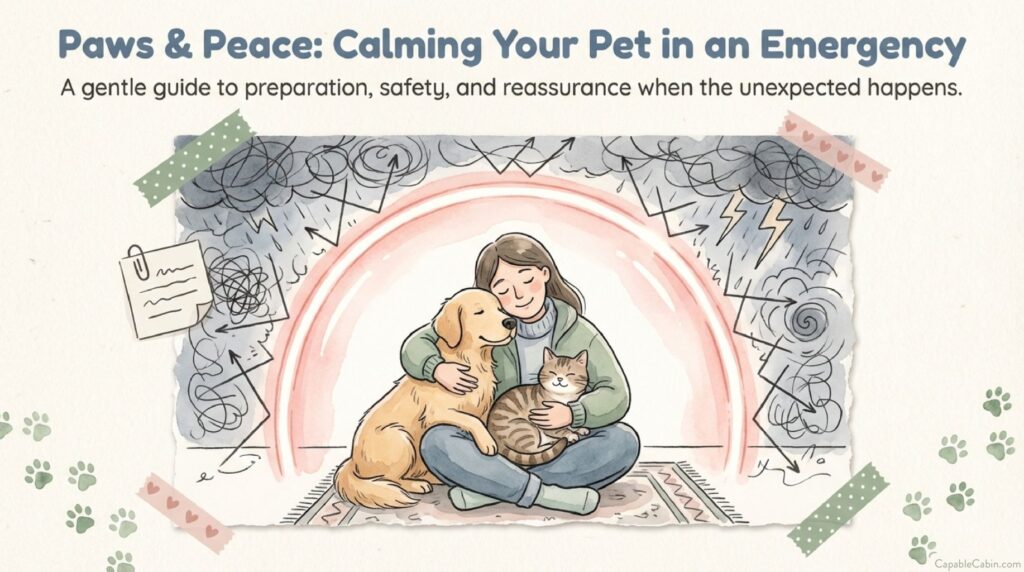
If so, trust me, you’re not alone. We’re living in a time when natural disasters, unexpected evacuations, and sudden life changes can happen without warning. It’s only natural to feel overwhelmed about your furry friend’s well-being in all that chaos. Take heart: there are concrete steps you can take to keep your pet calm, safe, and by your side.
Let’s look at specific ways to approach their anxiety, set up a pet-friendly emergency plan, and maintain everyone’s peace of mind.
Recognize Pet Anxiety Symptoms
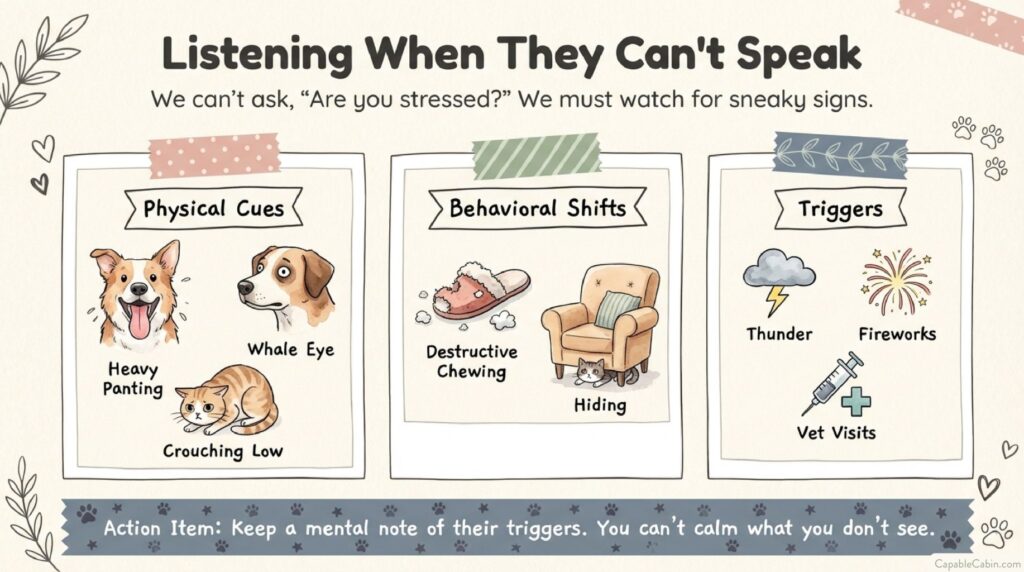
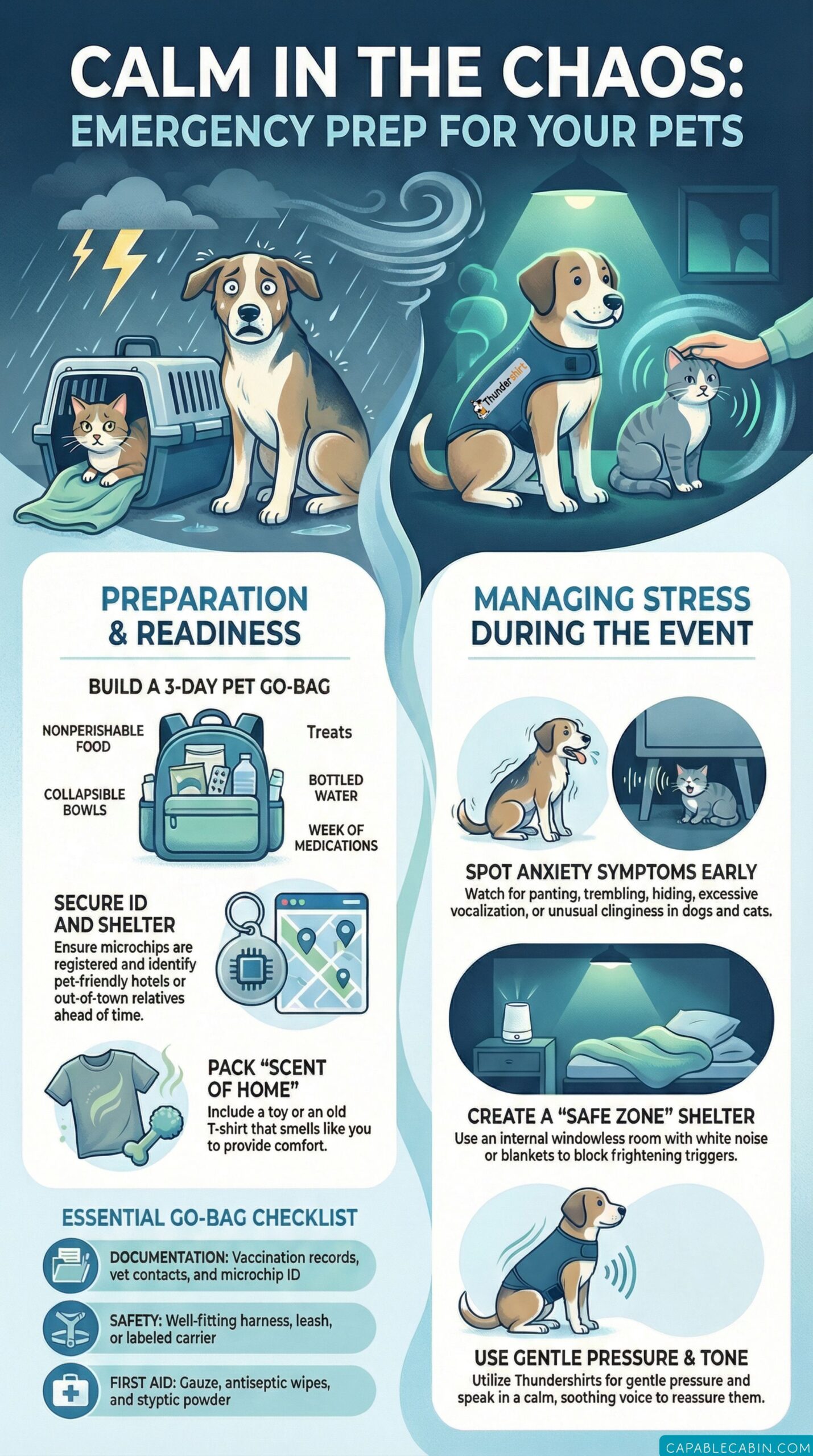
Before jumping into any emergency plan, it helps to spot those sneaky signs of pet anxiety early. We can’t ask our dogs or cats, “Hey buddy, are you feeling stressed?” But we can watch closely for the clues they show us.
- Physical cues: Panting, trembling, pacing, restlessness, or changes in posture can mean your pet feels unsettled. Dogs might whine or bark more than usual, while cats could hide in corners or crouch in defensive positions.
- Behavioral shifts: Destruction of items, excessive vocalization, soiling in unusual spots, or clinginess often indicates your pet is scared or unsure. Some pets even stop eating or withdraw from normal social activities.
- Specific triggers: Thunderstorms, fireworks, trips to the vet, and changes in routine can all trigger a spike in stress. According to PetMD, dogs thrive on predictability, so abrupt changes can throw them off.
Recognizing these signs is your first step toward figuring out how best to support your pet. After all, you can’t calm anxiety you don’t see coming. Use simple observant tactics: keep a small mental or written note of when your pet seems on edge. That awareness will guide you as we move forward.

Prepare an Emergency Plan
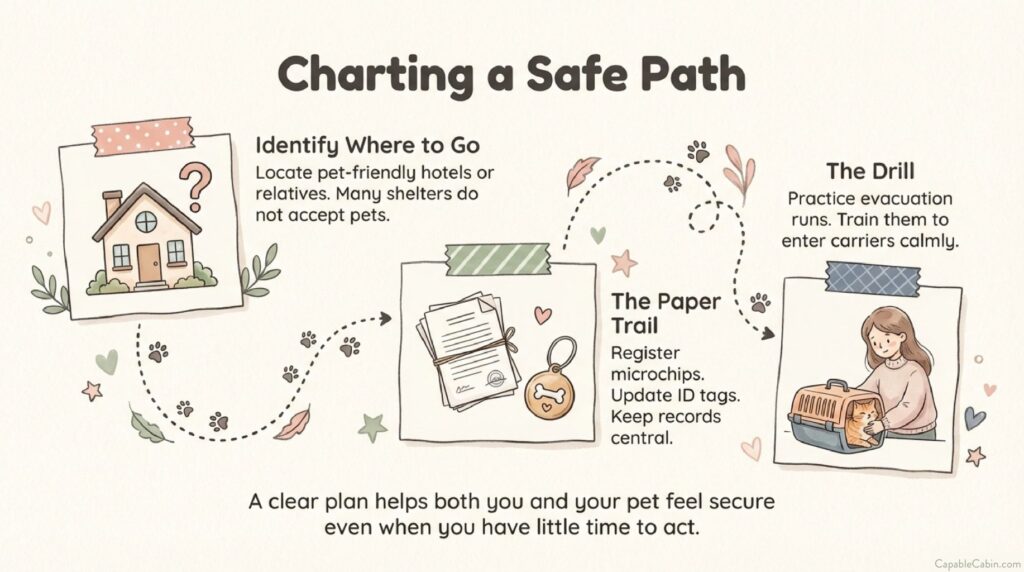
Once you know what your pet’s anxiety might look like, the next big step is drafting an emergency plan. Emergencies come in all forms: hurricanes, earthquakes, tornadoes, floods, house fires, or prolonged power outages. Even when you have little time to act, a clear plan helps both you and your pet feel more secure.
- Identify where to go: The CDC notes that many disaster evacuation centers don’t accept pets, so you can’t assume your furry companion will be welcomed everywhere. That’s why you’ll want to look up pet-friendly hotels or out-of-town friends and relatives who can commit to giving your pet safe housing.
- Update ID details: Make sure your pet has current tags and is microchipped. Register that microchip so it’s easy to reunite if the worst happens, like you get separated during an evacuation. Keep the registration info in one spot for quick access. You can learn more about organizing vital documents in our pet emergency documentation resource.
- Practice evacuation drills: It may feel strange, but doing a quick run-through helps you anticipate how your pet handles sudden changes. Train them to willingly enter their carrier or leash up calmly. The CDC recommends keeping a leash and carrier near your exit to speed things up when every second counts.
All these steps aim to reduce the unknown factors that make your pet uneasy. When there’s a roadmap for both of you, it’s easier to communicate, comfort one another, and keep moving confidently.
Build a Pet Go-Bag
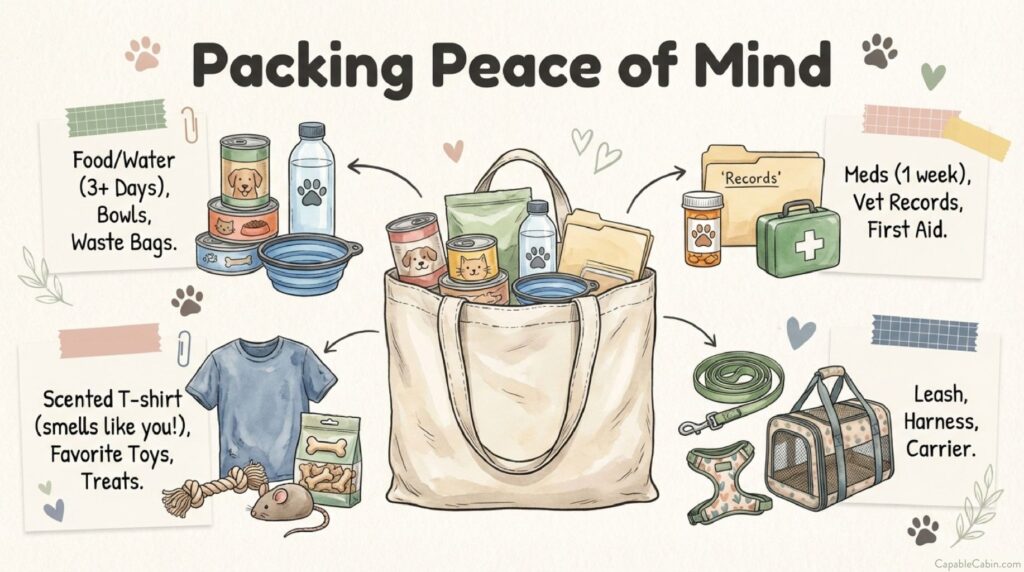
Now let’s chat about one of the most practical parts of emergency planning: a pet emergency kit, often called a “go-bag.” Having a kit ready isn’t just for your peace of mind; it also helps soothe your furry friend. We all feel better knowing we have our essentials on hand.
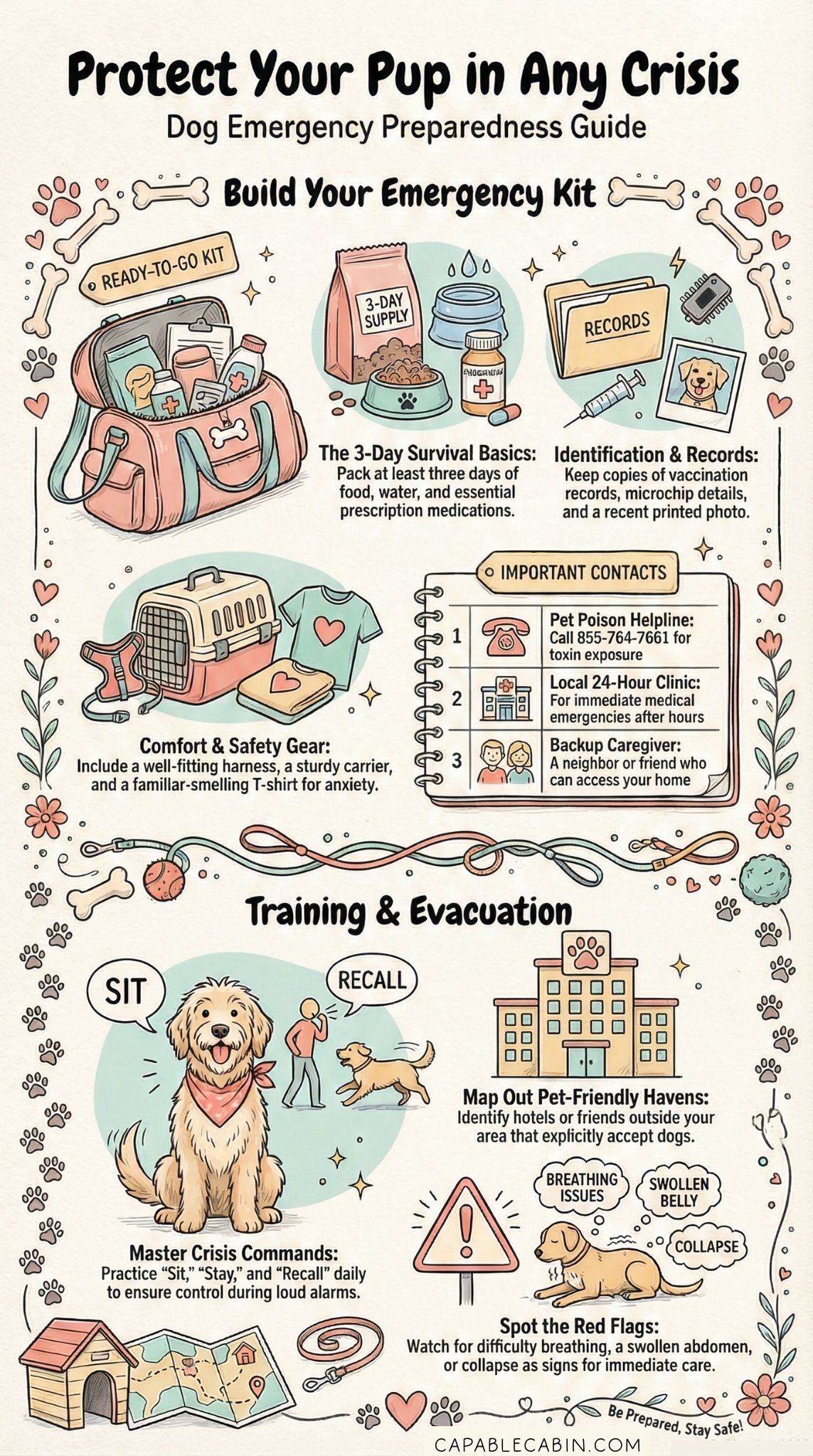
Below is a quick list of items you want to include (adapt as needed for dogs, cats, or other small animals):
- Food and Water
- Several days’ worth of nonperishable pet food
- Collapsible food and water bowls
- Enough bottled water for a minimum of three days
- Medications and Medical Records
- A week’s supply of any prescription meds
- Vet contact info, vaccination records, plus microchip details
- Copies of insurance papers (read more at pet emergency legal insurance)
- Comfort Items
- Familiar toys or blankets
- An old T-shirt that smells like you, as your scent is calming
- Treats to reward good behavior during stressful changes
- Leash, Harness, or Carrier
- Make sure it fits well and is labeled with your contact info
- Practice getting your pet used to these items in non-emergency times
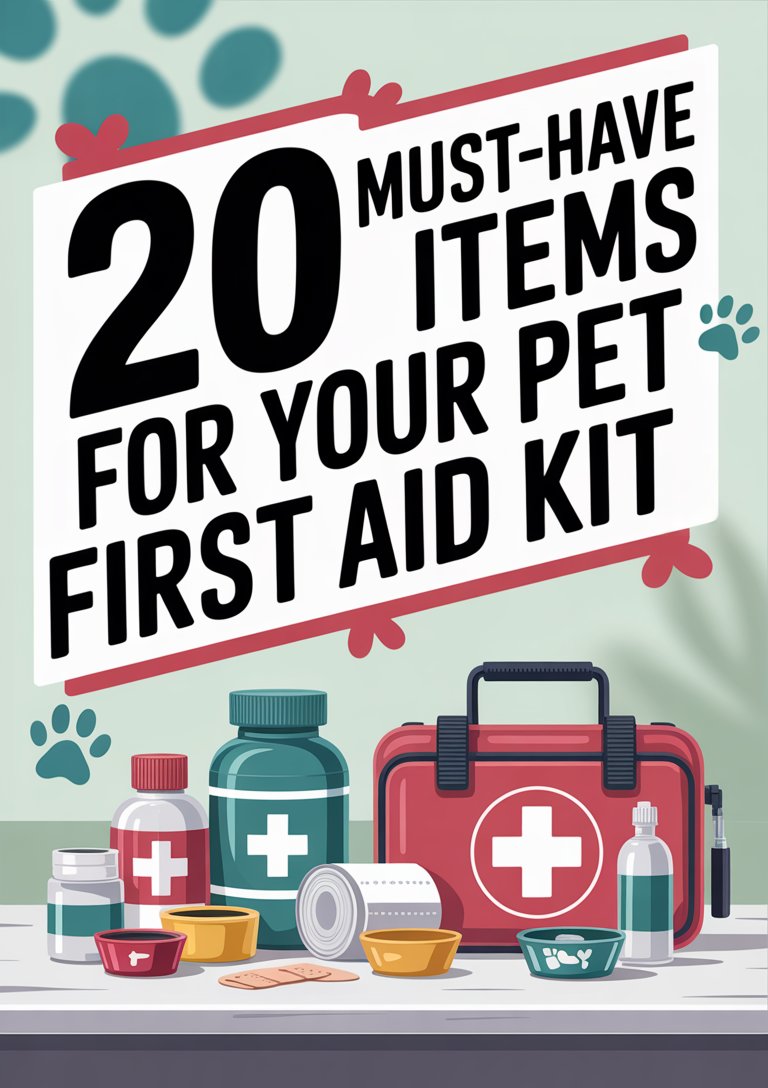
- Basic First Aid Supplies
- Gauze, bandages, antiseptic wipes, tweezers
- Styptic powder (for minor bleeding)
- Any specialized items for your pet’s needs
- Cleanup Tools
- Waste bags or litter and a small litter box for cats
- Paper towels or disposable cloths for quick wipe-downs
The CDC emphasizes that each pet’s kit should be tailored. For instance, fish or reptiles need different supplies than dogs or cats. If your pet has special dietary requirements, be sure to pack enough so you’re not scrambling in uncharted territory. Having these basics ready keeps your pet’s routine somewhat stable, which is crucial to easing anxiety.
Ensure a Safe Shelter
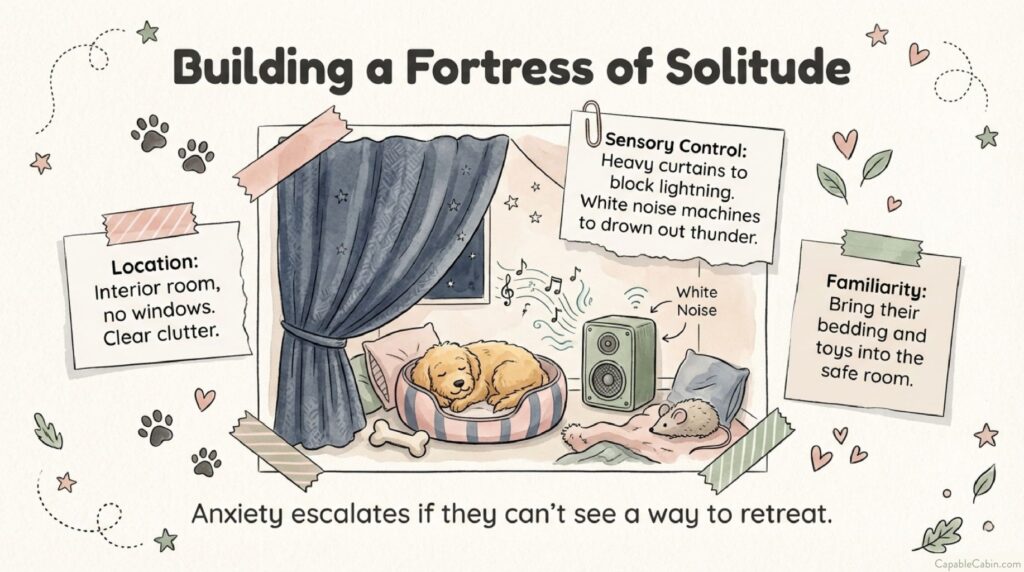
Finding or creating a pet-safe shelter space can make a massive difference when emergency sirens start blaring or storms rage outside. Anxiety in pets often escalates if they can’t see a way to retreat to safety.
- Pick the right spot: Choose an internal room without windows if you expect severe weather. Clear away clutter, chemicals, or breakables that might injure your pet if they start darting around. The CDC suggests removing potential hazards and securing small openings where a scared cat could hide.
- Block out frightening sights and sounds: Heavy curtains, crate covers, or even thick blankets can reduce visual triggers like lightning. At times, music therapy or white noise machines can help drown out thunder or howling winds, according to PetMD.
- Make it familiar: Bring in bedding items and a favorite toy or two. If you’re on the move and can’t set up at home, try to replicate that familiarity in a new shelter spot. Our pet emergency shelter setup guide explains more ways to create a comforting environment wherever you are.
Taking a proactive approach to your shelter space helps your pet anchor to something they recognize. When the environment feels friendly to them, they’re less likely to enter panic mode.
Calm Pets During Evacuations
Need to evacuate in a hurry? That’s where prior planning can shine. But even the best plan can’t always erase your pet’s fear. So let’s think about ways to keep them calmer on the road or in temporary housing.
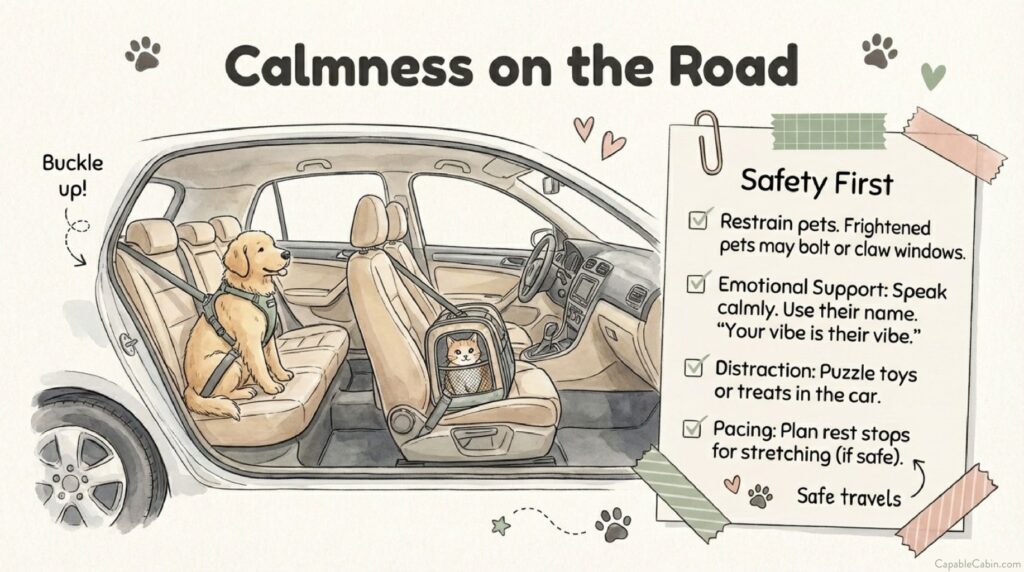
- Offer reassurance: Just like children feel safer when we talk them through what’s happening, our pets pick up on our vibes. Speak calmly and use their name in a soothing tone. A gentle rub behind the ears or a few quiet words of praise can go a long way in reassuring them that all is (relatively) okay.
- Protect them physically: Use harnesses or carriers, even if you normally let your pet roam freely in the car. A frightened animal could jump out of an open window or dash into oncoming traffic. According to Midtown Magazine, anxious pets sometimes injure themselves by trying to claw through doors or windows.
- Bring distractions: If you can, pack treats or a puzzle toy to keep your pet’s mind engaged. This might seem like a small thing, but focusing on a task can distract the brain from panic.
- Set up rest stops: If you’re driving for a few hours, plan to stop so your dog can stretch and sniff around. It’s natural for pets to feel cooped up and claustrophobic, which only increases anxiety.
Remember, your calm presence can make all the difference. If you’re on edge or rushing around in a panic, your pet will sense it. Take deep breaths together and keep moving forward, one step at a time.
Help Pets Through Storm Anxiety
Storm anxiety is one of the most common triggers for both dogs and cats. Thunderstorms can be loud, dramatic, and extremely unsettling for a pet who doesn’t understand what’s happening. Here’s how to ease their worries:
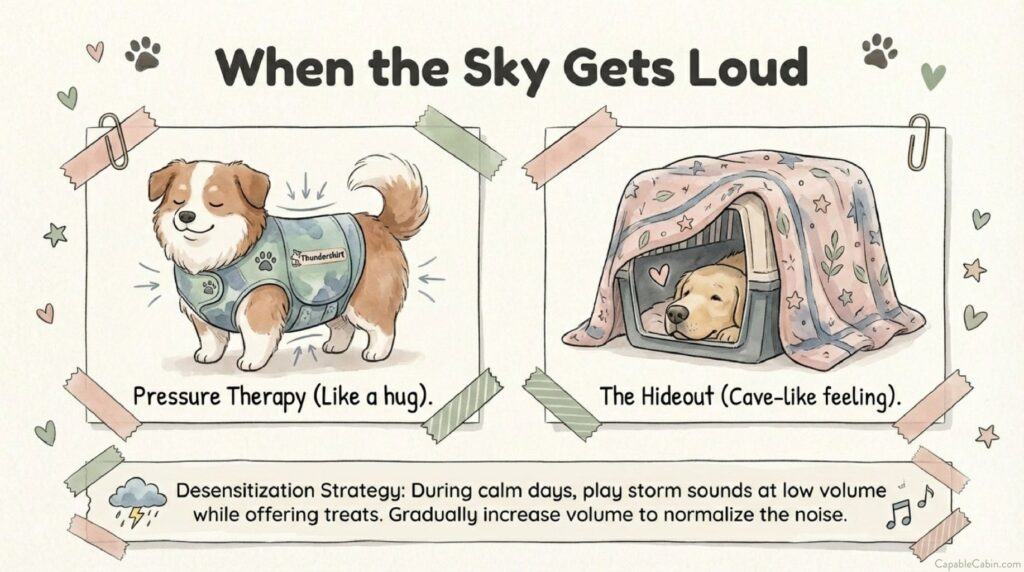
- Provide a hideout: A crate lined with soft blankets, plus a cover to dampen light flashes, can be your best friend. Many vets recommend specialized crate covers that block lightning, allowing your pet to burrow into a reassuring nook.
- Try a pressure wrap: Thundershirts (or similar garments) apply gentle pressure around the torso, which can soothe an anxious dog. According to PetMD, these wraps mimic a light hug and are especially helpful during storms, fireworks, or sudden loud noises.
- Work on desensitization: During calmer weather, play recorded thunder sounds at a low volume while offering treats and gentle praise. Over time, gradually increase the volume. This process teaches your pet that thunder isn’t a big threat, reducing the severity of real-storm freak-outs.
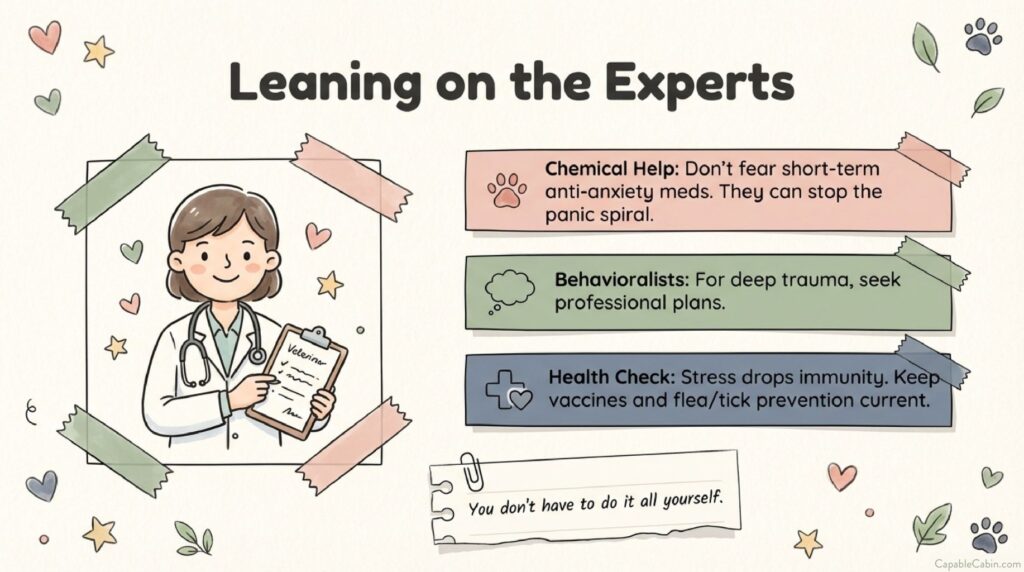
- Support them with early intervention: If you already know your pet goes into panic mode at the first hint of thunder, talk with your veterinarian about potential short-term anti-anxiety medications or supplements. Experts quoted in Midtown Magazine suggest that early medication can stop a severe spiral before it starts.
Finally, stay positive. It’s tough watching your pet suffer, but your reassuring tone lets them know you’re standing by them. Over time, they’ll learn that storms, while annoying, aren’t the end of the world.
Offer Gentle Training and Assurance
It’s easy to overlook training as a tool to manage anxiety, but every bit of structure you give your pet boosts their resilience. When you address stress-related behaviors with patience, pets often adapt better to unexpected events.
Build Trust Through Routine
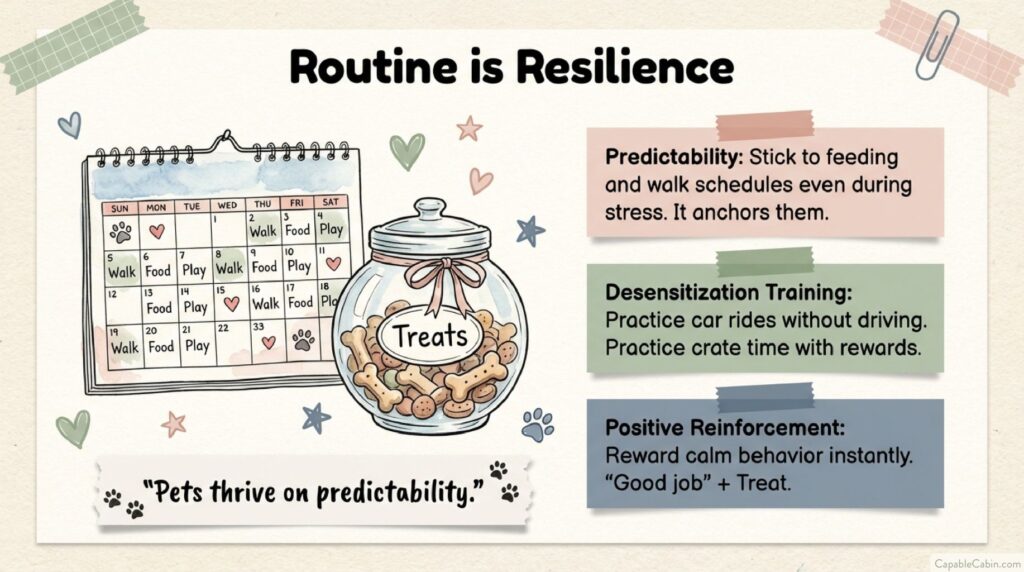
Daily routines might sound boring, but they’re an antidote to nervousness. Your pet craves predictability, and a consistent schedule for feeding, exercise, and bedtime can work wonders. If you know a move or big life shift is coming, check out pet emergency prep life transitions to get ahead of potential disruption.
Practice Anxiety-Reducing Exercises
- Desensitize gradually: For instance, if your dog is fearful of car rides, start by coaxing them into the parked vehicle with treats and praise. Next time, turn on the engine but don’t drive anywhere. A few sessions later, drive around the block. Small steps build trust without overwhelming them.
- Use positive reinforcement: Reward calm behavior with treats or gentle words. If your cat remains relaxed when you open the carrier door, hand over a small piece of kibble and say, “Good job!”. Over time, they’ll associate the experience with a positive outcome.
- Seek professional help if needed: Sometimes, home strategies don’t cut it, especially for deeper fears or trauma. A veterinary behaviorist can design a plan that combines training, environment adjustments, and possibly medication. If your pet’s anxiety has become a behavioral crisis, see pet behavior emergencies.
Remember, consistency is key. The aim is for your pet to see you as a steady, comforting presence. Because when they trust you deeply, even an emergency scenario won’t rattle them as much.
Lean on Veterinary Support
Veterinary professionals play an enormous role in helping you manage your pet’s mental health. They’re not only trained to treat medical issues, but also to recognize anxiety triggers and advise on potential therapies. Even in worst-case scenarios, your veterinarian can make suggestions to safeguard your pet’s well-being.
- Behavioral support: According to Palm City Animal Clinic, many anxious pets act out with excessive barking, destructive chewing, or even aggression. Vets can guide you on specialized training strategies or recommend a veterinary behaviorist if needed.
- Medication options: Sometimes short-term medication is invaluable while you retrain or desensitize a pet, as Santa Monica Veterinary Group notes. This can ease the intense reactions enough for your pet to be more receptive to positive exercises.
- Grooming and Husbandry: If your pet’s anxiety is tied to being touched or handled (like nail trims or ear cleaning), your veterinarian can advise on techniques to gently desensitize them. Proper grooming is especially important during emergencies, when stress can make animals more prone to fleas, ticks, or poor coat health.
- Weight and Nutrition Guidance: Stress can lead to overeating or a refusal to eat at all. Over half of U.S. pets are overweight, says Palm City Animal Clinic. Consulting with your vet on a suitable diet, especially during stressful periods, helps maintain stable well-being.
Don’t wait for panic to set in before you reach out. By building a relationship with a vet who understands your pet personally, you’ll have a reliable ally in emergencies. Even simple calls or emails to check a concern can steer you in a calmer direction.
Nurture a Pet Community Network
We often forget that in an emergency, the people around us can be your pet’s lifesaver. Building a network of neighbors, friends, or fellow pet owners means someone can step in if you’re suddenly unable to tend to your pet.
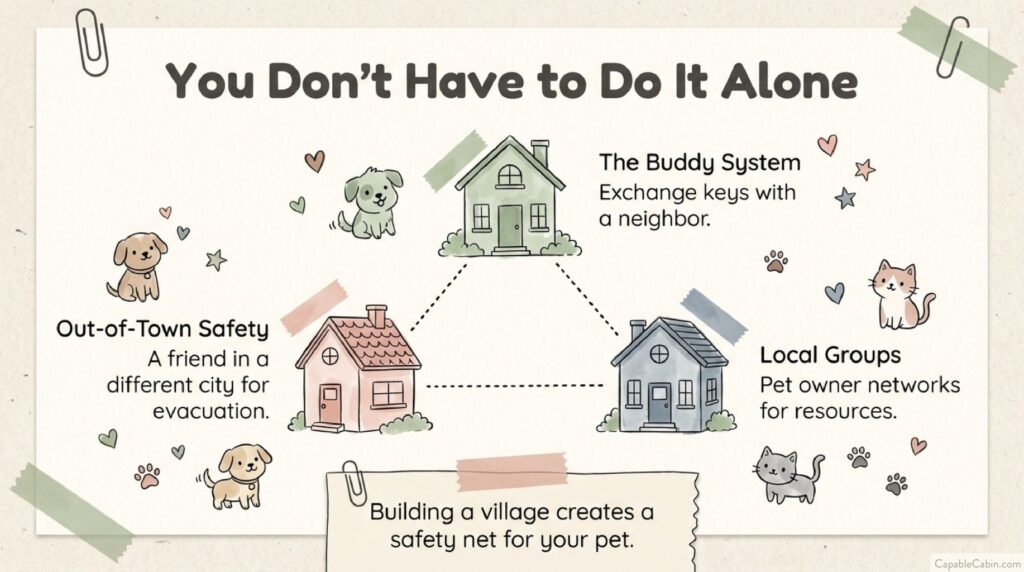
- Pet sitter or neighbor: Plan a mutual support arrangement. For instance, “If I’m on vacation when a disaster strikes, would you take my dog?” or “If you can’t drive home in a snowstorm, I’d be happy to check on your cat.” For more ideas, browse pet owner networking emergency.
- Local pet groups: Joining community or online pet enthusiast groups can help you learn from others’ experiences. People often share local resources or recommendations for pet-friendly shelters. Lean on them for moral support and tips—chances are, someone has gone through something similar.
- Family and friends outside your area: Reaching out beyond your immediate city or state can be crucial. If you need to evacuate and local shelters won’t take pets, a relative living farther away might be the solution.
This community-driven approach not only boosts your readiness, but it also helps your pet stay calmer by maintaining stable routines or familiar faces. Emergencies are scary enough. Knowing you’re not alone can keep anxious feelings at bay for both of you.
Address Trauma in Rescue Pets
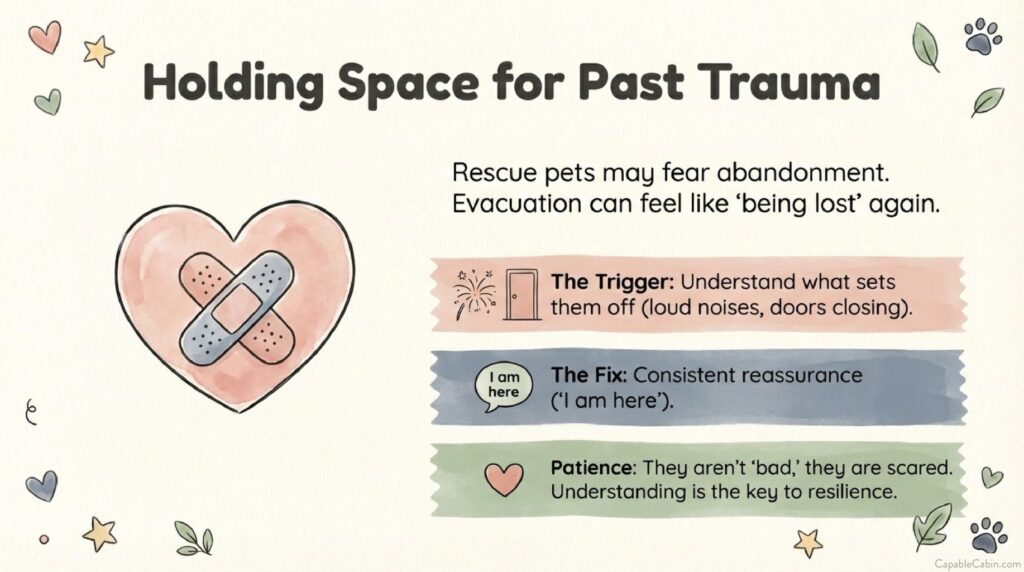
If you have a rescue, you may already have noticed your pet carries emotional baggage from previous experiences. Past neglect or separation often leads to heightened anxiety in stressful situations. According to Night Watch Elite Animal Emergency, pets who’ve been lost or abandoned may be on higher alert, fearing it could happen again.
- Understand triggers: Does your pet tremble when you shut a door? Do thunderstorms spark their worst behaviors? Recognizing what sets them off is a crucial piece. This is exactly what rescue pet emergency resilience focuses on.
- Offer consistent reassurance: Frequent check-ins, hugs if they enjoy closeness, and positive training sessions teach your pet that you’re not going anywhere. Over time, this builds a sense of emotional safety.
- Consider professional therapy: Veterinary behaviorists specialize in unraveling the root causes of stress. They can recommend gradual exposure and other therapeutic techniques. Sometimes medication helps break the cycle of trauma, paving the way for new habits.
It might feel overwhelming at first, but remember: your rescue pet has come a long way already. Every day you show them gentle care, you’re boosting their capacity to cope when an emergency does arise.
Use Environmental Enrichment
An engaged mind is a calmer mind. Pets who get regular exercise, mental stimulation, and social interaction often handle curveballs with more grace.
Enrichment Activities
- Puzzle feeders: These provide a challenge that keeps your pet’s brain busy, reducing the time they have to worry or feel anxious.
- Interactive play: Games like fetch, tug-of-war, or laser-chasing sessions burn excess energy and help them sleep more soundly.
- Quiet, safe zones: Even in normal conditions, your pet might need a calm corner to nap or play with toys. Later, that space can serve as a fallback when unexpected storms or sirens occur.
Scheduling Matters
- Consistent play sessions: Pick a regular time each day for fun, whether it’s a quick 10-minute session or a long walk. Routine fosters a sense of security.
- Balanced meal and rest schedules: As PetMD points out, dogs love structure. The more predictability they get on regular days, the easier it is for them to adapt when your schedule shifts.
When big emergencies arise, these baseline routines act like mental anchors for your pet. They remind your furry companion that life has a rhythm and that not everything’s going haywire at once.
Plan for Different Disaster Types
Not all disasters are alike: a hurricane might require evacuation, while a blizzard could force you to shelter in place. Each scenario presents unique challenges to your pet’s nerves. It’s wise to tailor your readiness to the probable disasters in your region.
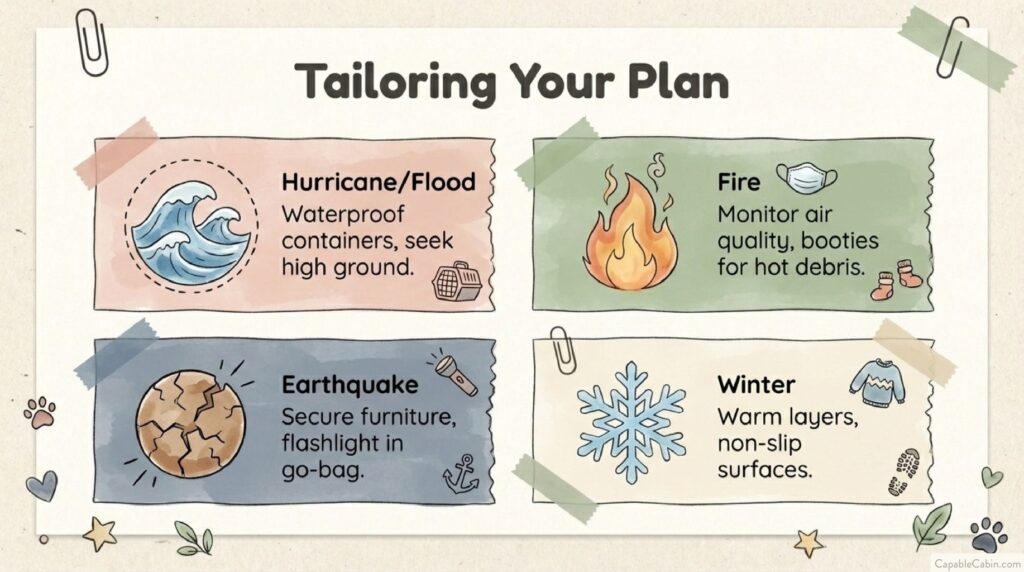
- Hurricanes and flooding: Stock up on water, keep waterproof containers for food, and plan multiple evacuation routes.
- Wildfires: Stay informed of air quality, keep carriers ready by the door, and have protective gear like pet-safe booties if you’re in a region with hot ground surfaces or debris.
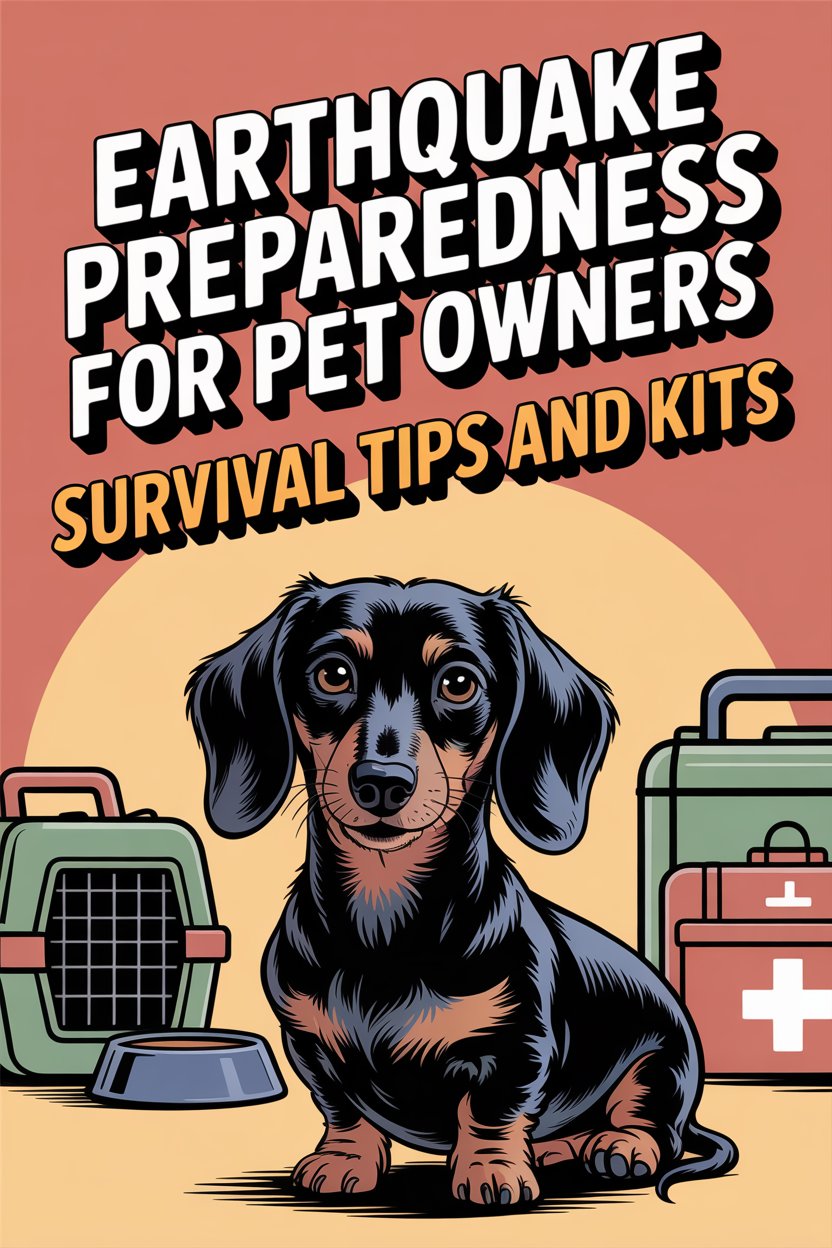
- Earthquakes: Secure tall furniture to prevent toppling, and stash a flashlight in your pet’s go-bag for quick searches under rubble if your pet hides.
- Tornadoes: Identify a windowless interior room or basement as a safe zone.
- Winter storms: Have warm blankets, layering options, and non-slippery surfaces to prevent your pet from skidding on ice.
If you’re not sure how to customize your pet’s kit for a specific disaster, check out pet supplies disaster types. Even small tweaks, like adding protective booties in wildfire-prone areas, can make a big difference to your pet’s comfort and safety.
Keep Health and Hygiene in Mind
Emergencies can spread diseases if you’re forced into close quarters with many displaced animals, or if your pet roams in unfamiliar territory. The CDC warns that illnesses like Leptospirosis or rabies may be contracted from contaminated water or wildlife encounters.
- Keep up-to-date on vaccines: An up-to-date vaccination record ensures your pet is protected against common diseases, and it’s often required for boarding facilities or temporary shelters.
- Flea, tick, and heartworm preventives: Pests flourish in warm, damp conditions, and an anxious pet might scratch or lick areas raw, making them more susceptible to infection.
- Regular handwashing: After handling your pet or possible contaminated surfaces, wash your hands thoroughly. This also protects you from zoonotic diseases (illnesses that transmit between animals and humans).
- Monitor behavior: A stressed pet might be more prone to nipping, especially if they encounter unfamiliar animals. Be vigilant and use leashes or carriers to keep everyone safe.
Sometimes emergencies disrupt your usual routines—so create a checklist to ensure you have everything you need for health and hygiene, even when you’re on the go. A little foresight can save you from bigger problems down the line.
Know When to Seek Professional Behavior Help
Not all anxiety can be managed with at-home tricks. If your pet regularly destroys household items, cowers for hours, or refuses to eat in stressful times, it may be time to enlist a professional. The Santa Monica Veterinary Group highlights that untreated anxiety can evolve into serious behavioral or health issues over time.
- Veterinary behaviorists: These experts use scientific methods to assess your pet’s unique quirks and design a detailed program.
- Trainers with emergency experience: Some trainers specialize in preparing pets for high-stress events, like traveling, boarding, or loud noises.
- Medication or supplements: Short-term prescriptions break the cycle of panic. Over time, your pet can transition off them if the root issues are addressed effectively.
- Continuous support: Multiple sessions might be needed. A one-and-done approach can miss the underlying cause or fail to account for your pet’s changing needs.
Pets with severe anxiety aren’t “bad” or “broken.” They just need more specialized attention, and seeking help is a loving step, especially before a crisis hits.
Strengthen Your Bond Daily
Our pets read our moods constantly. The calmer and more prepared we are, the more secure they’ll feel—even when sirens wail or a storm looms.
Simple Bond-Boosters
- Share low-key moments: Sometimes just watching a show with your pup curled up at your feet can do wonders.
- Gentle massages: Many dogs and cats love gentle rubs and scritches, which help them release tension.
- Eye contact: If your pet feels safe with it, calm, soft eye contact can reassure them of your presence.
Practice Mindful Interaction
- Speak tenderly during meltdown moments: Harsh scolding can exacerbate anxiety. Instead, say, “I’m here, we’re okay,” in a gentle, confident tone.
- Praise even small successes: Did your dog stop trembling for a few minutes? Hand out that treat. Did your cat eat a meal when the weather turned ominous? Good job, kitty!
These small acts strengthen the trust between you, so when bigger storms roll in—literally or figuratively—your pet knows they can look to you for comfort and guidance.
Stay Ready and Confident
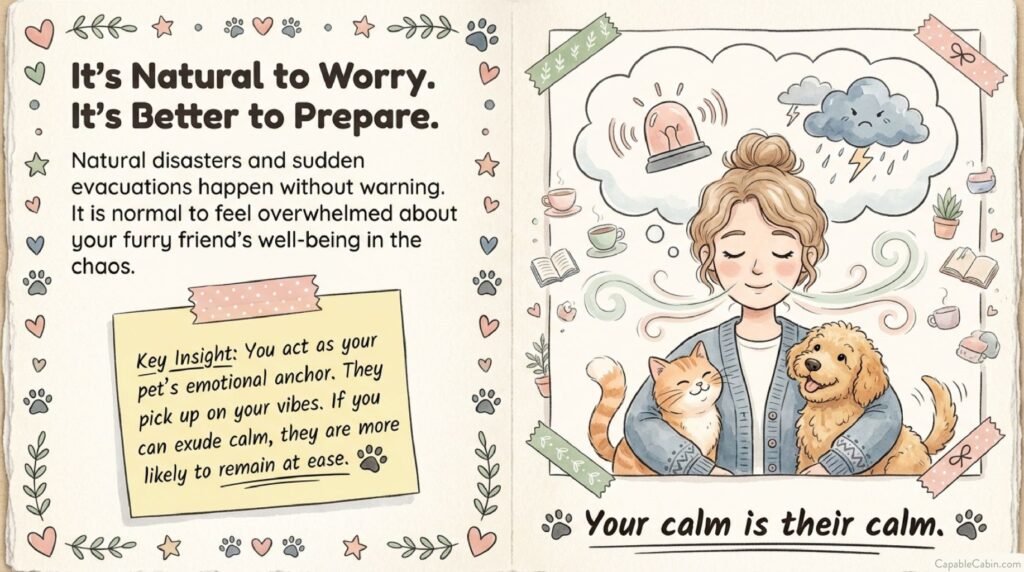
You already have a lot on your plate when an emergency arises, so it’s understandable if you feel frustrated. But try to stay mindful: your furry friend relies on you for cues. If you can exude calm, they’re more likely to remain at ease.
Maintain and Update Your Plan
- Refresh supplies every six months: Rotate food and water to ensure freshness. Double-check medication expiration dates.
- Practice drills: Go for a short practice evacuation or pack the car with your pet’s gear. This helps you spot inefficiencies and fosters familiarity.
- Revisit your shelter plans: Confirm that your pet-friendly hotel or relative’s home is still an option. People move, and policies change.
Keep Learning
When you realize how dynamic pet anxiety can be, you’ll see the value in staying informed. Sometimes life transitions—like welcoming a baby or moving to a new home—mean fresh triggers for your pet. For more on adjusting your preparedness plan during big changes, head over to pet emergency prep life transitions.
You And Your Pet, Together
When it comes to calming anxious pets during unfamiliar, tense disasters, preparation and empathy form the core of success. From recognizing your pet’s stress signals to building a solid network of helpers, each step is a win for you both. And guess what? You don’t have to be perfect. All we can do is our best to create a safer, calmer space for our pets—one that reassures them they’ll never be left behind.
So keep up the good work. Each small tweak in your routine, each practice session with the carrier, and each label you attach to a new leash or water bowl in your go-bag is a loving gesture that says, “We’re in this together.” Emergencies aren’t easy, but with thorough planning and understanding, you can weather the storm and help your pet feel secure every step of the way.
Remember, you’ve got this. Focus on consistent care and gentle reassurance, and you’ll both come out stronger on the other side. Whether it’s big thunderstorms, unexpected evacuations, or life’s daily twists, you and your pet can face them head-on, confident and calm. After all, a touch of readiness now can transform an overwhelming crisis into a smoother chapter in your shared journey.