10 Pet Emergency Preparedness Mistakes That Could Cost Lives
You know that feeling when you’re juggling a million things, and suddenly the news mentions incoming storms or power outages? Our hearts skip a beat, especially when we realize our pets depend on us for everything. The truth is, emergencies rarely knock politely before arriving. Having a solid pet plan in place can mean the difference between a safe evacuation and a heartbreaking outcome. Today, let’s talk about ten common pet emergency preparedness mistakes that could cost lives, and how you can avoid them. We’re in this together, so let’s make sure you have a few friendly action steps ready if disaster strikes.
It’s easy to overlook small details: an outdated contact tag, a missing leash, or no spare medication when you need it most. In the rush of daily life, who wants to dwell on worst-case scenarios? But consider this: if it’s not safe for you in an emergency, it’s not safe for your pets either. Being proactive doesn’t have to be complicated. Sometimes, a quick check-in with neighbors or updating microchip information can make a huge difference. No one wants to imagine their pets in danger, especially when small steps could prevent big problems.
The following list highlights ten pitfalls that people often stumble into when preparing for disasters with their furry companions. If any of these resonate with you, trust me, you’re not alone. Let’s unravel each mistake, pinpoint why it’s risky, and figure out practical ways to fix it. By the end, you’ll feel much more confident and ready to face an emergency head-on—leash, kennel, microchip info and all!
Mistake 1: Neglecting An Evacuation Plan
Have you ever found yourself scrambling at the last second, trying to figure out where to go if there’s a hurricane or wildfire warning? We’ve all been there. But when you have pets, that scramble can become frantic. According to the Centers for Disease Control and Prevention (CDC), leaving animals behind in a disaster can lead to them getting lost or injured [1]. If you’ve never drafted an evacuation plan, you’re missing a huge piece of the puzzle.
- First, identify where you could go in a crisis. This may be a family member’s home out of the danger zone, or perhaps a pet-friendly shelter in your region.
- Next, keep a portable crate or carrier easily accessible if your pet normally roams free. Familiarity with a carrier lowers your pet’s stress if you need to leave quickly.
- Jot down a list of essential phone numbers: local shelters, a reliable friend or relative, and your veterinarian.
If evacuation feels overwhelming, try breaking it down into mini tasks—like confirming an evacuation route or checking if hotels allow pets. For more in-depth preparation, it helps to have a routine check on your plan every few months. You might even consider a quick “trial run,” so your pets can get comfortable traveling. And if you’re looking for extra tips on how to coordinate routes and supplies, check out Pet Evacuation Planning for more details.
Mistake 2: Not Updating Pet IDs
Think about the last time you checked your pet’s collar tag. Is your address or phone number still correct? Many of us shift addresses or get new numbers, yet forget to update that tiny tag. If your pet goes missing during an emergency, outdated info can delay or prevent a reunion. The CDC advises ensuring tags are accurate and considering microchipping [1], a procedure that dramatically increases your odds of finding a lost pet.
- Make sure your pet’s collar has your current phone number and address.
- If your pet isn’t microchipped yet, schedule an appointment—it’s usually quick and relatively inexpensive.
- Don’t just rely on one method. A collar tag plus a microchip gives you two lines of defense.
Also, be mindful of worn or faded tags. After a while, the engraved text can get scratched or dingy, making it tough to read. You might want to set a yearly reminder on your calendar to check your pet’s tags and microchip records. It’s one of those simple tasks that’s easy to overlook but crucial in a crisis.
Mistake 3: Skipping A Pet Emergency Kit
Picture this: a severe storm is rolling in, and suddenly you realize you can’t find your dog’s medication or enough food to last even a couple of days. If you haven’t assembled a pet emergency kit, it’s all too easy to scramble when every minute counts. According to Ready.gov, having at least two kits—one large for sheltering in place and a lightweight version for quick evacuations—can be a lifesaver [2].
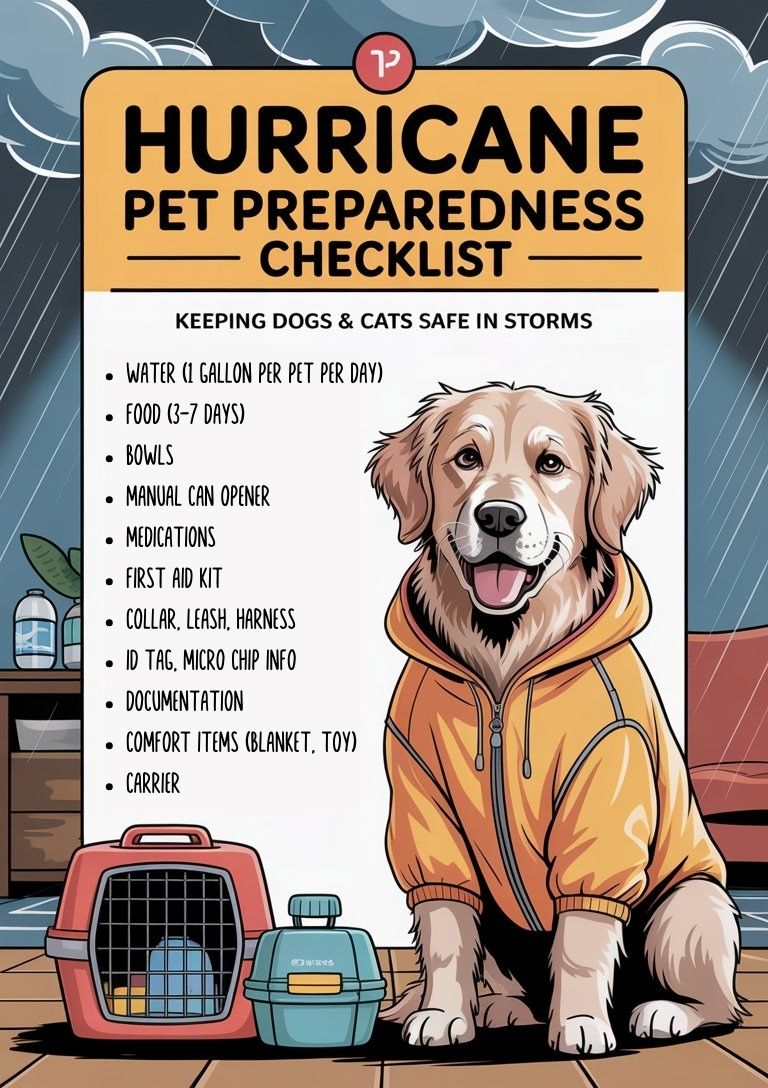
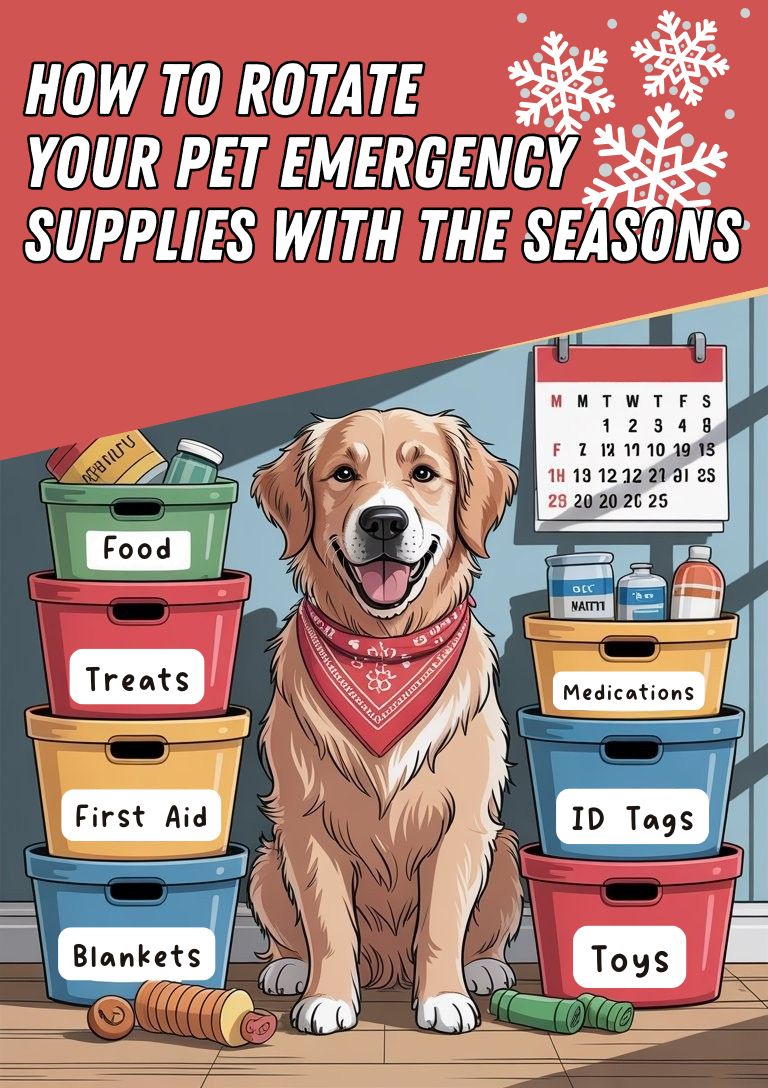
A well-stocked kit typically includes:
- Two to three days’ worth of food and water (rotate them regularly so nothing expires)
- Medications and basic first aid supplies
- Copies of vet records, including vaccination history
- Sturdy leash or harness
- Familiar comfort items, like a small blanket or favorite toy
- Waste bags and litter (for cats)
If you’re going for extra preparedness, toss in a small flashlight, collapsible bowls, and a few treats. Keep important items in waterproof containers. That way, even in floods or heavy rain, your supplies stay dry. For more tips on what should go inside your emergency kit, explore Pet First Aid Kit List. The peace of mind, trust me, is worth the effort.
Mistake 4: Forgetting Key Medical Records
Imagine trying to get your pet admitted to an emergency shelter but you can’t provide proof of vaccination. This is a surprisingly common scenario. The CDC highlights the importance of having veterinary records in your disaster kit [1]. Shelters or temporary lodging often ask for proof that your pet is up to date on shots like rabies, not just for your pet’s safety but for the well-being of other animals as well.
Here’s what to keep on file:
- Vaccination records: Include rabies, distemper, or any core immunizations your vet suggests.
- Prescription medications: Document dosages, frequency, and any special instructions.
- Contact info for your vet: Jot down the clinic’s address and phone number.
Sometimes, we stash these papers in a filing cabinet and forget about them. But in an emergency, you might not have time to sift through folders. Make digital backups by scanning or taking photos of your pet’s medical documents. Store them on your phone or in a cloud service. That way, even if you lose the physical copies, you still have easy access to the information. If you need more tailored info on managing your pet’s medical essentials for emergencies, you can visit Pet Emergency Medical Preparedness.
Mistake 5: Leaving Large Animals Unplanned
Big animals—horses, goats, pigs—are a bit more complicated to transport and shelter than your average dog or cat. Ready.gov specifically mentions that large-animal owners should create a clear emergency plan to ensure these animals’ safety in a crisis [2]. If a hurricane or fire hits, it’s not always a matter of simply loading everyone into a car. You might need specialized transport, like a trailer, and a safe location that can accommodate large creatures.
Here’s how to start:
- Identify possible evacuation sites, such as stables or farms outside the hazard zone.
- Keep a stock of at least a week’s worth of feed, along with extra bedding materials.
- Ensure each large animal has proper identification (like a brand or microchip) so you can reunite if separated.
If you have large animals alongside smaller house pets, coordinating everyone’s needs can be overwhelming. Reach out to local farm networks or equine associations to learn about recommended evacuation routes. And if you worry about your capacity to manage large-animal moves on your own, consider forming a local buddy system with nearby owners. That way, if an emergency strikes when you’re out of town or busy, someone else can help evacuate or feed your animals.
Mistake 6: Ignoring Preventive Health Measures
Emergency preparedness isn’t just about how your pet handles a short-term crisis, but how healthy they are year-round. If an emergency hits while your pet is battling ticks, fleas, or untreated medical conditions, the situation can escalate quickly. Warmer climates in places like Summerville, SC, keep parasites active longer, which is why Coastal Creek Animal Hospital warns owners never to skip year-round preventives [3].
Common oversights include:
- Forgetting monthly flea or tick medication, which can lead to serious illnesses.
- Letting oral health slide, resulting in infections that can become major emergencies.
- Overfeeding or ignoring weight gain, paving the way for diabetes or joint problems that limit mobility during evacuations.
Think of preventive care as your first line of defense. A pet that’s parasite-free, fit, and up to date on vaccines is already more resilient. You’ll also dodge the stress of managing overnight vet visits during a disaster. Your veterinarian can guide you on an optimal schedule for vaccinations, parasite control, and dental checkups. If you have multiple pets, keep a simple chart or digital reminder to track who needs what and when. Staying on top of these everyday health habits means fewer nasty surprises when real emergencies happen.
Mistake 7: Overlooking Basic First Aid
Let’s say your dog cuts its paw on debris after a storm. You might not be able to get to a vet immediately if roads are blocked. Wales Animal Clinic emphasizes that knowing basic first aid is crucial to stabilizing your pet before you can get professional care [4]. But many of us assume we’ll just call the vet—what if the vet is closed, or phone lines are down?
Your first aid kit should include:
- Gauze, non-stick bandages, and adhesive tape
- Antiseptic wipes or solution
- Tweezers for small debris removal
- A pet-safe pain reliever (only use under vet guidance)
Also, brush up on how to handle choking or how to restrain an injured animal without getting hurt yourself. Even simple tasks like properly cleaning a wound can be a game-changer. It’s worth investing a little time to watch videos or read reputable guides about pet first aid. We’re not talking about advanced surgeries here—just enough know-how to keep your pet stable until professional help is available. For a deeper look at preparing your own at-home medical solutions, you can check out Pet First Aid Myths to clear up any misconceptions.
Mistake 8: Failing To Create A Buddy System
Emergencies don’t always happen when you’re conveniently at home. If you’re caught away—maybe at work or traveling—who looks after your pets? The CDC advises setting up a buddy system, where a trusted neighbor or friend agrees to care for or evacuate your pets if you’re not around [1]. It’s such a relief to know someone else has a key to your home and can grab your furry friend in case of flooding or fire.
Here’s how to make a buddy system work:
- Exchange keys: Make sure your buddy can actually get into your home.
- Share instructions: Keep feeding routines, medical needs, and vet contacts in a spot they can easily find.
- Plan practice runs: A weekend drill can help everyone feel comfortable unlocking doors and interacting with your pets.
Your buddy system could be a full swap: you agree to rescue their pets too if they’re away. That sense of community and “we’ve got each other’s backs” can lessen the panic when a siren goes off or an evacuation order is announced. If you have multiple pets or especially shy animals, look into Multi Pet Emergency Preparedness for extra tips to keep everyone safe.
Mistake 9: Dismissing Local Disaster Alerts
Ever see a storm warning pop up on your phone and think, “Eh, it’ll blow over”? That casual dismissal can land you in trouble. The American Red Cross underscores that if local officials say it’s not safe for you to stay, it’s not safe for your pets either [5]. Taking alerts seriously, even if they sometimes turn out to be mild, is part of responsible pet ownership.
What to do when you receive an alert:
- Tune in: Local radio or TV stations often give real-time updates a few hours before the situation escalates.
- Double-check your supplies: Is your pet emergency kit fully stocked? Duct tape, extra batteries, or bottled water might need a quick run to the store.
- Share the info: Let friends and neighbors know the latest updates, and see if they need a hand with their own pets.
Staying informed means you’re less likely to panic because you have extra time to gather your pets and belongings. If you’re in an area prone to specific disasters—like earthquakes, hurricanes, or wildfires—run a quick search for specialized tips in Disaster Specific Pet Preparedness. Familiarity with the potential dangers in your region can give you a precious head start on what to do next.
Mistake 10: Underestimating Post-Disaster Stress
Your pet may seem calm and well-adjusted under normal circumstances, but disasters throw everything off-kilter. The American Red Cross warns that pets sometimes become aggressive or defensive after a crisis [5]. Think about it: new environments, unfamiliar noises, the lingering smell of smoke or flood damage—this can rattle even the most laid-back pets.
Ways to cope with behavioral shifts:
- Provide a safe space: If staying at a friend’s house or an emergency shelter, set up a quiet corner with your pet’s familiar toys or bedding.
- Stick to routines: Maintain feeding and walking schedules as best you can. Consistency helps pets feel secure.
- Watch closely for signs of stress: Excessive panting, hiding, growling, or changes in appetite can signal distress.
Stay patient, offer comfort, and let your pet readjust at their own pace. If the behavior becomes severe, seek professional help from a veterinarian or animal behaviorist. In some cases, mild anti-anxiety medications or specialized training might help your pet recuperate. The main goal is to provide reassurance that, despite the trauma, they are safe again. A little extra patience can work wonders in smoothing over these rough patches.
Conclusion: Stay Prepared, Stay Hopeful
Disasters are unpredictable, but your response doesn’t have to be. By addressing these ten common pet emergency preparedness mistakes, you’re already miles ahead in keeping your furry companions safe. Whether it’s double-checking your pet’s collar tag, putting together a robust emergency kit, or setting up a neighborly buddy system, every action you take adds up to greater peace of mind.
We all have days when we want to put it off—maybe tomorrow, right? But remember, emergencies won’t wait until it’s convenient for you. Making small, steady improvements now gives you and your pets the best chance to handle unexpected crises like pros. It also helps you stay calm instead of acting out of panic, which goes a long way for everyone’s wellbeing.
Above all, show yourself and your pets plenty of compassion. You’re not alone if you feel overwhelmed or unsure where to start. Think of this as a journey—a few small steps at a time. Keep going. You’ve got this, and we’re here cheering you on every step of the way. If you find yourself needing more specifics, don’t hesitate to explore resources like Family Pet Emergency Plan or Pet Emergency Medical Preparedness. In uncertain times, a little preparation can spell the difference between chaos and comfort for both you and your beloved pets.