First Aid for Burns Cuts and Wounds in Pets
Nothing compares to the anxious moment when you see your dog, cat, or other beloved companion in pain and wonder if you’re prepared to handle it. We’ve all been there, and while it can be scary, you’re absolutely capable of tackling pet first aid wounds with confidence. Let’s walk through a straightforward, supportive approach to treating your furry friend’s cuts, burns, or other injuries at home, all while keeping an eye out for more serious situations that call for professional care. We’re in this together, so let’s dive in and explore how to guard against infections, ease your pet’s discomfort, and stay ready for emergencies—no judgment, just real talk and practical tips.
Know Pet First Aid Wounds
Why Immediate Action Matters
When you notice your pet limping, whining, or favoring a paw, it’s natural to hope it’s just a minor scrape. But with any wound, time matters. Proper wound care prevents infection, speeds healing, and reduces complications like painful abscesses or tissue damage [1]. Even a seemingly small cut can develop issues if bacteria find a way in. By jumping in early, you keep your companion more comfortable and may avoid bigger vet bills or complex treatments later on.
Understand Common Wound Types
Pets get into all sorts of scrapes. They might step on sharp objects, scuffle with other animals, or snag their paws on rough terrain. It helps to know a few typical wound categories so you can spot them and act quickly:
- Scrapes or abrasions: Surface-level damage that often looks raw or red
- Cuts or lacerations: Deeper tears in the skin with possible bleeding
- Burns: Caused by heat, chemicals, or friction
- Punctures: Small but deep holes, often from bites or sharp objects
- Pressure sores: Areas of skin breakdown (often in older or immobile pets)
Below is a quick reference table with key indicators:
| Type of Wound | Common Symptoms | Potential Complications |
|---|---|---|
| Scrape/Abrasion | Raw, reddened skin | Infection, delayed healing |
| Laceration/Cut | Visible cut, bleeding | Significant blood loss, infection |
| Burn | Redness, blistering, char | Severe pain, infection, tissue damage |
| Puncture | Small hole, swelling | Abscess, infection, internal injury |
| Pressure Sore | Ulcerated skin, hair loss | Chronic pain, risk of infection |
Knowing these basics helps you decide whether you can manage things at home or if you need to see a vet right away.
Stock Your First-Aid Kit
Essential Tools And Supplies
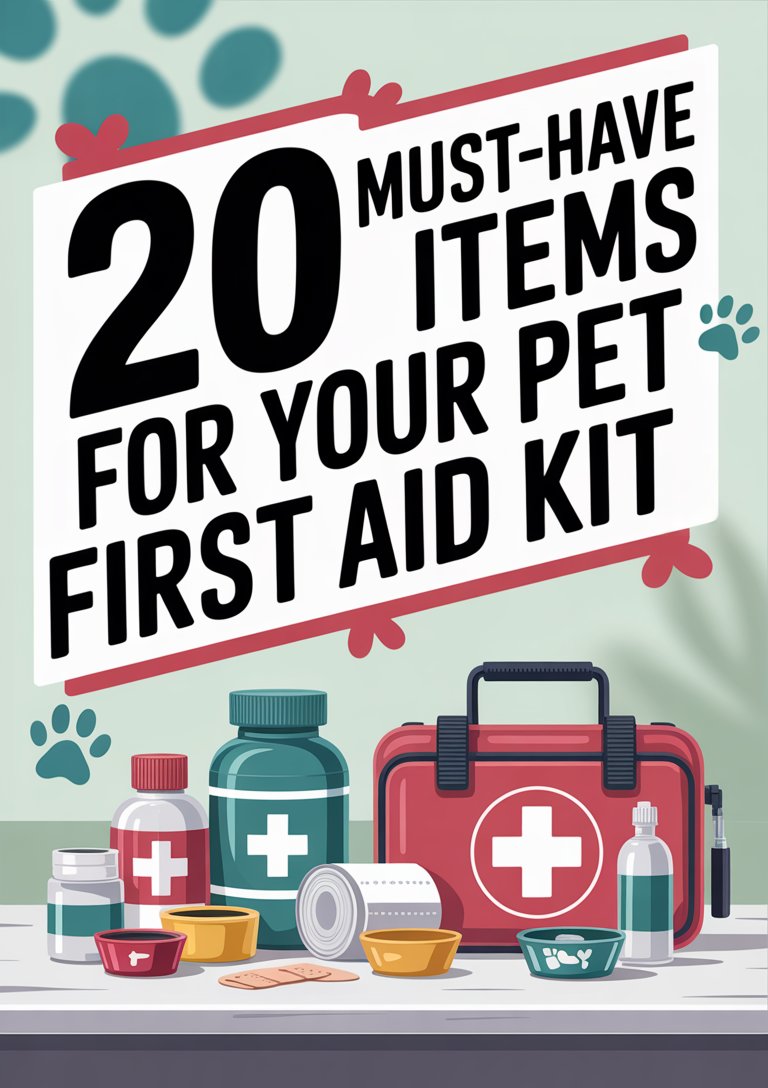
Being prepared before an injury occurs is half the battle. Having a well-stocked toolkit means you won’t scramble when time is of the essence. Consider putting together a dedicated pet kit if you don’t have one already. Essentials include:
- Sterile gauze pads and bandages
- Roll of non-stick or self-adhesive bandage
- Antibacterial ointment (vet-approved, no corticosteroids)
- Pet-safe antiseptic solution, like diluted chlorhexidine or povidone-iodine [1]
- Disposable gloves
- Muzzle (for safety if your pet is in pain)
- Tweezers or small forceps (for foreign objects near the surface)
- Clean towels or cloths (for gentle pressure)
- Saline solution or a large syringe for rinsing wounds
If you’re looking for a more comprehensive option, check out our pet first aid kit list, which features budget-friendly essentials you can keep in your car, at home, or wherever your pet roams.
Summoning A Vet Or Helpline
Even with the best kit, someone on the other end of the phone can be invaluable. Keep your veterinarian’s contact details readily accessible, plus the number of a 24-hour emergency clinic. If you’re traveling or spend a lot of time away from home, research local vet services ahead of time. This is doubly important during disasters or evacuations—keeping your vet’s number on a sticky note inside your kit can save precious minutes if you’re dealing with an emergency and a flurry of to-dos.
Treat Minor Cuts Properly
Clean And Rinse Thoroughly
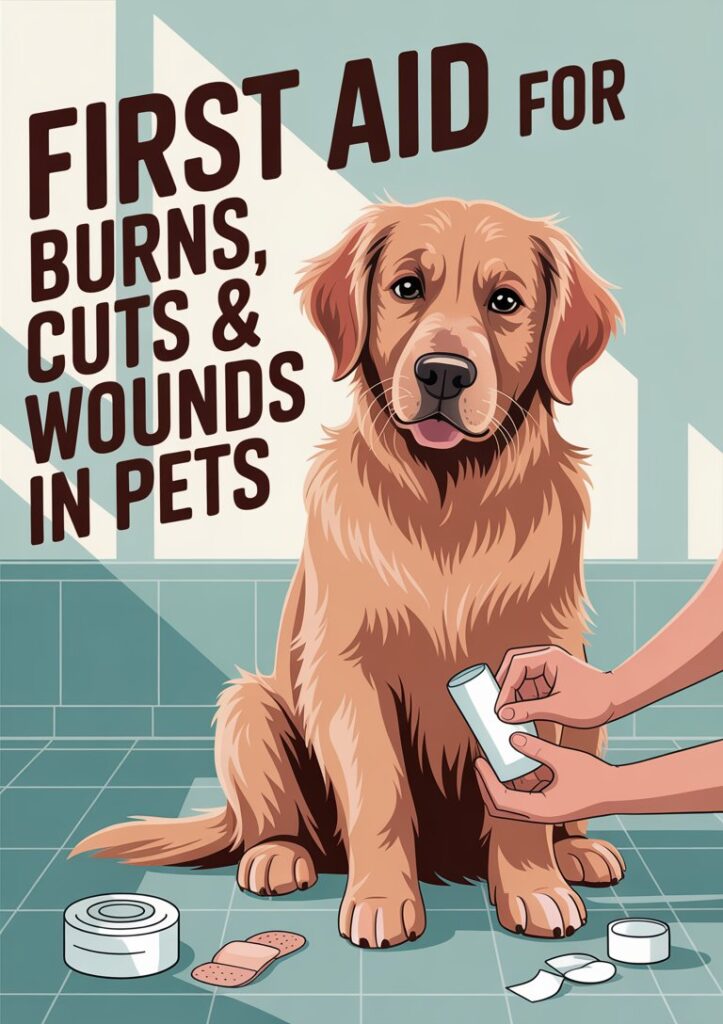
When you see a minor cut—let’s say a small laceration on your dog’s leg—your first instinct might be to panic. But take a deep breath. You’ve got this. Start by calming your pet, and if necessary, apply a muzzle to prevent accidental bites (pain can make even the sweetest animals snap). Next, assess the wound. Gently rinse it with cool water or a saline solution (mix 2 cups of water with 1 teaspoon of table salt in a pinch). This step clears away dirt or debris so you can see what you’re dealing with. It also flushes out bacteria that might lead to infection.
Veterinarians often recommend diluted chlorhexidine at around 0.05% or povidone-iodine at a shade similar to weak tea [1]. Avoid harsh products like hydrogen peroxide or rubbing alcohol since they can damage the tissue and slow healing.
Stop Profuse Bleeding
For bleeding that’s more than a slight ooze, place a clean towel or gauze directly on the wound and apply gentle, steady pressure. Most bleeding should stop within 10 minutes. If it doesn’t, this might be beyond minor, so contact your vet or an emergency clinic [2].
Apply Pet-Safe Ointments
Once bleeding is controlled and debris is cleared, you can apply a pet-safe antibiotic ointment to reduce infection risk. Check that it doesn’t contain corticosteroids. A thin film is all you need. You might feel tempted to glob on as much as possible, but more isn’t always better, and you don’t want to trap excess moisture under bandages.
Bandage Securely–But Not Too Tight
If your pet tolerates it, lightly cover the wound with sterile gauze, then secure it with a wrap. If you’re bandaging a leg, monitor for signs it’s too tight, such as swelling, discoloration, or your pet persistently chewing at the bandage. Bigger lumps of bandage material might seem safer, but less is often more. The ultimate goal is to protect the wound while allowing some air circulation.
Address Burns Carefully
Recognize Severity Levels
Burns in pets vary from mild to severe, caused by heat, friction, or chemicals. Minor burns may only show redness, while serious burns can have blisters or charred skin. If you see any blistering or blackened areas, it’s time to phone your vet. More severe burns can be extremely painful or lead to infections.
Cool Water Rinse
For smaller burns (like accidentally brushing a hot stovetop), gently run cool or lukewarm water over the area for about 10 minutes to dissipate the heat. This step soothes your pet and lowers the chance of deeper tissue damage. Do not apply ice, as extreme cold can worsen tissue injury. If a chemical caused the burn, rinse thoroughly for even longer—check the label if you can find it, or call the vet to be certain you’ve removed all residue.
Prevent Further Irritation
Steer clear of home remedies like butter, oils, or thick creams unless recommended specifically by your vet. These can trap heat. Pet-safe antibiotic ointments are usually fine, in moderation. If the burn covers a large surface area or looks especially painful, you’re likely dealing with more than a first-degree burn, so get professional advice right away.
Handle Punctures And Bites
Clean Gently And Observe
Puncture wounds on pets can be sneaky. Because they’re narrow and deep, bacteria get deposited under the skin with little sign of trouble at first. If your dog gets into a scuffle at the dog park, take a moment to part the fur and look for small, round holes or visible swelling. Rinse the area with saline or water, following the same gentle steps mentioned before. Keep an eye on changes like redness or fluid buildup—abscesses can form quickly.
Assess For Infection
Bite wounds can become infected and form painful pockets of pus beneath the skin. If you notice your pet repeatedly licking or limping, or if there’s a foul odor, discharge, or swelling, you may need a vet’s intervention, such as antibiotics or even a minor surgical drain to remove trapped fluid [3]. Also, remember that while the risk of rabies is low in most regions, it remains a serious threat if vaccination status is unknown. Keep your pet’s vaccines up to date to avoid any nightmares.
Seek Veterinary Attention
Deep Or Profusely Bleeding Wounds
Some wounds are simply not meant for home treatment alone. A good rule of thumb: if the cut is deep enough that you see tissue layers or it won’t stop bleeding within 10 minutes of gentle pressure, head to your vet. Similarly, wounds on the eye, mouth, or joints, or over the abdominal cavity, may pose bigger risks [4].
Foreign Objects In Wounds
Foreign objects can get lodged deep enough that home tweezers won’t cut it. If you can see a splinter or shard near the surface, you can carefully remove it. But if it’s buried or your pet is in significant pain, forcing it out yourself can cause more harm. Let your vet handle complicated extractions with the right tools, sedation if needed, and antibiotics.
Burns, Eye Injuries, And Beyond
Major burns or eye-area injuries can threaten your pet’s vision or lead to permanent tissue damage, especially if the entire face is affected. Eye injuries often look like squinting, cloudiness, or tearing. These situations call for pro-level care—picking up the phone to call your vet is never the wrong move if you’re worried.
Watch For Infection
Signs Of Complications
Even the best bandaging can’t guarantee that an infection won’t sneak in. Be on the lookout for:
- Redness or swelling around the wound
- A bad odor
- Sticky or colored discharge
- Increased pain or discomfort
- Lethargy or loss of appetite
If any of these spots pop up, it’s time for a vet check. That might mean antibiotics or further cleaning. In some cases, your vet will want to culture the wound to see exactly what kind of bacteria they’re dealing with and pick the right medication.
When To Contact A Vet
If it’s a minor wound that’s healing well, you typically see scabbing within a few days, a gradual decrease in redness, and no discharge. If it’s improving slowly but surely, keep going with gentle cleanings and bandage changes. If scabbing breaks open repeatedly, or your pet is resistant to touching the area (indicating pain), or you notice a new foul odor, ring your vet sooner rather than later. If you’re ever on the fence, trust your gut—veterinary experts are there to help.
Prepare For Emergencies
Keep Calm In A Crisis
Emergencies are stressful. Dogs and cats can sense our worries, so do your best to keep your voice steady and your movements calm. It helps to practice “what if” scenarios in your mind, just like you would for a family emergency plan. Simply running through how you’d muzzle your pet, how you’d grab your first-aid kit, and how you’d contact a vet can help you feel prepared when the real deal happens.
Consider scanning our common pet emergencies article for more insights on urgent situations like bone fractures or severe allergic reactions, so you’re never caught off guard. You might also find comfort in reading about pet emergency medical preparedness for additional ways to safeguard your four-legged companion in tough moments.
Have A Support Network
If you live in a multi-pet household or have neighbors with pets, it’s smart to share phone numbers and discuss backup plans if you’re unavailable. You never know when you might be at work, out of town, or dealing with your own emergency. Having someone who can step in and say, “No worries, I can take your dog to the vet” is a huge relief. For bigger-scale emergencies like hurricanes, fires, or other disasters, local shelters or rescue groups can guide you as well. You can check out resources like multi pet emergency preparedness or disaster specific pet preparedness to plan ahead.
Maintain A Pet Emergency Kit
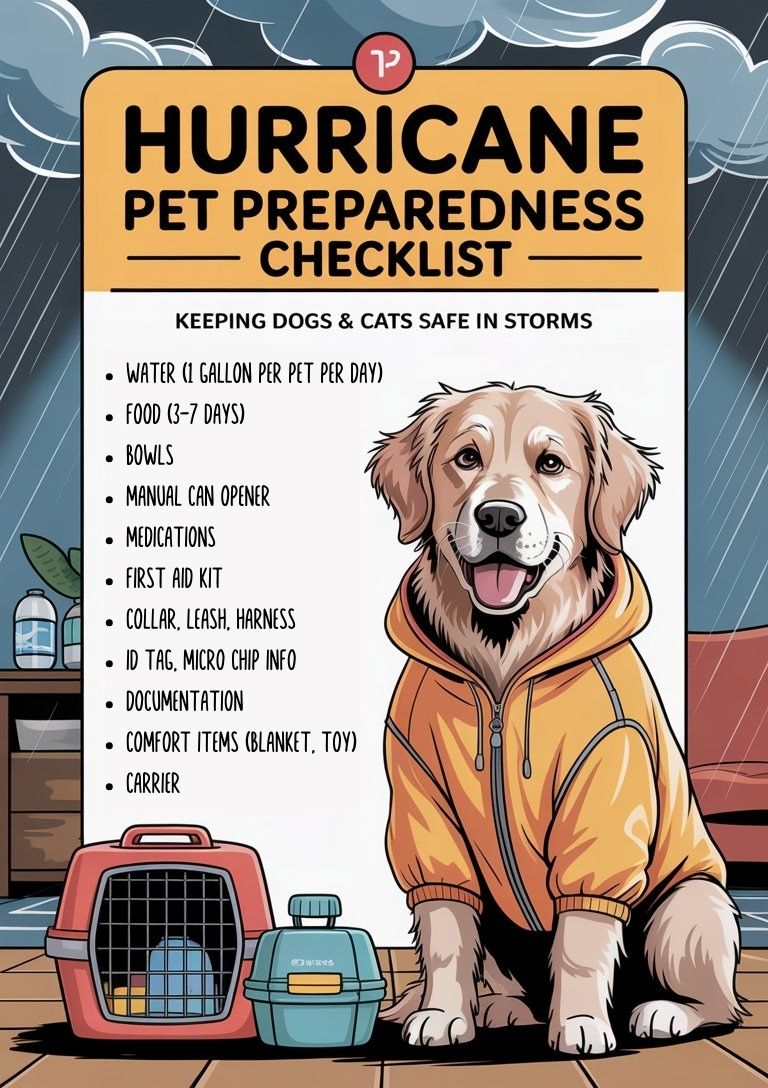
It’s one thing to have a short-term first-aid kit and another to stock up for bigger emergencies. Depending on where you live, you might be at risk of floods, winter storms, earthquakes, or tornadoes. Having additional supplies like extra water, food, and comfort items can make evacuation easier. If you need deeper insights, our article on pet evacuation planning covers how to keep your four-legged friend safe when relocating at a moment’s notice.
Step-By-Step Wound Care: A Detailed Recap
Sometimes it’s helpful to see everything in one spot. Here’s a quick step-by-step overview you can pin to a memo board, save as a note on your phone, or tuck into your first-aid kit:
Secure Your Pet
- Use a muzzle if they’re in serious pain and might bite
- Speak calmly and avoid sudden movements
Check The Wound
- Identify the type (cut, burn, puncture, etc.)
- Note severity and any visible debris
Rinse And Clean
- Use cool water, saline, or diluted pet-safe solutions
- Gently remove surface-level debris
Stop Bleeding (If Needed)
- Apply clean, firm pressure with gauze or a towel
- If no improvement in 10 minutes, call the vet
Apply Ointment
- Choose a pet-safe topical
- Avoid products containing steroids without vet guidance
Bandage Properly
- Use sterile gauze plus an elastic wrap
- Check circulation to prevent swelling
Observe And Monitor
- Look for redness, odor, swelling, or discharge
- Keep the area protected from licking or biting with an e-collar if needed
Contact The Vet
- If you see signs of infection, serious burns, or if the wound won’t heal
- Head to emergency care for deep lacerations, unstoppable bleeding, or foreign objects
Following these steps keeps the process simple in a pinch. The key is gentleness, vigilance, and quick action. You know your pet best, so trust your instincts if something seems amiss.
Practical Tips For Burns, Cuts, And More
Aside from regular wound care, here are a few everyday tips that can protect your pet from injury:
- Regular Nail Trims: Overgrown nails can snag, tear, and bleed.
- Safe Environments: Remove sharp objects around the home and yard. Check for potential hazards like exposed wires or broken glass.
- Soft Surfaces: Provide cushioned bedding to prevent pressure sores, especially in older or immobile pets.
- Leashes And Harnesses: Supervise your pet’s outdoor time to discourage scuffles with other animals or random rummaging through trash.
- Cooling Measures: In scorching weather, hot pavement can burn paw pads. Check ground temperatures or use protective booties.
It might feel like a lot, but these simple actions reduce your pet’s chance of getting hurt and lessen the severity if an injury does occur.
Avoid Common Mistakes
Even the most well-intentioned pet owners slip up. Here are a few pitfalls to watch out for:
- Using Human-Only Products: Hydrogen peroxide and rubbing alcohol may damage healing tissue.
- Waiting Too Long: Assuming a wound is “just a scratch” can lead to infection. Trust your gut and seek help if you’re unsure.
- Over-Tightening Bandages: Too much pressure can cut off circulation and worsen the problem.
- Skipping Check-Ins: You can’t just bandage once and forget it. Inspect the wound daily or twice a day.
When in doubt, remember that your veterinarian is your ally. A quick phone call can ease your mind or prompt you to head for professional treatment.
Stay Prepared
Whether it’s day-to-day accidents or large-scale disasters, planning ahead is the best way to keep you and your pet calm. You might want to look into specialized resources like pet emergency prep tasks so you can systematically work through checklists without feeling overwhelmed.
If you have a senior pet or you’re managing multiple animals, you can adapt the same steps with just a bit of extra care for older joints or anxious personalities. And for folks living in apartments or rural areas, we have specialized roundups like pet emergency prep apartments or rural pet emergency preparedness. These articles break down how to tailor your approach based on living situations or location-specific hazards.
Final Thoughts: You’ve Got This
Caring for pet first aid wounds doesn’t have to be daunting. With a simple first-aid kit, some know-how on cleaning techniques, and the confidence to take prompt action, you’re well on your way to protecting your furry companion. If the situation feels more serious—excessive bleeding, deep punctures, large burns, or anything involving the eyes or head—don’t hesitate to call a professional. Part of being a loving pet owner is knowing when it’s time to get extra help.
The real magic is in building a habit of preparedness. Keep those essential supplies on hand, maintain your vet’s number in an easy-to-find spot, and trust yourself. After all, you and your pet share a special bond—you understand their little signals, their comforts, and their quirks better than anyone else. With the right balance of caution, quick thinking, and reassurance, you’ll navigate these unexpected moments just fine.
So the next time your cat zips across the kitchen and slides into a not-so-soft landing, or your dog tangles with a brambly bush, you’ll know exactly how to react. Keep taking small steps to be ready, stay mindful of potential hazards, and give your pet the love and support they deserve. We’re all in this together, and trust me, you’re not alone. Your care, attention, and preparedness make a world of difference to that wagging tail or gentle purr by your side.