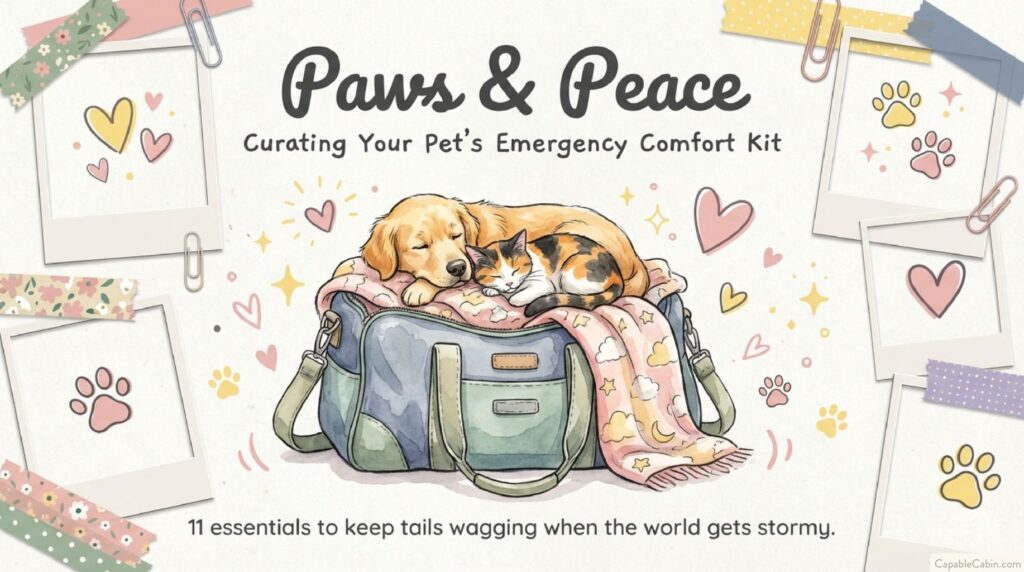
11 Pet Emergency Comfort Items That Can Calm Panic Fast
Picture this: you and your furry companion are caught in the middle of a sudden evacuation order, or maybe hunkered down at home during a severe storm.
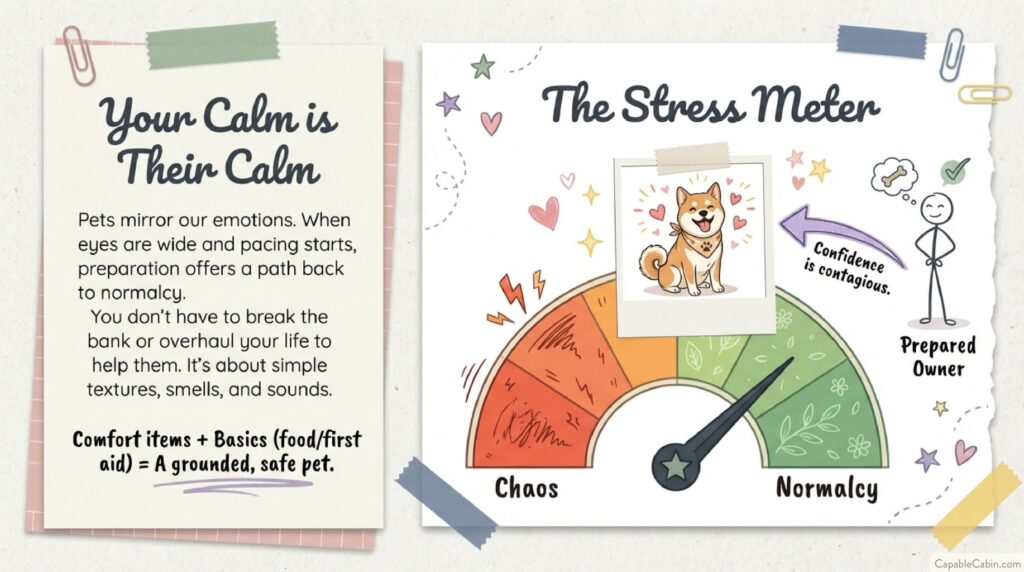
Emotions run high, and your pet can sense every bit of it. Those worried eyes, that anxious pacing, the little whimpers that break your heart… trust me, I know how it feels.
That is why gathering the right pet emergency comfort items is not just practical, but also soothing. When emergencies hit, you want your pet to feel as safe as possible, even if your routine is turned upside down.
Before we get into the list, let me reassure you: you do not have to break the bank or overhaul your entire life to create a sense of calm for your best friend. Sometimes, it is as simple as including a few favorite textures, smells, or sounds to keep tails wagging and hearts at ease.
Professionals at organizations like the American Red Cross also back this up, reminding us that comfort items, alongside basics like food and first-aid supplies, can help your pet maintain a sense of normalcy during chaotic times [1].
If you have multiple pets, you might also want to check out multi-pet emergency preparedness for tips on handling everyone without feeling overwhelmed. And if you ever need a broader guide to your dog or cat’s health needs, swing by pet emergency medical preparedness. Ultimately, these comfort items are a gentle reminder that you and your pet are a team. Your calm, organized approach can help you both ride out any storm together.
Below, you will find 11 tried-and-true comfort items that can reduce your pet’s stress level in emergencies.
Each suggestion comes from real-life experiences plus insights from veterinary pros. Some will be obvious, others might surprise you. Let’s take a look and piece together your perfect kit of pet emergency comfort items.
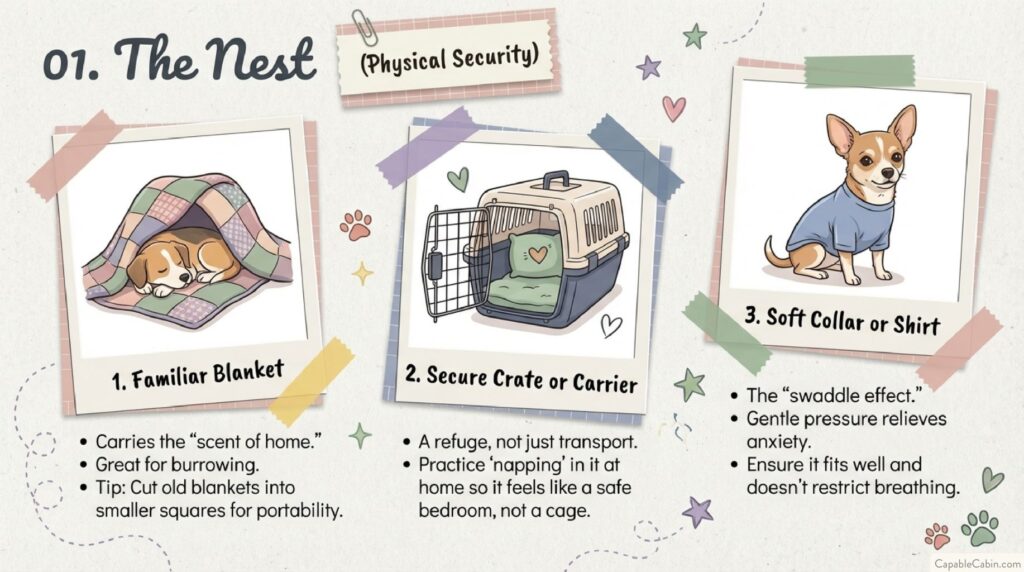
1. Bring a Familiar Blanket
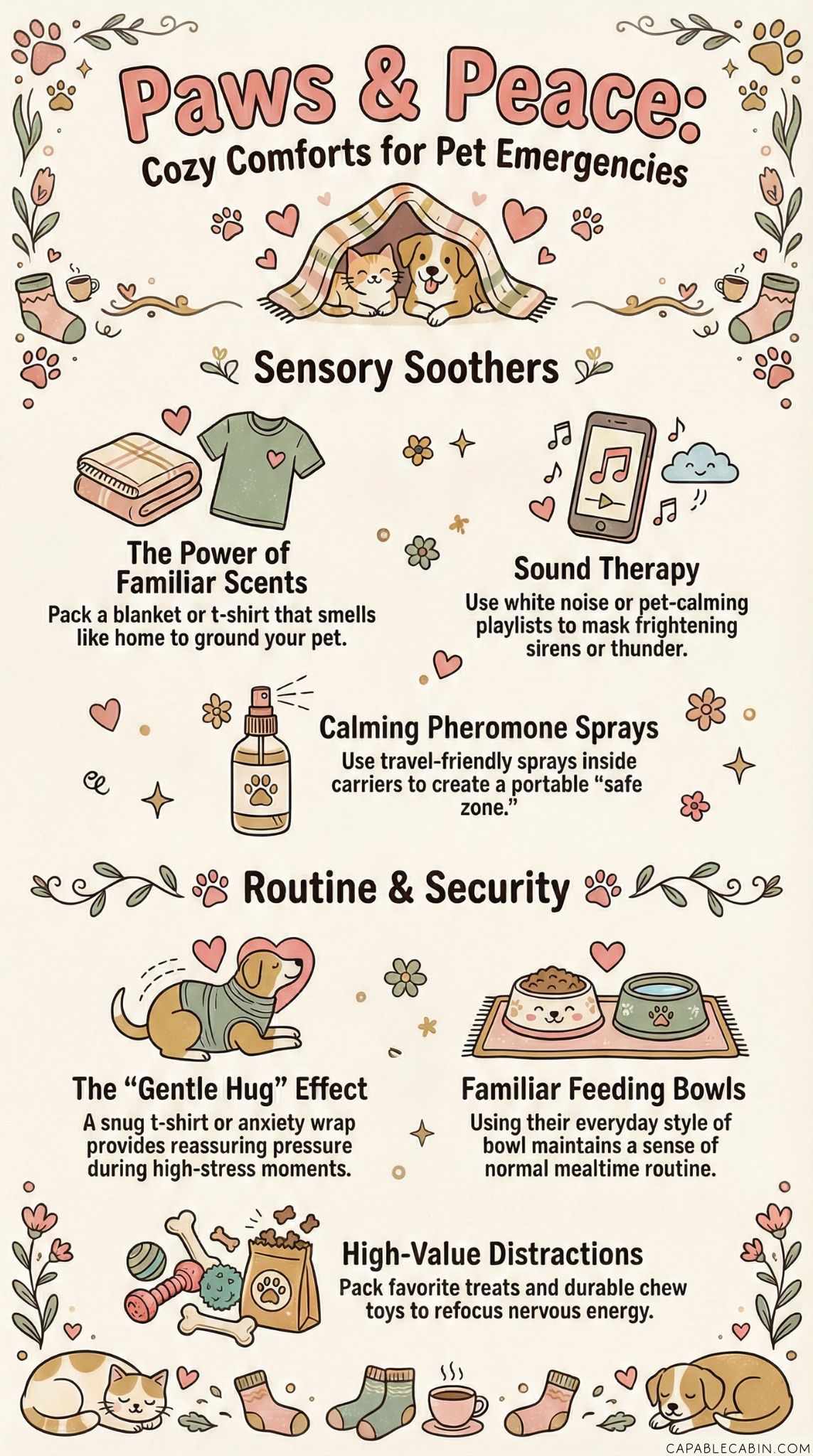
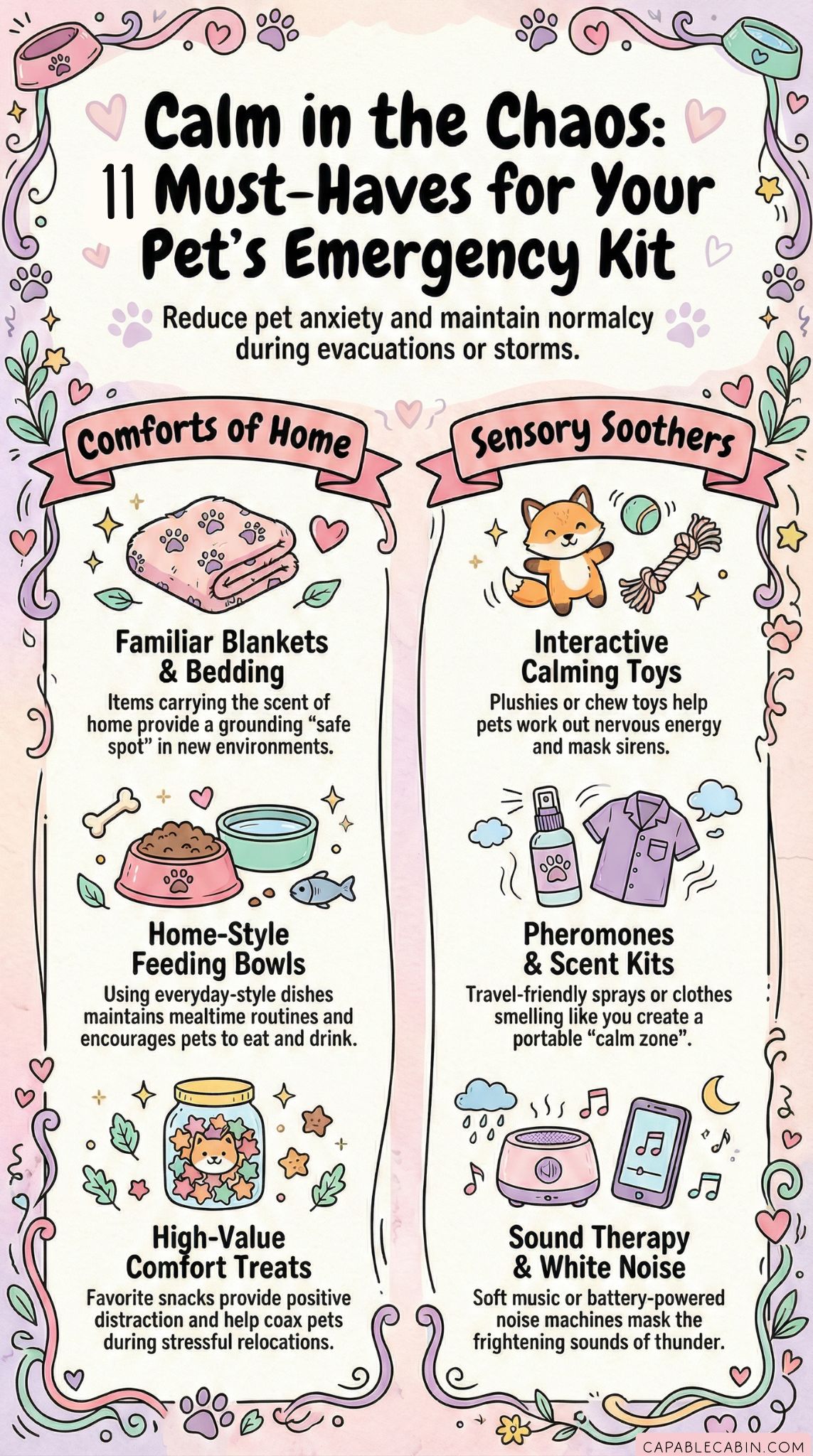
When stress strikes, many pets gravitate toward a soft spot, like a blanket that carries the scent of home. Think about how comforting it is to wrap yourself in your own cozy throw after a long day. Your furry companion feels the same way. During an emergency, adding a small or medium-sized blanket to your pet go-bag can go a long way toward easing anxiety.
- If you are sewing your emergency kit yourself, consider cutting an old blanket into smaller pieces. That way, you have one handy for every pet.
- Blankets can act as bedding in a makeshift shelter, or even as a cover if your pet is trembling from nervousness or cold.
- Include an extra blanket if you can, just in case one gets wet or soiled.
I have found that pets like cats and smaller dogs often prefer a blanket that is lightweight and easy to burrow underneath, while bigger dogs like the security of something thicker. If you have an older pet, you might want to visit senior pet emergency preparedness for more tailored tips on how to support aging companions. Bottom line: a familiar blanket can do wonders to ground your pet in the middle of chaos.
2. Offer Calming Toys
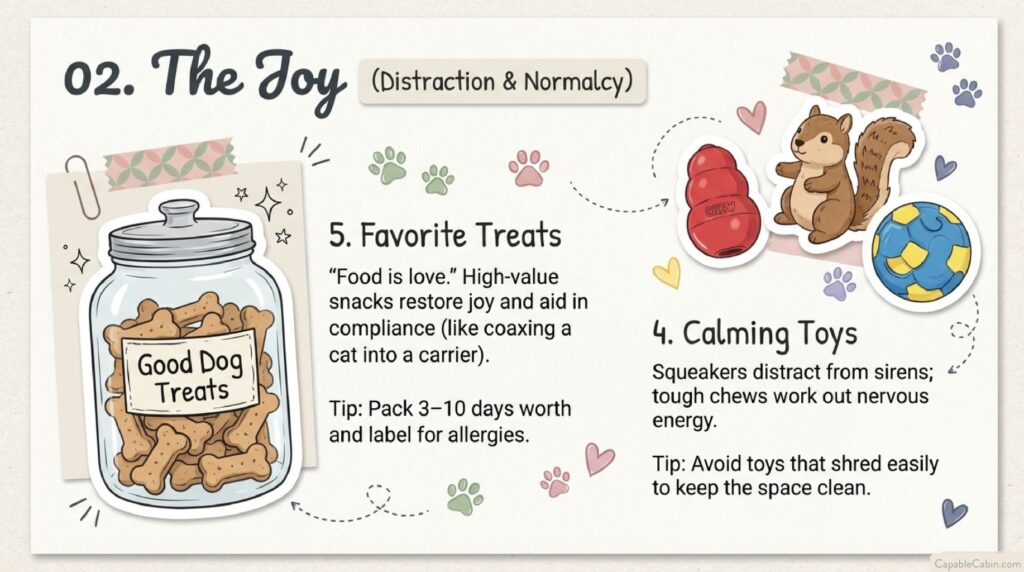
You know how younger kids cling to that one stuffed animal? Pets can be the same way. A plush toy or chew toy they find irresistible is not just a plaything; it is a sense of normalcy. During an emergency, a well-loved squeaky toy, rope, or interactive puzzle can distract your furry best friend from unfamiliar sights and sounds.
- Plush toys with internal squeakers can capture your pet’s attention amid sirens or loud weather.
- Tough chew toys or treat-dispensing puzzles let them work out nervous energy.
- Avoid toys that easily shred, because you might not have immediate access to a vacuum or trash bin to clean up the pieces.
If you have multiple pets who share toys (or fight over them), you might want to bring an extra set. Trust me, the last thing you need when you are stressed is a squabble over a squeaky ball. Also, if your animal is prone to stress chewing, keep a few backup chew sticks handy, especially for dogs that might channel anxiety into gnawing. Refocusing their attention can soothe both them and you.
3. Include Favorite Treats
Food is love, right? In an emergency situation, your pet might be anxious, but a special treat can restore a little joy to their day. Many vets recommend packing three to ten days’ worth of food in your emergency kit [2]. Along with the basics, sliding in a few comfort treats can make the experience less scary.
- Dehydrated or shelf-stable snacks can last a while without refrigeration.
- Look for portion-controlled packs, so you do not have to open an entire box and risk spoilage.
- If your pet has allergies or special dietary needs, do not forget to label the treats and keep them separate from everything else.
High-value treats are especially effective for training during stressful scenarios. For instance, if it is time to kennel your dog or coax your cat into a carrier, a tasty morsel can encourage them to follow instructions instead of fleeing. Just moderate the portion size, as stress can also affect digestion. That is another reason you should keep some comfort treats on hand—sometimes a nibble of something familiar is all it takes to make them feel safe.
4. Pack Calming Scents or Sprays
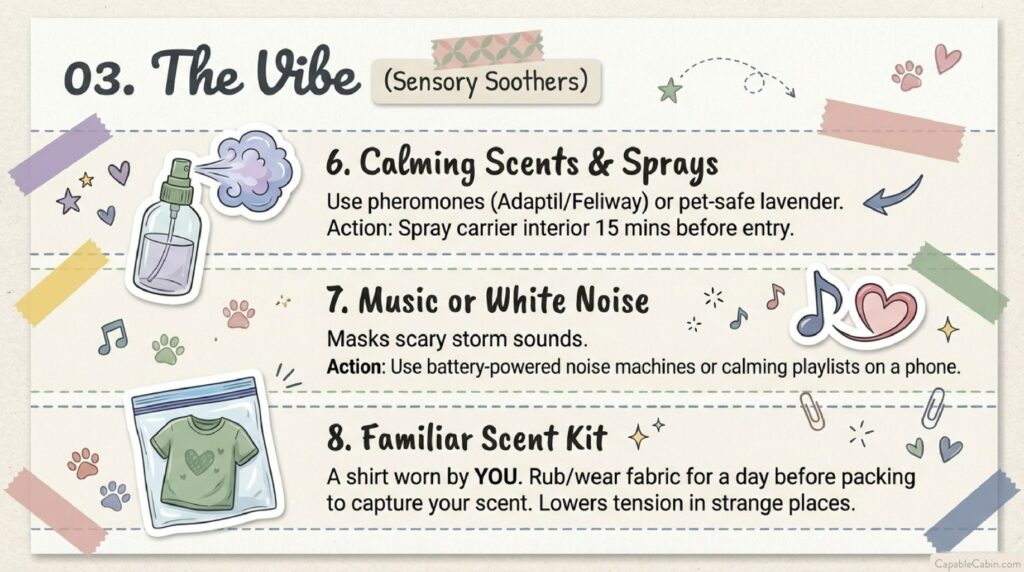
Take a moment to recall how certain smells can transport you to a place of calm. The same concept applies to animals. Products like pheromone sprays, or even your own reassuring scents, can help reduce stress levels for dogs and cats. There are brand-specific pheromone diffusers (like Adaptil for dogs or Feliway for cats), but travel-friendly sprays are especially helpful in emergency situations.
- Lightly spray the interior of a crate or carrier a few minutes before your pet enters it.
- Some owners find that adding a drop of canine-safe lavender essential oil to bedding or on a cloth (kept securely away from direct contact with the pet’s mouth or eyes) may encourage relaxation.
- If you have a T-shirt or small fabric item that smells like you, that can work just as well. In a pinch, wrap it around their carrier to create a calm zone.
Always check with your veterinarian before using new scents or sprays, especially if your pet has respiratory issues. You do not want to overwhelm them with potent fragrances. It is meant to soothe, not to irritate. Test the item at home first to ensure your furry loved one reacts positively.
5. Include Pet-Safe Music or White Noise
Yes, really. Music is not just for humans. Soft background noise can be an excellent way to mask the frightening sounds of wind, thunder, or sirens, making your pet feel less on edge. Some pet parents use portable speakers or even small, battery-powered noise machines for this purpose.
- Certain playlists, found on streaming services, are designed to calm pets.
- White noise machines can be an alternative if you do not want to rely on a phone or tablet’s battery.
- Even the low hum of a portable fan can gently distract your pet from jarring noises outside.
While it might not be the very first item you think of when you pack your emergency kit, you would be surprised by how much difference a little sound therapy can make. Plus, it also helps you stay calm. After all, if your pet is feeling more relaxed, odds are you will, too. Just make sure you have enough batteries or a power bank if you plan to rely on any electronic devices.
6. Provide a Secure Crate or Carrier
Having a stable, cozy spot for your pet during an emergency is more than just a requirement for travel. When that crate, carrier, or portable kennel feels like a second home, it is also a comfort item. You can add soft bedding, a favorite toy, and a calming spray so it becomes your pet’s personal refuge.
- Let your pet explore and nap in the carrier at home regularly, so it does not build negative associations with panic.
- For cats, keep the carrier open in a quiet corner so they can relax inside it whenever they desire.
- Include a slip leash or harness in case you need a secure way to move your pet outside.
Being comfortable with the crate can help if you need to transport your pet to a safer area. Practice short trips around the house or a quick drive around the block. When the real deal happens, you each know the drill. If you want more tips on safe evacuations, consider checking out pet evacuation planning. You will find extra pointers on how to streamline your process and minimize your pet’s fears.
7. Store a Soft Collar or Shirt
There is a reason that experts sometimes recommend anxiety wraps for dogs. A gentle, consistent pressure on the torso can help relieve anxiety, similar to how swaddling a baby can ease fussiness. Even a snug, well-fitted T-shirt can create that effect if you do not have a specialized wrap.
- Test it out on your pet in a non-emergency setting, so they get used to the sensation.
- For smaller animals, lightly wrapping them in a pet-safe blanket or using a calming vest can have a similar effect.
- Always ensure it is not too tight or restricting your pet’s breathing.
If your pet tends to wiggle out of clothes, try a properly adjusted harness instead. It offers a sense of security, especially for dogs that get jumpy at loud noises. When your pet feels that gentle hug, it can shift focus away from the storm raging outside. If you want to learn more about ways to keep your pet calm at every age, senior pet emergency preparedness includes tips that sometimes apply to younger furry friends too. Remember, the goal is gentle comfort, not restriction.
8. Keep Familiar Feeding Bowls
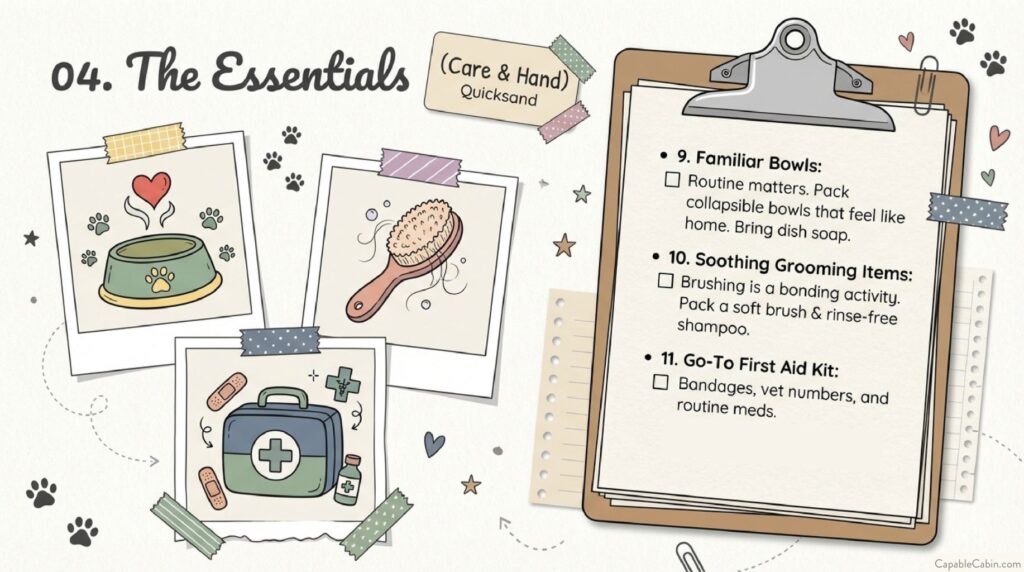
This one might sound silly, but think about your morning coffee mug. You have a favorite, right? The shape, the weight—somehow it tastes different in that mug. Pets are creatures of habit too. Keeping a spare set of bowls that look and feel like their everyday dishes can help them feel more at home during an emergency.
- Collapsible bowls are space-efficient, and many come in materials similar to standard bowls.
- Choose bowls that are easy to wipe clean, because you might not have a reliable water supply for deep washing.
- If your pet is used to elevated feeding, consider a foldable stand.
Additionally, you might stash a little packet of dish soap or pet-safe wipes with your bowls to keep them hygienic. Once the crisis passes, or if you relocate to a pet-friendly shelter, your animal will at least have the comfort of mealtime routines. If you need more pointers on the essentials, pet emergency supply storage can help you organize everything systematically.
9. Add Soothing Grooming Items
Grooming might not top your list when you think “emergency,” but it can be surprisingly reassuring for a nervous dog or cat. Gentle brushing or a calm wipe-down can help them feel less grimy and more at ease.
- Include a soft-bristled brush or comb that your pet is used to.
- Wipes or pet-safe, rinse-free shampoos can be a relief if you cannot do a full bath.
- If your pet is used to nail trims, you may consider a small clipper set, though only attempt this if your pet is calm.
A grooming session can also double as a mini wellness exam. After a storm, for instance, you might spot tiny scratches or debris in your pet’s fur. If you find anything concerning, organizations like PetMD recommend using antiseptic wipes or ointments and contacting your vet if the wound is serious [3]. For a deeper list of medical tools, check out pet first aid kit list. The aim is to keep them comfortable, safe, and free from added stress or infection.
10. Create a Familiar Scent Kit
For many pets, the sense of smell is everything. Having an extra bandana or piece of clothing in your bag that smells like home can give them a soothing dose of familiarity whenever nerves spike. You can even store one in a sealable plastic bag. That way, the scent remains fresh until you open it up.
- Rub or wear the fabric for a day before packing it, so it picks up your personal scent.
- Some pets love an old sock, but just make sure it is clean and does not have holes they could accidentally swallow.
- If you are traveling with multiple pets, label the items so they do not get mixed up.
Introducing that “homey” smell in a pet’s space can be a game-changer when you are stuck in a hotel room that does not allow them free run, or in a makeshift shelter environment. According to the CDC, stress can cause behavioral changes, so this is one simple way to lower tension and keep them feeling safe. If your dog or cat is allergic to certain laundry products, be consistent—use the same detergent you normally do.
11. Keep a Go-To First Aid Kit
You might not think of a first aid kit as a “comfort” item, but in many scenarios, it can be. Knowing you can quickly address minor cuts, keep your pet’s meds on hand, or soothe an upset stomach can reduce both your stress and your pet’s. When you are calm, they pick up on that feeling.
- Stock bandages, gauze, antiseptic wipes, and any routine medications your pet takes.
- Have phone numbers for your vet and a 24-hour emergency clinic written on a notecard.
- Consider something like the EVERLIT Pet Medic First Aid Kit, which is vet-approved and includes the top recommended items for pet emergencies [4].
For more in-depth help, visit pet-emergency-medical-preparedness. You will find tips galore on what to do in a real crisis. A well-stocked supply of medical necessities can help you skip frantic store runs when an emergency arises. The resulting confidence and peace of mind often trickle down to your pet, letting them feel safe under your care.
Conclusions And Next Steps
Putting together these 11 pet emergency comfort items is a genuine act of love. You are not only preparing for potential disasters—you are also giving your companion the reassurance that, even if the world outside is chaotic, your bond remains steady. From a soft blanket to a calming scent, every item you add to your emergency kit is a reminder to your pet that they are treasured and secure.
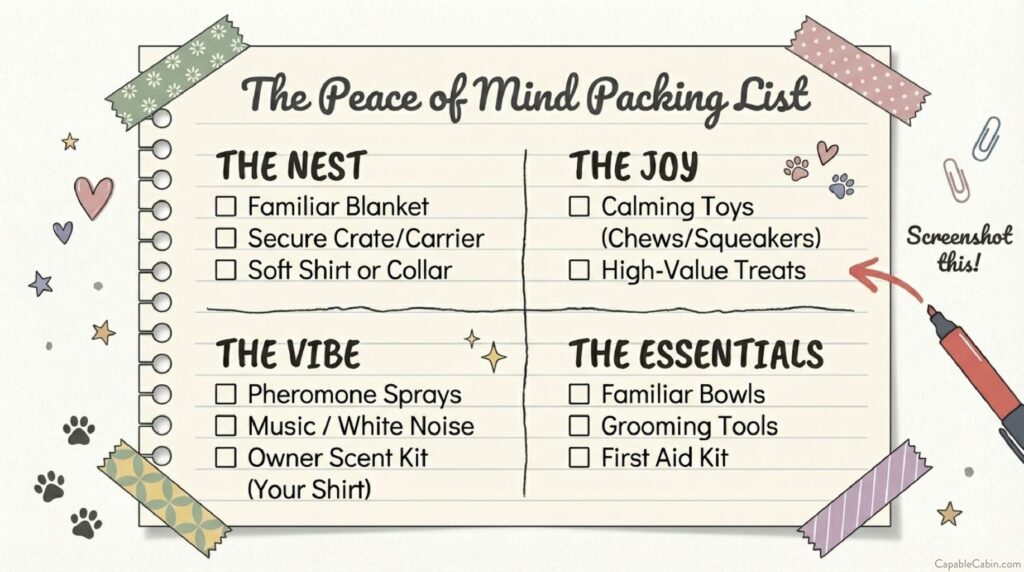
Here’s a quick recap of what we covered:
- A Familiar Blanket
- Calming Toys
- Favorite Treats
- Pet-Safe Scents or Sprays
- Gentle Music or White Noise
- A Secure Crate or Carrier
- A Soft Collar, Shirt, or Anxiety Vest
- Familiar-Style Feeding Bowls
- Soothing Grooming Tools
- A Simple Scent Kit
- A Thorough First Aid Kit
You do not have to gather everything overnight, and you certainly do not have to spend a fortune. Aim to pack items that already bring comfort to your pet in daily life—just in smaller, more portable forms. And do not forget to update and refresh your kit regularly. Your pet’s needs can evolve, especially as they age or if their health status changes.
There will always be moments when life feels overwhelming, but you and your pet can get through the tough spots together. Practice your evacuation routines, let your pets explore their carriers once in a while, and keep your kits close by. If you live in a region prone to certain weather events, take a moment to check specialized tips like earthquake pet preparedness or hurricane pet preparedness. Even a small step now can translate to massive relief later.
Most importantly, do not underestimate your role in keeping your pet calm. When you radiate confidence, offer reassuring words, and have their favorite creature comforts at the ready, your pet feels that you have everything under control. And while emergencies are never fun, with a little organization and a whole lot of love, you and your best friend will be prepared to face anything that comes your way—together.