Flood Preparedness for Pets: Keeping Animals Safe When Waters Rise
Floods can happen faster than we’d like to imagine. One moment, you’re relaxing with your furry friend by your feet, and the next, you’re scanning weather alerts and unsure how to keep everyone safe. When it comes to flood preparedness, pets need as much attention as any other member of your family, because they rely on you to guide them through the chaos of rising waters. It’s understandable if you feel anxious about how to manage it all—we’ve been there too. The good news is, a little pre-planning can go a long way. So let’s explore practical steps for keeping your pets safe, from setting up a flood emergency kit to knowing exactly how (and when) to evacuate. Our goal here is to walk through this together, like trusted friends over coffee, and leave you feeling prepared rather than overwhelmed.
Understand Flood Risks
Why Floods Are So Common
Floods are actually the most frequent natural disaster in the United States, and they can happen in various ways. Sometimes they’re the slow buildup of continuous rain and melting snow, other times they’re sudden flash floods that catch everyone by surprise [1]. The tricky part is that flooding doesn’t necessarily wait for you to have all your ducks (or cats and dogs) in a row. That’s why learning how floods start and how destructive they can be is the first step in getting prepared.
- Coastal areas frequently contend with storm surges.
- Low-lying regions and floodplains often flood after heavy rainfall.
- Flash floods can happen anywhere, especially near streams, rivers, or even in dense urban areas where drainage is poor.
The lesson here is that floods don’t discriminate. No matter where you live, it’s important to keep on top of local weather alerts so your family, pets included, aren’t caught off guard.
Signs You Should Watch
It’s never fun to have the TV or radio telling you that flood warnings are in effect, but that’s your cue to spring into action. Some helpful alerts and resources include:
- NOAA Weather Radio bulletins
- Local Emergency Alert System (EAS) notifications
- Text alerts from U.S. Geological Survey if you live near a river or stream
You might also see changes in your environment, like water rising in storm drains or in nearby fields. Keeping an eye out—especially in rainy seasons—is your best bet. Everyone in your household should know where to get weather updates and what each alert means.
Build Your Pet Flood Safety Kit
Why Two Kits?
If you’re like most of us, you already keep some sort of emergency stash at home, but pets have their own list of essentials. The basic recommendation is to have two separate kits on hand for your furry family members:
- A larger “shelter-in-place” kit with more supplies for extended stays.
- A lightweight “grab-and-go” version that’s easier to carry if you need to evacuate quickly.
Organizations like Ready.gov encourage you to check these kits regularly—especially the food, water, and medicine—to make sure everything is fresh and in good shape. If you’d rather go the DIY route than buy a pre-assembled kit, that’s perfectly fine. The key is consistency and quality of supplies.
Essential Items To Include
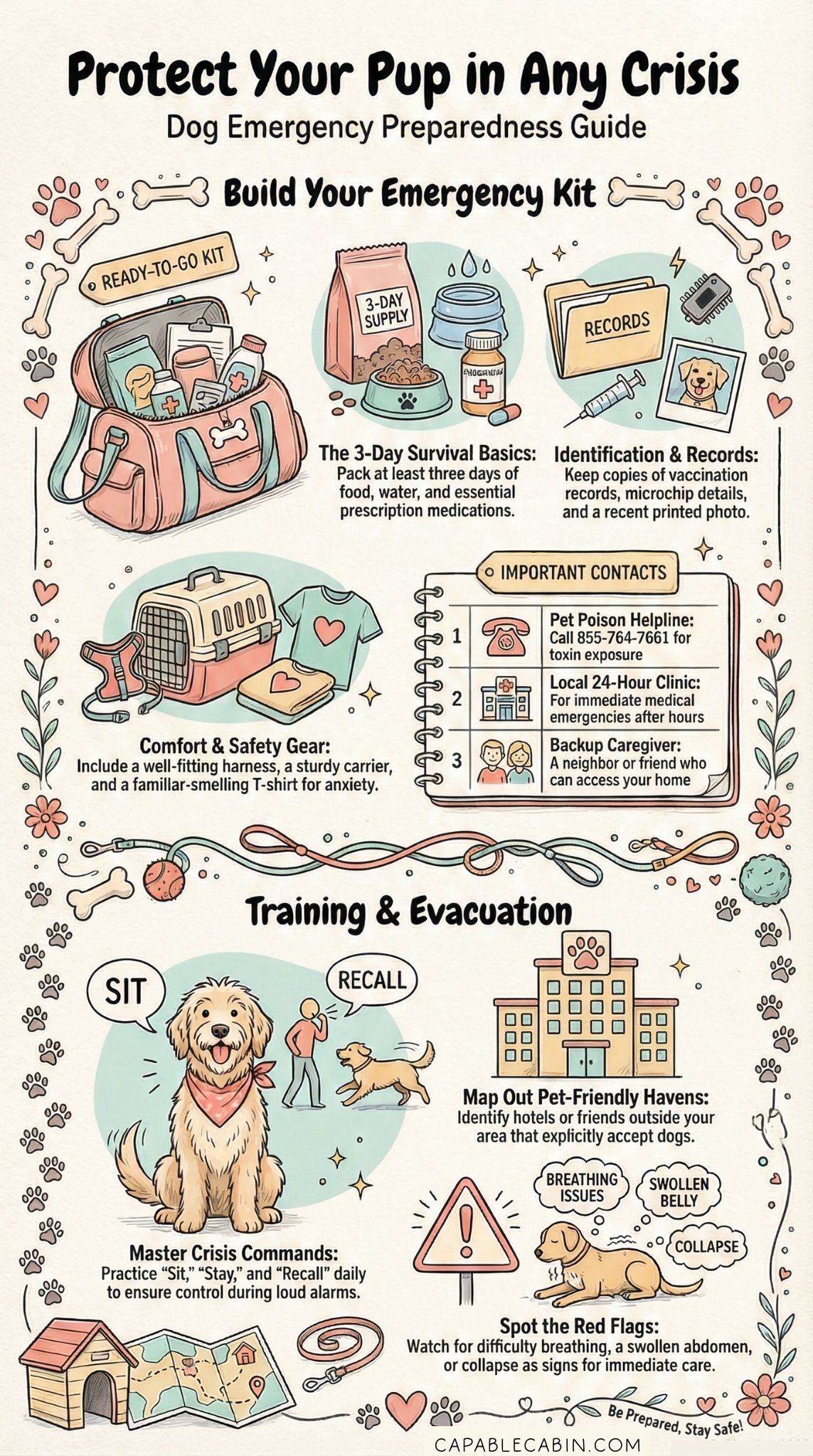
So, what should actually go into these kits? Here’s a handy checklist to get you started:
- Food and Water
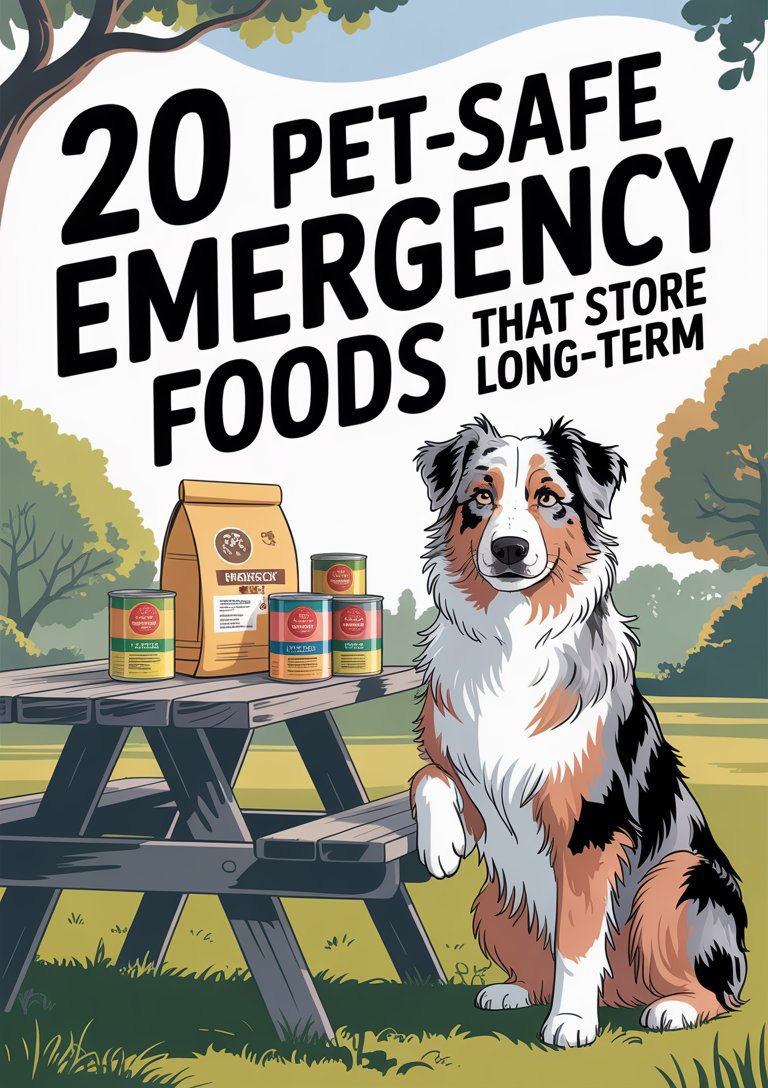
- Dry kibble or canned goods (enough for at least three days)
- Bottled water for your pet if local water sources are compromised
- Manual can opener (if using canned food)
- Medications and First Aid
- Any prescriptions or supplements your pet relies on
- Basic first aid items like bandages, antiseptic wipes, and tweezers
- Consider referencing a more comprehensive resource, like pet first aid kit list, for a detailed inventory
Comfort and Identification
- A blanket or your pet’s favorite small toy to reduce anxiety
- Collar with up-to-date ID tags
- Copies of microchip information, vaccination records, and a recent photo of your pet
Sanitation Supplies
- Waste bags or disposable litter trays
- Paper towels and pet-safe disinfectant for cleaning
Carriers and Leashes
- A sturdy carrier or crate you’ve already introduced to your pet
- Secure leashes, harnesses, or muzzles if necessary
Crafting these kits might feel a little tedious, but trust me, you’ll be so relieved to have them on standby when the water starts rising. Taking these steps also helps you be more confident in the face of any disaster.
Have A Clear Evacuation Plan
Knowing When To Go
Not every flood scenario will force you to leave your home, but sometimes there’s no other choice. If local officials recommend evacuating, listen to them—it’s better to be safe than sorry. The experts at Ready.gov stress that pets should never be left behind, as they can become lost or injured. Even if you believe you’ll only be away for a short while, conditions can change unexpectedly, trapping your animals in a dangerous situation.
Evacuation Routes And Pet-Friendly Shelters
Before a flood even appears on the horizon, do a bit of research on:
- Roads and Detours: Identify two to three possible evacuation routes in case your main path is flooded.
- Pet-Friendly Accommodations: Hotels, motels, or shelters that allow animals (aside from service animals) can be few and far between. Call ahead or check websites in advance to confirm pet policies [2].
If you have friends or family outside the flood zone who are willing to take you and your pets in, that’s often the most comfortable solution. Just be sure to confirm with them early on so you’re not scrambling at the last minute.
Practice Makes Perfect
It might sound a bit over-the-top, but running a quick “flood drill” can really help you and your pets feel less panicked if the real thing happens. Walk through these steps:
- Gather essentials (including your lightweight kit).
- Secure your pet in a carrier or on a leash.
- Follow your planned evacuation route or at least drive part of it.
- Note how long it all takes and what might need tweaking.
This way, if you do end up needing to evacuate, you’ll have a better idea of how your pets behave under stress and what logistical bumps come up along the way.
Pet Evacuation Basics
Evacuating with pets involves extra considerations—like traveling crates and water bowls. You might want to check out pet evacuation planning for dedicated tips on how to handle everything from transport to lodging. Most importantly, keep your focus on you and your animals. Floods can be chaotic, and slowing down enough to safely shepherd your pets into the car can save lives.
Keep Large And Exotic Pets Safe
Horses, Goats, And Pigs
If you’re caring for bigger animals, like horses, goats, or pigs, you already know they can’t just hop in the backseat of your sedan. Making special accommodations for them is crucial. Ready.gov recommends planning specific routes for livestock evacuation and having trailers in workable condition long before flood season arrives.
- Keep halters, leads, and any additional gear near barn exits.
- Practice loading your animals so they’re comfortable getting on and off trailers.
- Arrange alternate care or stabling if your property becomes unsafe.
Exotic Animals
Exotic pets (think reptiles, birds, small mammals, and so on) can be more sensitive to changes in temperature, stress, and water quality. If you’re a caretaker for any of these special companions, consider checking out resources like exotic pet emergency preparedness to ensure you’ve got thermostats, travel enclosures, and specialized food on hand. Reptiles may need extra warmth if you lose power, so pack hand warmers or battery-powered heat pads in your kit.
Don’t Overlook Farm Facilities
Floodwaters can contaminate fields and feed supplies, leaving you in a tight spot later. If there’s any chance you’ll be sheltering large animals in place, stockpile enough feed and fresh water to last at least a week. Elevated storage areas or sealed containers can protect supplies from water damage. Even something as simple as building a small raised platform in your barn can make a difference during minor floods.
Support Pets During The Flood
Minimizing Stress In The Moment
When floodwaters are rising, it’s natural to feel a rush of worry and adrenaline. Your pets pick up on that! They sense your body language, your tone, even your heart rate. Do your best to stay calm, speak softly, and offer comforting words. If you can, keep to routines—like feeding at the same times—to maintain a small sense of normalcy. That routine can help your pet feel more secure.
Some practical tips:
- Use Familiar Items: A known blanket or toy can soothe anxious animals.
- Avoid Crowded Spaces: Limit new faces or chaotic environments that spike stress levels.
- Offer Praise: Even small wins—like staying calm in the carrier—deserve a “Good job!”
Communication With Family And Neighbors
You’re not in this alone, and sometimes a neighbor’s helping hand can make a world of difference. If you have older kids who can safely help handle your pets, assign them tasks such as grabbing carriers or leashes. Talk with neighbors about how you can all assist one another if someone is out of town or incapacitated. Maybe you can agree to check on each other’s pets in case of emergencies. In more extensive family planning scenarios, consider referencing family pet emergency plan for structured guidelines on distributing responsibilities.
Managing Specialized Needs
If your pet needs daily medication or has unique dietary requirements, tighten up your routines to ensure nothing gets skipped. In the commotion, it’s easy to forget a pill or see that your specialized cat food is floating away in a soggy bag. Keep these items somewhere well above floor level, like a high shelf or second floor, for easy retrieval.
Shelter In Place If Needed
When Staying Put Is Safer
Depending on the circumstances, local authorities might advise you to just stay home. This could happen if the flood risk is minor or if the roads are blocked off. In those cases, both you and your pets should ride out the flood together. According to Blue Cross, if you cannot evacuate and must leave pets behind temporarily, keep them shut in an upstairs room with abundant food and water. Still, leaving them alone is a last resort—a buddy system or neighbor check can be a lifesaver if you’re forced to step away.
Creating A Safe Zone
If you have time before floodwaters reach your home, identify a spot inside the house where you can corral everyone:
- An upstairs hallway or spare bedroom is ideal.
- Move essential supplies (food, water, medication) there so you’re not wading through water later.
- Keep carriers nearby in case you need to move quickly.
Remember that water can cut off your access to entire floors, so planning for an upper-level area is key. If your home is single-story, place items on shelves or counters to keep them dry.
Handling Power Outages
Flooding often leads to power outages. Consider your pets’ temperature and lighting needs. If you have reptiles or fish that require heaters, a battery-powered backup source or generator might be necessary. Even short-haired dogs and cats can become chilled in a damp environment. Keeping a few extra blankets, or even cozy sweaters for smaller dogs, is a simple but effective measure.
Staying Informed
Sticking around for a flood doesn’t mean going off the grid. Weather monitoring will be crucial. Continue to check for alerts or rising water levels that might change your plan. Keep a charged phone or radio handy, and if you anticipate losing electricity, fully charge any power banks.
Navigate Post-Flood Challenges
Safety Checks Before Reentry
Once the waters recede, you may be eager to get outside or return home if you evacuated. But proceed with caution. Standing water can hide sharp debris, chemicals, or even downed power lines. That’s not something your pet needs to be walking through. Be sure to:
- Wear protective footwear to check your yard and common areas.
- Inspect walls, floors, and fences for structural damage that could let pets escape.
- Dispose of any contaminated food, pet, or other items that came in contact with floodwater.
The American Red Cross also reminds us that pets may be defensive or stressed in the aftermath of a disaster, so keep a watchful eye on changes in their behavior.
Watch For Health Changes
Floodwaters often carry bacteria and toxins. If your cat or dog spent any time near or in floodwater, keep an eye out for signs of illness such as vomiting, diarrhea, or lethargy. In Columbus, Ohio, for instance, 24-hour emergency vet care is available at facilities like MedVet Columbus and The Ohio State University Veterinary Medical Center [3]. Having a go-to emergency vet is something you want to figure out well before the crisis, so you can go directly there if something seems off.
Emotional Recovery For You And Your Pet
It’s not surprising that experiencing a flood can rattle everyone’s nerves. Your pets might cling to you more or act out. Sometimes they become jumpy around loud noises, or a normally outgoing pet might hide under the bed for days. Try to create a calm environment:
- Soft background music or a gentle TV show
- Low-key routines (regular feeding and walks)
- Short check-ins to praise your pet for relaxed behavior
Give them time to adjust to normal life. If behavioral issues persist, consult your veterinarian about possible anxiety treatments or training advice.
Additional Tips And Resources
Microchipping And Identification
In the chaos of a flood, a collar can slip off, which is why microchipping is a game-changer. Organizations like Found Animals emphasize the importance of up-to-date registration info to help reunite pets and owners. Be sure to update any changes to your address or phone number.
Animal Control And Shelters
Local animal control and rescue groups often collaborate to house pets after a disaster, offering food and medical care. They coordinate with firefighters, nonprofits, and community volunteers. If your area is hit hard, these groups might be your lifeline. In certain situations, you may find these organizations on social media pages posting urgent updates or pleas for foster homes.
Budget-Friendly Preparedness
If finances are tight, there are still ways to keep your pets protected. Look for local pet food pantries or donation-based vet clinics to stock up on essentials. If you’re on the hunt for more cost-saving measures, you might explore budget pet emergency preparedness for ideas on stretching every dollar.
Disaster-Specific Guidance
Floods aren’t the only concern lurking, and you may live in an area susceptible to multiple threats—from earthquakes to hurricanes. For more targeted information, you could check out disaster specific pet preparedness to create a well-rounded plan. Having strategies for various scenarios helps ensure that, whether it’s water, wind, or earth shaking below your feet, you and your pets are equally ready.
Community Networks
It helps to have neighbors, friends, or online groups to share tips or resources. Community-driven resources may also step in when official channels are overwhelmed. Social media platforms, such as lost-and-found pet groups on Facebook, can be invaluable for reuniting displaced animals with their families [4].
Wrap Up And Move Forward
Flood preparedness might feel daunting, but remember, you’re not doing this alone. We all want to keep our pets safe, and every preventive step—even the small ones—adds up. Make it a point to look at your location’s flood risks, gather the right supplies in a pet-friendly emergency kit, and map out your best evacuation routes. If you have large, exotic, or multiple pets, factor in their needs too. Plan those logistical details now, because you don’t want to be scrambling at the last minute when the waters rise.
When floods do come, trust the prep you’ve done. Speak calmly to your pets, have carriers ready, and stay flexible on your evacuation routes. If you’re told to stay put, make sure you have a snug, dry spot that keeps everyone close and comforted. And once the storm clears, take a deep breath. Evaluate your surroundings before letting pets roam, watch for any sign of illness or distress, and keep in contact with neighbors and local resources.
In the end, the most important part is that you and your pets remain safe. Floods might turn your routine upside down, but thorough planning and a reassuring presence can keep your furry companions from harm. You’ve got this—because you’ve taken the time to learn, prepare, and gather support. Remember, we’re in this together, and your pets are counting on you to guide them to higher, safer ground. If you find yourself needing more specialized tips—say, for an elderly pet or to create an evacuation plan for multiple animals—take a look at guides like multi-pet emergency preparedness or senior pet emergency preparedness. Lean on these resources, stay informed, and know that every proactive step you take substantially reduces risk and worry. Keep going. You’re doing a great job ensuring your pets’ safety, even when the waters rise.