Building Community Pet Emergency Response Networks
Whether you live in a bustling city or a quiet rural town, it can feel overwhelming to think about what might happen if a disaster or sudden emergency strikes. When it comes to pets, that concern can double in intensity—after all, they rely on us for everything.
A community pet emergency response network helps ensure that no one is left scrambling at the last minute, wondering where to go or who to call when the unexpected happens. And trust me, it doesn’t take a massive, official organization to make a difference. Sometimes it just takes you, a handful of neighbors, and a simple plan to protect the animals you cherish.
At first, you might wonder if it’s even your place to start something like this. But here’s the secret: you have plenty of experience just by caring for your own furry (or feathered, or scaly) companions. We’re in this together—neighbors, friends, and families who want to keep everyone’s pets safe. And by joining forces, you can pool resources, tap into shared knowledge, and step up to help one another well before a crisis arrives.
So let’s explore how you can bring folks together, build a small volunteer network, and develop a lasting plan for community pet emergency response. Because at the heart of it all, we’re just a group of pet lovers looking out for each other.
Understand Community-Based Efforts
Most of us have experienced that rush of uncertainty when something goes wrong: a power outage that lasts all night, flash flood warnings, or news of a fast-approaching hurricane. Your first instinct is to keep your family safe. But what about your pets, and the pets in your neighborhood? Community-based pet efforts aim to solve that question by bringing people and resources together, so nobody is left struggling alone.
Why Community Involvement Matters
There’s power in numbers. When you collaborate with fellow pet owners, you gain collective wisdom and practical help. Perhaps your neighbor has extra crates, or someone else has local veterinary connections. These relationships often expand beyond your immediate circle, linking you with local shelters, rescue groups, or first responders. For instance, organizations like Lollypop Farm’s Animal Emergency Response Team and the Animal Rescue Team highlighted by America’s Charities show the difference that trained volunteers can make in large-scale emergencies. The same principle applies in your own sphere, even if you’re starting small.
Common Emergencies to Keep in Mind
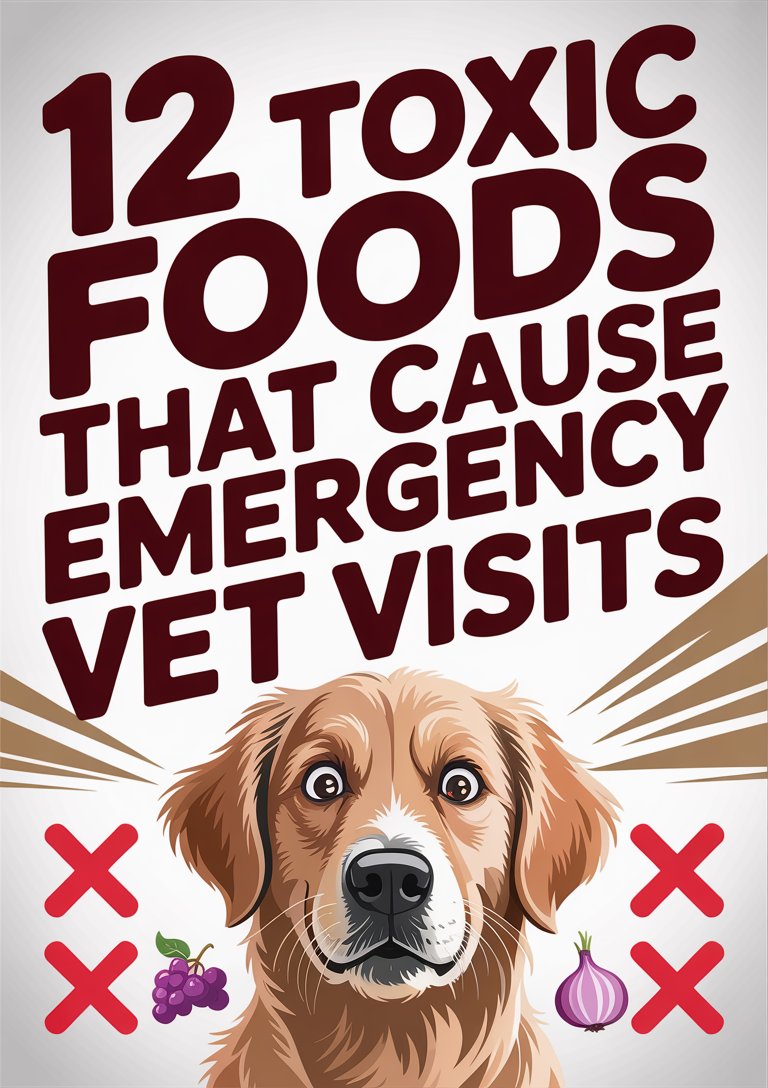
When you’re forming a neighborhood plan, it helps to know what scenarios you’re most likely to face. Hurricanes, wildfires, and winter storms often top the list, though localized risks—like flash flooding or tornadoes—can loom large. In other cases, your biggest threat might be a widespread power outage after a heavy storm. It’s also crucial to be prepared for any medical emergencies pets might face, from ingesting toxic foods to experiencing severe injuries. If you need a quick rundown of the signs to watch for or the most frequent dangers, you can check out common pet emergencies.
Keeping It Comfortable and Doable
There’s no need to morph into a 24/7 pet response hotline. Instead, think of creating a relaxed, family-like safety net. You could meet for coffee to chat about simple first steps, or gather after work to share tips on assembling emergency kits. The main goal is to reduce panic and indecision if disaster strikes. Trust me, once you start discussing these plans with locals, you’ll realize you’re all on the same page—no one wants to see a beloved animal left behind or in danger.
Form A Volunteer Group
You might wonder how many folks it takes to create a meaningful community pet emergency response. Honestly? Even two or three dedicated neighbors can lay the groundwork for real solutions. The trick is to welcome anyone who’s interested—parents, retired neighbors, local teens, or even folks who don’t currently have pets but want to help. Everyone has a skill or resource to share.
Start Small and Spread the Word
Maybe you already have a group text with people on your block. Or perhaps your community has a neighborhood social media page. A simple post could say: “Hey there, thinking of starting a pet emergency response group—who’s in?” You might be pleasantly surprised by how many want to join. Once you have a handful of interested folks, schedule a laid-back meeting (sometimes a virtual call is easiest) to brainstorm next steps.
- Discuss each person’s pet type. If someone has birds, rabbits, or reptiles, that opens discussions about exotic pet emergency preparedness.
- Talk about any special skills. Maybe there’s a vet tech living next door, or a fireman down the street who’s trained in rescue.
- Consider designating informal roles. One person could handle communication, another might track supply checklists, and so on.
Emphasize Shared Responsibility
One of the biggest hurdles is fear of being solely responsible. Make it clear that nobody is expected to shoulder all the work. Each member can do their part, whether that’s organizing the supply drive, researching local shelter info, or reaching out to community leaders. Think of it like a potluck—everyone contributes what they can, and together you form a full meal. And if being a lead organizer isn’t your thing, you can still help in countless ways—offering your garage as a storage spot for extra crates or volunteering to design an emergency contact sheet.
Build Trust and Camaraderie
While your mission is serious, the tone doesn’t have to be grim. Focus on warmth, support, and humor. These are your neighbors, after all! Host small get-togethers (whether in-person or online) where folks can openly share concerns, ask silly questions, and laugh about the unexpected things pets do. That sense of camaraderie becomes crucial if a real crisis hits—when you’ve formed bonds, you’re far more likely to look out for each other’s animals and keep stress levels as low as possible.
Secure Essential Resources
A primary reason many pet owners panic during emergencies is that they don’t have basic supplies ready. Building a stash might feel like a big undertaking, but when everyone pitches in, it’s manageable and even budget-friendly. And let’s face it, there’s strength in community: you can swap tips on deals, share bulk purchases, or exchange gently used items.
Make an Inventory of Must-Haves
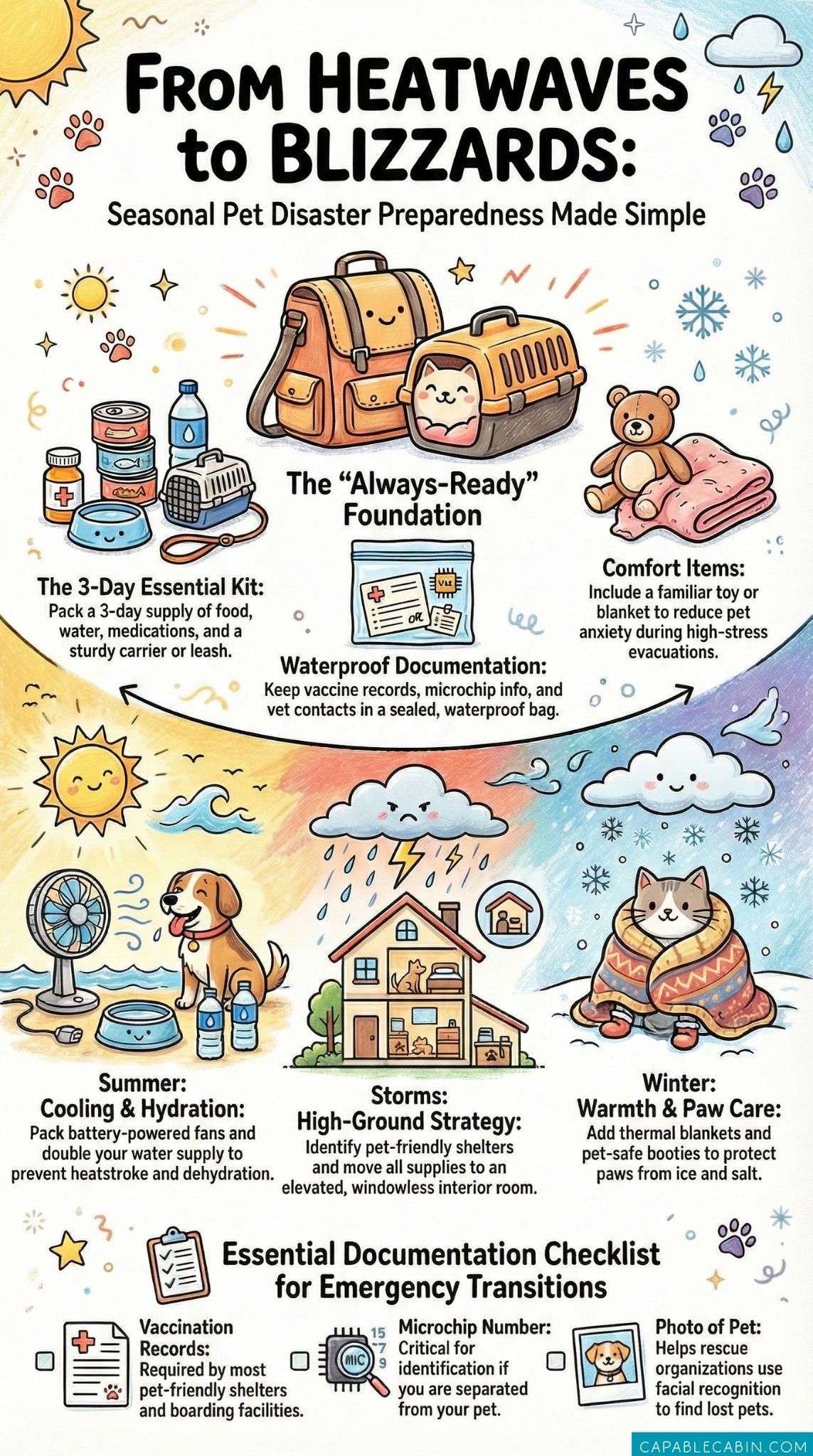
Start with the basics. You know your pet needs food, water, and a comfy carrier at a minimum. From there, consider items like extra leashes, blankets, and medication. Don’t forget ID tags and microchip information—keeping identification current is vital, as recommended by Tier 1 Vet. For a ready-made list of what might go into a first aid kit, try reviewing the pet first aid kit list. When you create a single “master list” for your group, you help everyone see what’s most crucial.
Here’s a quick table to jumpstart your planning:
| Item | Purpose |
|---|---|
| Extra Pet Food | Prevents running out mid-crisis |
| Bottled Water | Ensures pets stay hydrated |
| Medications & Copies | Critical for chronic conditions |
| Collar/ID Tags | Increases chance of reunion |
| Crates or Carriers | Easy transport and safe containment |
| Comfort Items | Reduces stress in unfamiliar settings |
Share and Save Together
Not everyone can afford to keep multiple carriers or buy months’ worth of premium pet food in advance. That’s where group collaboration helps. One person could store a few collapsible crates for neighbors, while another might keep extra water jugs. Some might have connections at local stores that can donate or discount pet supplies. If you’re on a tight budget, check out budget pet emergency preparedness for wallet-friendly ideas. The goal is to minimize last-minute scrambles by pooling resources, so you all have what you need.
Keep Supplies Up to Date
Supplies can expire, or sometimes get borrowed and not returned. Assign one or two volunteers to track and rotate items. Maybe every six months, you plan a “check your gear” day. If you notice you’re running low on food or certain meds have expired, you can restock together. Doing it as a community also feels less like a chore—plus, you’ll have a reason to catch up and reassure each other that your systems are still on track.
Collaborate With Local Experts
While neighbors and friends are a great starting point, don’t forget to loop in professionals who deal with animals or emergencies every day. These experts can help streamline your plan and prevent common pitfalls, especially if you’ve never navigated a crisis with pets before.
Contact Local Veterinarians and Shelters
Veterinarians have firsthand experience with signs of pet medical emergency, so they’re a goldmine of info on how to act fast when health issues pop up. Ask if they’d be open to hosting a short workshop for your group—talking about, say, how to handle minor wounds or what to do if a pet ingests chemical toxins. Local shelters also understand the challenges of evacuating multiple animals. They may offer guidance on quick-check processes or share best practices from their own emergency drills.
Tap into Municipal and Regional Resources
Your town’s emergency management office might already have guidelines for pet evacuation. These guidelines often align with organizations like the Red Cross. Arrange a quick call or email to see if they have any pet-specific documentation, like shelter lists or updated evacuation routes. Even simple details—such as which public shelters accept pets—can be the difference between a smooth relocation or a frantic search for lodging at the last minute. You can also explore pet evacuation planning resources for more ideas.
Learn About Larger-Scale Efforts
Some emergencies need big solutions. For example, large wildfires or hurricanes might call for specialized teams like an Animal Emergency Response Team. Remember that local or state government can request help from groups like Lollypop Farm’s A.E.R.T. or the Animal Rescue Team from America’s Charities if conditions become dire. By connecting with these entities in advance, you’ll have a clearer sense of how they coordinate and how your local network can assist in smaller ways until professional help arrives. Again, it’s about building relationships before anything dire happens, so everyone has a plan.
Practice Disaster Drills
No one wants to imagine what a major emergency might look like, but running a few practice scenarios can ease your mind. It doesn’t have to be super formal—imagine it as a neighborhood activity where you walk through the steps, from gathering supplies to loading pets into vehicles.
Map Out Possible Scenarios
What’s the worst that could happen in your area? Maybe it’s hurricanes or winter storms or both. Sketch out a scenario: “There’s a hurricane warning in effect, and we have 12 hours to evacuate.” Then walk through the logistics. Where would you take your pets? Which roads or highways are usually open? Who’d you text first or second for help? Having this mental run-through means you’re less likely to freeze up if those test scenarios become real.
Run a Mock Evacuation
If your community’s pet emergency response group wants to go the extra mile, conduct a mock evacuation day. Everyone tries to gather their pets and supplies, and you practice traveling to a designated safe spot—maybe the local community center or a church that allows pets. Setting aside even a couple of hours to do this can reveal areas where you need improvement, like missing crates or difficulties with large dogs. It also helps your pets get used to being in carriers or on the road.
Use Every Drill as a Teaching Moment
Think of each practice run as an opportunity to learn and adapt. If you discover that your cat’s carrier is actually way too small, you’ll be grateful you found out on a sunny weekend afternoon, not when the floodwaters are rising. Share feedback with the group—do you need more help wrangling young kids and pets simultaneously? Did you realize you need lighting if you have to evacuate at night? You can also check out family pet emergency plan resources for tips on juggling children’s responsibilities during a crisis.
Set Up Communication Channels
Clear communication is crucial in any community effort. When emergencies strike, cell towers might get overloaded, and social media can become a flurry of confusing updates. That’s why it’s important to establish multiple ways of exchanging info—before everything goes haywire.
Choose Primary and Backup Methods
First, decide on a key mode of communication. That might be a neighborhood group text, a messaging app like WhatsApp, or a simple email list. Then create a plan B. Maybe that’s walkie-talkies or a phone tree. By clarifying these channels ahead of time, you avoid wasting precious moments figuring out how to send an alert.
Create a Contact List
Put together a simple contact list that includes:
- Names and phone numbers of all volunteers
- Email addresses (if people prefer that)
- Addresses, in case you need a quick check on someone’s home
- Vet clinics’ after-hours numbers
- Emergency shelters or rescue resources
Share this list in both physical and digital form, so you’re not reliant on just one format. Keep it updated too. If someone moves, or the local vet closes shop, revise your list promptly.
Coordinate with Broader Networks
Your group might connect with local rescue agencies or the fire department’s community outreach program. If so, get a representative’s contact info so you can quickly pass along updates on local conditions. According to Tier 1 Vet, emergencies can escalate fast, and having a direct line to professionals can speed up response times. Just remember that while professional help is key, your neighborhood network can still function effectively on its own until outside assistance arrives.
Plan Pet-Friendly Evacuations
One of the biggest worries during widespread disasters—like hurricanes or wildfires—is simply not knowing where you can safely go with your pets. Many standard shelters or hotels aren’t automatically pet-friendly, which can lead to confusion and panic at the worst moments.
Pre-Identify Safe Havens
Talk to local hotels, motels, and potential shelters about their pet policies. Record any that are open to animals—it might be as simple as a couple of phone calls to confirm. If you live in a region prone to hurricanes, check out hurricane pet preparedness for additional guidance. Pet-friendly shelters might require you to bring a crate or updated vaccination records, so be sure your group is aware of such requirements well in advance.
Plan for Special Cases
Do you have neighbors with large dogs, a cat colony, or farm animals? They may require different evacuation strategies. Don’t forget about rural pet emergency preparedness if you have horses, goats, or livestock in the area. Also consider seniors or people with mobility challenges who might struggle to evacuate quickly. Creating a buddy system can ensure that no one is left behind because they couldn’t load up crates by themselves.
Set Clear Guidelines for Departure
Nothing beats having a step-by-step plan in place:
- When to Leave: Decide on a trigger point. For example, “If the National Weather Service issues a mandatory evacuation, we go.”
- Gather Supplies Quickly: Have go-bags ready (yours and your pets’). If needed, reference your group’s master list or the pet first aid kit list.
- Confirm Lodging: Notify your designated shelter or hotel you’re coming.
- Update Neighbors: Post a quick message on your group’s chat so they know if you’ve safely evacuated, or if you need last-minute help.
By rehearsing these steps, you’ll be less likely to forget essentials—like a cat’s favorite blanket or vital medications—when the pressure is on.
Offer Post-Disaster Support
Even after the main crisis passes, life might not snap back to normal. Flooded streets, damaged homes, or extended power outages can linger. That’s when your group’s community pet emergency response sparks back to life, offering emotional support, practical resources, and a sense of unity.
Check for Emotional and Behavioral Changes
Pets often feel traumatized after a stressful event. They might act fearful, aggressive, or anxious. Keep an eye on each other’s animals for signs of distress. According to the Red Cross, it’s common for pets to show unusual behaviors after disasters. Gently reassure your neighbors that these mood swings are often temporary. Offer tips like setting up a quiet room for pets to decompress or using comforting items, which you can find in a pet emergency comfort items checklist.
Coordinate Clean-Up and Support
Damaged fences, debris-strewn yards, and contaminated water sources can pose ongoing risks for animals. Your group can schedule a cleanup day to make sure backyards and streets are safe again. You could also distribute any leftover supplies—like pet-safe water or extra food—to neighbors who might be short. If people have lost income or housing, point them toward resources such as local food banks or nonprofits that assist with animal care.
Revisit the Plan for Next Time
As tough as it might be, this is the time to evaluate what went right and what didn’t in your response. Did you run out of any critical supplies? Did half the group lose contact during the storm because cell service died? Make notes so you can adjust and be even better prepared for future incidents. Consider referencing maintain pet emergency preparedness for tips on keeping your plan updated and relevant.
Keep Your Network Active
The biggest challenge to any community-based effort is momentum. It’s easy to rally when something scary hits the headlines, but once calm returns, interest can fade. The trick is to keep everyone engaged with light, friendly reminders and small-scale activities throughout the year.
Host Seasonal Readiness Events
Taking a page from the seasonal pet preparedness calendar, you could hold mini-events or check-ins before each big weather season. In spring, maybe focus on wildfire tips or flood preparedness. In winter, highlight vehicle evacuation routes for snowstorms. These gatherings don’t need to be lengthy or complicated—just a quick catch-up to confirm that supplies are fresh and your contact list is updated.
Encourage New Members
Communities change. People move away, and new families arrive. Make it a habit to welcome newcomers with a friendly introduction to your pet emergency group. Give them a one-page overview or include them in the group chat. Point them to resources like pet evacuation planning or disaster specific pet preparedness, so they can see the variety of scenarios you’ve considered.
Celebrate the Little Wins
If you’ve all managed to keep your emergency kits stocked for a full year, celebrate that! Did someone adopt a new dog or cat, and find them a microchip? Awesome—recognize their efforts. Maybe your group found a new place to store supplies, or your local shelter partnered with you on a spay/neuter outreach. When you highlight accomplishments, you inspire continued participation. After all, everyone likes knowing their contributions count.
At the end of the day, building a community pet emergency response network isn’t about being perfect or micromanaged—it’s about folks coming together for a meaningful cause. When you exchange knowledge, share resources, and practice empathy, you’re not just preparing for emergencies; you’re weaving stronger social bonds that benefit you year-round. Sure, emergencies might be stressful, but going through them alongside caring neighbors and friends can make an enormous difference. Whether it’s a wild winter storm or a neighborhood power outage, you’ll find comfort in knowing someone’s got your back—and your pet’s back too.
So, take that first small step. Reach out to a neighbor, start a conversation, gather a few supplies, or schedule an informal meetup to talk about all things pet preparedness. Remember, even the simplest efforts can be life-changing when done together. Keep going, keep learning, and before you know it, your entire community will be more resilient, more prepared, and more confident in the face of whatever comes your way. You’ve got this, and if you ever doubt yourself, just look to that wagging tail or that content purr—our pets are counting on us, and we’re in this together.