Your Familys Financial Emergency Response Plan
Understand Your Emergency Needs
When you think about going through a sudden crisis, it’s easy to feel that weight pressing on your shoulders—especially when it comes to money. You might be juggling questions like, “How do I cover essential expenses if I have to evacuate?” or “What happens if I lose my source of income?” This is where a solid financial crisis action plan can make a world of difference. It’s essentially a road map for you and your family that lays out how to protect your finances when life takes an unexpected turn.
Let’s be honest: emergencies hit when you least expect them. Whether it’s a natural disaster, medical emergency, or sudden job loss, things can spin fast if you’re not prepared. And here’s the thing—working on a plan doesn’t have to be overly complicated. It’s often more about simple steps taken consistently than about fancy spreadsheets or complicated formulas. Once you understand your family’s specific needs, you’ll feel less overwhelmed and more equipped to take action.
The first step is acknowledging that every household is unique. Your family might have little kids with special needs, or you might care for elderly relatives who require medication. Maybe you’re a single parent balancing a full-time job and child care. Or perhaps you’re living in an area prone to hurricanes, earthquakes, or related hazards. All those details matter. They’ll help you prioritize what you need most when emergencies strike.
Even if you only have a few minutes here and there, you can still start building a plan that fits your life. For instance, some families keep an evacuation emergency fund ready in case they need to relocate quickly. Others set aside resources specifically for healthcare emergencies. All that truly matters is that you begin from a place of clarity. Ask yourself: “What’s absolutely critical for my situation?” and “Which tasks can I tackle right away?” You may find you already have some pieces in place, like a small rainy-day fund or basic insurance coverage. Great—use that as your foundation. From there, it’s about filling in gaps so you can weather financial storms without panicking.
Once you’ve reflected on what your family specifically needs, you can approach the rest of this plan with a confident mindset. Let’s dive into how you can gather vital documents, build a cushion of funds, and prepare for possible evacuations. We’re doing this step by step, so trust that you’re on the right track. Before long, you’ll have a comprehensive framework that can help keep your family safe in the face of any crisis.
Gather Critical Financial Documents
After pinpointing where you stand and what your family needs most during an emergency, the next step is to round up every crucial piece of financial information you might need in a pinch. Imagine scrambling to leave home quickly during a wildfire or hurricane—looking for scattered documents in that moment is the last thing you want to do. Having a streamlined system to manage all your financial records can spare you loads of stress (and potential drawn-out headaches) later.
Identify Must-Have Papers
Think of the documents you’d absolutely need if you had to rebuild your financial life from scratch or prove your identity and assets under pressure. Start by checking whether you have:
- Identification: Copies of driver’s licenses, passports, Social Security cards, and birth certificates for each family member
- Property Records: Deeds, mortgages, or rental agreements that show where you live or what you own
- Insurance Policies: Homeowners, renters, auto, and life insurance details, plus contact info for insurance providers
- Financial Accounts: Bank statements, investment documents, retirement account information, plus contact numbers for each institution
- Bills and Debts: Current loan statements, credit card balances, and payment schedules
- Estate Documents: Wills, living wills, powers of attorney, or any trust documentation
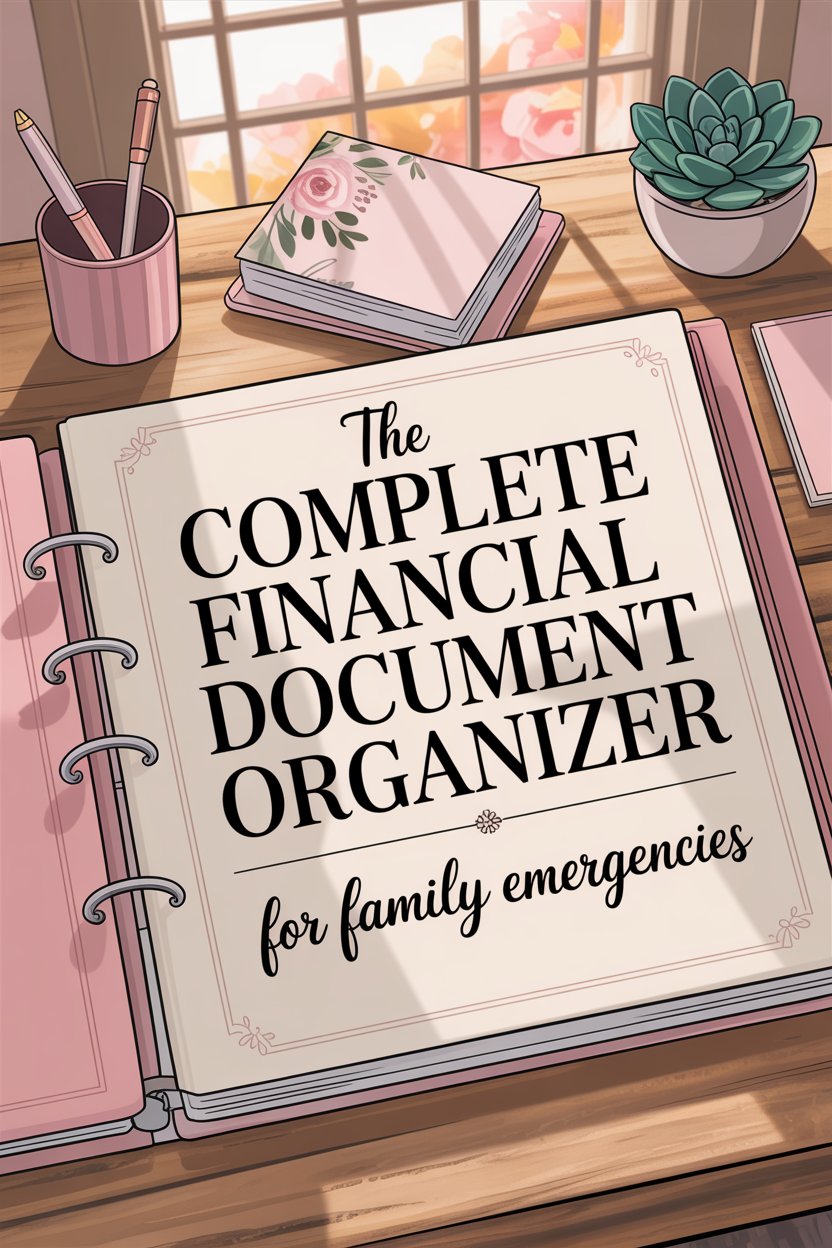
Keep these documents in a sturdy, water-resistant folder. If you want to level up, you can package them into a financial evacuation go bag ready to grab at a moment’s notice. If you’re unsure how to compile these neatly, remember that anything verifying ownership, identity, or critical finances might come in handy. It’s better to have them ready to go rather than dig around while stress levels are high.
Keep Digital Copies Secure
Physical papers are great, but it’s also wise to back them up digitally. One approach is to scan your documents into PDF form and store them securely—whether in a password-protected folder on your computer or in the cloud. This ensures you’ll have access, even if you can’t get to your home or belongings.
When you save these files, give them clear, logical names so that if you’re hunting for them from a phone or borrowed laptop, you can easily find what you need. For an added layer of security, consider adding encryption to your documents using reputable software, or place them in a locked folder on a cloud platform that requires two-factor authentication.
Don’t forget to extend this digital strategy to any paperless statements for your credit cards, insurance, or investment accounts. Being mindful now spares you from the scramble to remember logins during the confusion of an emergency. Together, these measures help you keep your financial life accessible and protected, even if you’re on the move.
As you gather and securely store your financial records, you’ll start feeling more relaxed knowing that you’re one step closer to a robust safety net. It’s all part of ensuring that, when life tosses you a curveball, you aren’t left digging through old boxes or rummaging in a frantic rush. You can just grab your folder or log in to your chosen platform, and carry on with confidence.
Build a Reliable Emergency Fund
A crucial part of your financial readiness is focusing on an easily accessible stash of funds. Emergencies rarely send a polite email announcing their arrival. One day, you might be dealing with a flooded basement or forced to relocate because of a natural disaster. Having some savings you can dip into right away will cushion these unexpected blows.
Start with Small Steps
You might have heard the typical recommendation to save three to six months of living expenses for a rainy day. That’s a great goal, but it can be overwhelming if you’re currently juggling bills, kids’ activities, and day-to-day essentials. Don’t stress—it’s completely fine to start small. Even $20 or $50 a month, set aside specifically for emergencies, adds up over time.
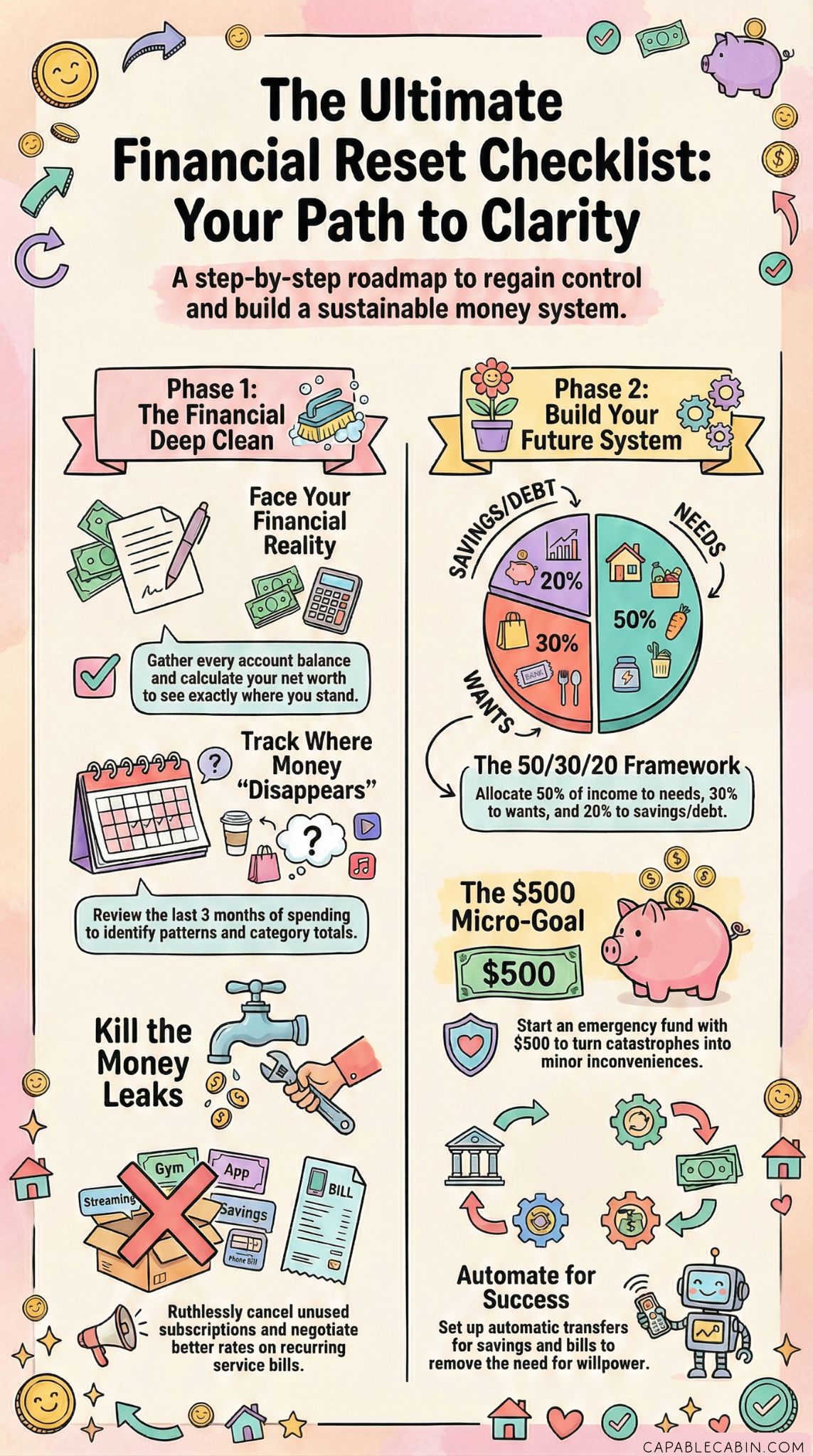
If you’re feeling stretched, look at your budget to see whether there’s any way to trim a few small expenses. Maybe it’s a streaming subscription you barely use or frequent takeout orders you can reduce by cooking at home more. Direct that money to your emergency fund instead. Each little deposit brings you closer to a place of security.
Consider a Dedicated Account
To avoid mixing your emergency savings with everyday spending, it might help to open a separate bank account where you only deposit “just in case” money. That way, you aren’t tempted to dip into it for non-emergencies—like that tempting online sale. A separate account also makes it easier to see your progress grow. Some families call theirs a financial recovery emergency fund, because it reminds them exactly what that money is for: bouncing back from emergencies.
Automatic transfers can be a game-changer. If your paycheck arrives via direct deposit, arrange for a portion of it to go straight into this dedicated fund before you even have a chance to notice the money. It’s a form of paying yourself first. Over time, you’ll be surprised at how the balance builds with minimal effort or stress.
Plan for Different Emergencies
Not all emergencies are created equal. Maybe you’re more concerned about natural disasters and evacuations than about a potential job loss, or vice versa. Once you have a basic emergency fund, consider adding savings specifically tied to each scenario. For example, you might designate extra for evacuation expenses, such as temporary lodging or transportation. Others might focus on job-loss buffers. Try whichever approach resonates most, but the point is to have some structure to how you’re saving. That structure can calm a lot of the “What if?” fears.
The bottom line: an emergency fund is like your personal shock-absorber, preventing a bad situation from spiraling into a financial meltdown. It gives you the freedom to handle immediate problems—fixing your leaky roof or paying for a hotel room—and then tackle the bigger crisis with a clear head. Think of it as one of the strongest pillars of your financial crisis action plan. You’ll not only survive tough events, but also bounce back faster.
Prepare for Crisis Evacuations
Sometimes, an emergency demands you leave the comfort of your home in short order. Whether it’s a storm rolling in or a mandatory evacuation alert, being forced to pack up and head out can throw your daily routines—and your bank account—off balance. That’s why it’s smart to plan for potential evacuations in advance, so you’re not left scrambling when the time comes.
Create a Budget for Evacuations
Evacuations can get pricey quickly. Between lodging, gas, food, and unexpected fees, costs can add up, especially if you have a larger family. Try to get a rough sense of how much an evacuation might cost you for a few days or even a week. Having a budget evacuation planning strategy can help you estimate expenses like:
- Hotel stays or short-term rentals
- Extra fuel costs
- Meals and groceries on the road
- Boarding fees for pets if required
- Vehicle maintenance if you’re traveling long distances
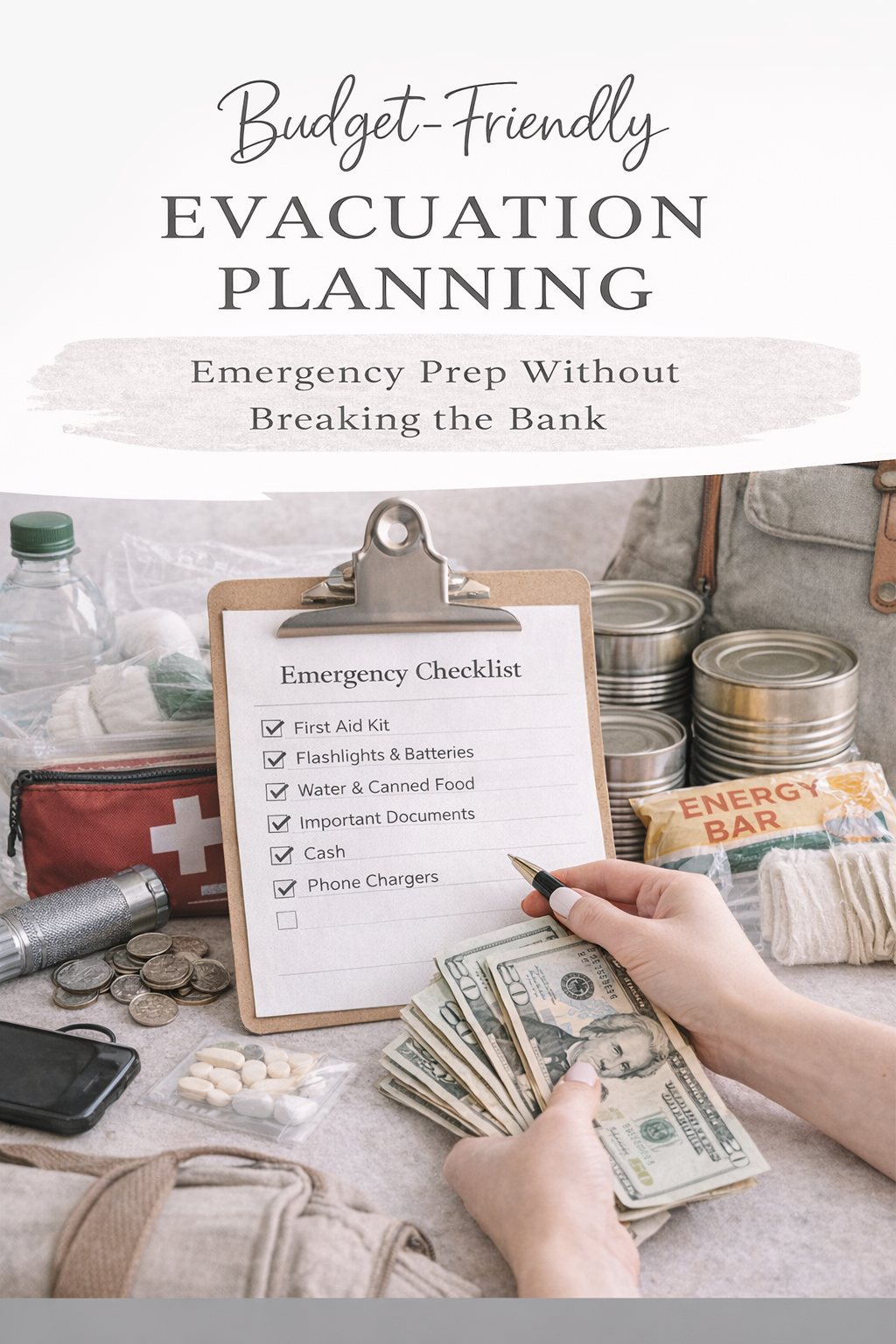
You don’t need an exact number—just a ballpark. That way, you can set money aside specifically for these costs and avoid emptying your primary emergency fund. Some people keep cash in their evacuation budget breakdown because certain situations might leave you with limited access to ATMs or online transactions.
Develop an Evacuation Plan
If you actually need to leave in a hurry, it helps to have a clear blueprint. Jot down your chosen evacuation routes to safer areas, and keep track of hotels, shelters, or relatives’ homes along the way. This is also the time to talk with your family about how everyone will regroup if someone’s at work or school when the order to leave is issued.
Consider making a quick “grab list” of what you’ll take with you, focusing on essentials: medication, device chargers, clothing for a few days, and those previously gathered financial documents. If you have them in a financial evacuation go bag, the process becomes even smoother.
Evacuation Funds vs. Main Savings
You might wonder if these evacuation funds should be separate from your everyday emergency fund. It can be helpful, especially if you live in a high-risk region. Having a clearly labeled evacuation emergency fund makes it easier to see exactly how much money you could commit to an evacuation without derailing other financial safety nets. Or, if you prefer simplicity, keep it all in one major pot but note how much you’ve earmarked for evacuation and how much for general emergencies. As long as you know what’s what, you’re already a step ahead.
Ultimately, the best evacuation plan is one your family fully understands. You don’t want confusion when alarms are blaring or text alerts are telling you to move fast. So keep everyone on the same page. That way, if a crisis hits, you’ll all be ready to go with minimal financial strain, feeling more secure about taking care of each other during the chaos.
Safeguard Digital Finances
In our era of paperless bills and online account statements, a crisis can become doubly overwhelming if you suddenly lose access to your digital accounts. Whether it’s your online banking system, a budgeting app, or your digital wallet, all those tools need protection before, during, and after a disaster. Worrying about hacked accounts or forgotten passwords mid-emergency is one headache you don’t need.
Store Logins and Passwords
We’ve all been there—situations where you need to log in to your bank’s website, but your password has vanished from memory. Now multiply that frustration by 10 when stress levels are high. To avoid this, create a central, secure place for all your important login credentials. Password managers are a reliable choice here (many offer encryption and two-factor authentication). If you go old-school with a physical notebook, treat it like a top-secret document and lock it up somewhere safe. The key is to ensure that you can find these details quickly if the power is out or you’re displaced from your home.
Enable Backup Methods
Some banking apps or secure financial sites give you the option of “backup codes” or alternative login methods if you can’t use your usual device. For instance, you might lose your phone in a flood or fire, which means you can’t get your usual text message verification. Take time to enable backup methods in your account settings. You could store those extra codes in a password manager or inside a laminated card in your wallet. Consider exploring evacuation digital finances strategies for more tips on ensuring you’re not locked out of your accounts.
Monitor for Unauthorized Activity
When an emergency strikes, scammers often see an opportunity. For instance, if you’ve had to relocate fast and are juggling tasks, you might not be checking your statements or transactions as frequently. This makes it easier for suspicious charges or fraudulent activity to slip by unnoticed. One way to defend against that is to set up alerts on your bank and credit card accounts so you get immediate notifications for large purchases or unusual spending. That quick heads-up can help you spot and address fraud in real time.
Staying on guard with your digital finances might feel like just another chore, but it’s far from it. Think of it as fortifying your financial life against both everyday slip-ups and bigger disasters. By identifying secure ways to carry your financial information with you—and to keep hackers out—you ensure that if a crisis hits, you’re ready to handle the fallout with minimal stress and fewer unpleasant surprises.
Review Your Insurance Options
It’s tempting to view insurance paperwork as just another item in the endless swirl of adult responsibilities, but insurance can literally save you from a financial free-fall during a crisis. Imagine your home taking significant storm damage or someone in your family needing urgent medical care. The right coverage can help you recover far more quickly, rather than drowning in out-of-pocket costs.
Know Your Policies
Start by reviewing existing policies—homeowners, renters, auto, and life insurance. Check if you have enough coverage for common risks in your area. For instance, if you live in a flood-prone zone, make sure you’ve got flood insurance or coverage for water damage. If you’re in earthquake territory, see if there’s an earthquake policy you can add. Overlooking these extras can lead to unfortunate surprises when you try to file evacuation insurance claims.
At the same time, examine your deductibles. A lower premium might sound great monthly, but if your deductible is sky-high, you could face a massive bill before insurance kicks in. On the other hand, a high-deductible plan could be reasonable if you have enough savings on hand. It’s all about finding a balance that fits your budget and risk tolerance.
Policy Riders and Extra Features
Some insurance policies allow you to add specific riders or endorsements. These can offer specialized coverage—for instance, if you store expensive equipment at home or frequently travel to areas where there’s civil unrest. Riders can also cover personal items like jewelry, antiques, or collectors’ items that standard policies might only partially cover.
Make a list of valuables around your home before disaster strikes. Provide documentation—like receipts and photos—to your insurance carrier if necessary. This way, if something happens, proving value and ownership becomes far simpler. The point is to remove guesswork, because in an emergency, you’ll have enough on your plate without haggling over coverage limits.
Set Reminders to Reassess
Insurance is sort of a “set it and forget it” item, but that doesn’t mean you never revisit it. In fact, it can be wise to check your coverage at least once a year or after big life changes like moving, remodeling, or adding a new family member. Hang onto your policy details in an organized file or within your password manager so that everything is quick to locate. A future you, dealing with the fallout of a storm or burglary, will be enormously grateful you took these steps now.
It might all feel complicated, but once you get a handle on insurance, it becomes one of the stronger pillars of your financial crisis action plan. Having decent coverage in place not only protects your assets, but also helps you focus on the next step when real-life emergencies strike. And in the big-picture sense, it’s about giving you and your loved ones a buffer so you can bounce back from setbacks—together—without sinking into endless bills or debt.
Create a Family Communication Plan
When a crisis happens, it’s not just your finances on the line, but also the peace and safety of the people you love. Having a family communication plan ensures that everyone knows how to stay connected, share important information, and decide on next steps. While this might not sound like a direct money move, it absolutely is. If your family members can’t coordinate effectively, electronic payments, account verifications, or crucial financial decisions can get delayed.
Decide on Communication Channels
Sit down with everyone in your household—your spouse, kids, and maybe extended family who live nearby. Agree on how you’ll communicate if you’re separated or if cell towers go down. You might decide on a group text chain, plus a designated meetup area if phone service fails. Perhaps you’ll use an out-of-town contact as a relay. Make sure your children know key phone numbers by heart, in case their devices aren’t working.
Beyond phone calls and messaging apps, think about whether you want a backup. Some families keep walkie-talkies for short distances or rely on local radio channels. This might feel a bit old-fashioned, but if the power grid is out, you’ll be happy to have that extra layer.
Share Key Financial Details
It’s also smart to ensure at least one other trustworthy family member understands the basics of your financial setup. Let them know how to access your emergency fund accounts or insurance details if you’re unreachable. Many spouses naturally share this info, but if you’re a single parent, consider picking a relative who can help in a pinch. Of course, you don’t want your entire financial life public, but sharing just enough info with someone you trust prevents chaos if you’re temporarily out of commission.
Ongoing Check-Ins
Crisis planning is never a one-and-done deal. Schedules, phone numbers, and even family dynamics change over time. Make it a habit, maybe once or twice a year, to revisit your communication plan. Are those phone numbers still valid? Did a teenager get a new phone? Did you move or take a new job that changes your daily routine? Adjust accordingly so that your plan remains accurate.
It only takes a little organization to keep your family connected. Think of it as putting a safety net under your shared finances. If an emergency hits and you need to coordinate paying bills, shifting money, or making decisions about evacuations, everyone will be on the same page and able to act quickly. That peace of mind alone is priceless.
Practice and Refine Your Strategy
Even the most thorough plan can collect dust if you never test it. This might feel awkward at first—telling your family, “It’s Saturday, let’s pretend we have to evacuate!”—but these dry runs can illuminate flaws or gaps in your strategy long before a real disaster ever strikes. It’s like a rehearsal for a performance you hope never to face, but your readiness can make all the difference.
Schedule Regular Drills
Try a simple exercise: pick a weekend, announce you’re going to run through an emergency scenario, and see how quickly you can gather critical items from your home. Track the time it takes you to grab your vital documents, fill up your financial evacuation go bag, and secure the house. If it’s chaos or confusion, great—you’ve discovered areas to improve. If you breeze through everything in an orderly way, that’s even better.
While you’re at it, test how you’d log in to your financial accounts if your usual devices or Wi-Fi are unavailable. Maybe use a friend’s laptop or your phone’s cellular data. Confirm that your passwords are accessible and that you can quickly transfer funds if you need to.
Talk Through Worst-Case Scenarios
Beyond the physical drills, have casual but honest conversations about what you’d do if certain emergencies last longer than expected. How would you pay bills if you’re displaced for a month? How would you handle groceries or medication refills? Confirm that your evacuation budget breakdown is realistic for extended stays away from home.
Think of possible scenarios: a winter storm knocking out power for a week, or a hurricane flattening the local infrastructure. Discuss them with your family to see if your plan still holds up. If something feels off, tweak it. For example, you might decide that you need more non-perishable food items or a bigger cushion in your evacuation fund.
Keep Everyone Involved
It’s not just you who needs to be ready—your partner, kids, or even older relatives living with you all play a part. Younger children can learn simple tasks, like packing their own small bag or memorizing your cell phone number. Teens could help with digital efforts, such as confirming you can log into your bank’s website from different devices. Involving your loved ones makes them feel empowered, so they’re less likely to freak out in a real emergency.
By practicing, you’ll refine the necessary steps, spot oversights, and bolster your entire family’s confidence. Think of it like a mini insurance policy for your plan—you’re protecting yourself against inertia. While nobody wants to imagine these worst-case scenarios, putting in the effort to rehearse ensures that if a crisis does come knocking, each family member knows exactly what to do.
Maintain and Update Regularly
Congratulations—you’ve pulled together the basics of a financial crisis action plan, thought through evacuation strategies, and practiced your moves. But here’s the truth: life changes constantly, and your plan must keep up. If you got a raise and expanded your household budget, or if you took on new responsibilities—maybe caring for an aging parent—your plan must reflect those shifts. The goal isn’t to obsess, but to stay open to tweaks so your safety net remains effective.
Schedule Annual Reviews
Consider setting a yearly reminder on your phone or calendar to revisit your emergency preparations. During that check-in:
- Update passwords or confirm they still work.
- Refresh your contact list.
- Double-check that your insurance coverage is adequate.
- Verify balances in your emergency and evacuation emergency fund.
- Replace any documents that have expired or changed.
It might be as quick as 30 minutes, depending on how much has changed in the past year. Some families prefer to do this review every six months if they live in an area prone to storms or if they have a very dynamic household. Whatever schedule you choose, stick to it as best you can.
Adapt to Changing Circumstances
Kids grow up, new pets join the family, jobs change, and monthly bills shift. Adapt your plan to reflect real life. If you’re planning for a newborn, for instance, factor in additional diapers, formula, or special supplies in your evacuation kit. If you recently purchased a second car, add it to your insurance coverage, and keep an extra stash of funds for potential repairs or roadside emergencies.
Sometimes, new technology can also simplify your preparedness. Maybe you start using a more advanced budgeting app that helps you monitor your emergency fund in real time. Feel free to incorporate these tools if they make sense for your situation. The aim is to keep your plan relevant, up to date, and aligned with what your family genuinely needs now.
Celebrate Progress
Tracking and tweaking your plan might not sound like the most exciting job in the world, but it’s a huge investment in your family’s well-being. Along the way, remember to celebrate your wins—like building up to a certain savings milestone or catching an insurance gap before it becomes a crisis. Recognizing these steps motivates you to keep going. It’s a reminder that you’re doing something tangible to keep your loved ones and your finances safe.
Ultimately, maintaining an evolving plan is your best shot at staying one step ahead of unforeseen twists. Life never stands still, and emergencies don’t care whether you’re ready. By refreshing your plan regularly, you ensure that you’re prepared to handle life’s rough patches with greater confidence. And trust me, there’s a lot of peace in knowing you’ve done the necessary legwork to protect your finances and family, no matter what may come your way.
Final Thoughts On Staying Prepared
You’ve just walked through a complete rundown of how to get your family on track to handle financial emergencies, evacuations, and all the complexities these crises can throw your way. It’s normal to feel both relieved and a bit daunted at the same time. The truth is, building this comprehensive approach—your personal financial crisis action plan—is rarely a one-and-done job. It’s an ongoing process that adjusts as your family’s needs change.
What matters most is that you’ve taken the first step, whether it’s organizing key documents, opening a dedicated savings account, or mapping out the best evacuation route. Each piece of the puzzle you put in place brings a sense of calm to what is otherwise a chaotic situation. And remember, you’re never alone. Many families are doing the same thing, trying to figure out how to stay afloat when unexpected storms hit—sometimes literally.
When you see a gap in your plan, treat it as a chance to learn. Maybe you realize your main bank is unreliable in certain areas, or you find out your current health insurance barely covers big hospital visits. These discoveries aren’t failures, they’re insights that let you keep improving your preparedness. You’ve got the tools to face the curveballs life throws your way, and each tweak or upgrade to your strategy builds confidence and security.
If A to Z readiness still feels far off, don’t worry. Focus on one piece at a time. Update your password manager, or schedule a meeting with an insurance agent, or maybe just stash a bit more into your emergency fund this month. Small, steady steps will lead you exactly where you need to go. Over time, as you practice and refine your plan, you’ll notice a sense of control replacing the early jitters you may have had.
Bottom line: you’re doing something incredibly valuable for your loved ones. By safeguarding your financial life, you’re better positioned to keep your family together and supported, even when the world around you feels unsure. Emergencies might be inevitable, but financial chaos doesn’t have to be. It’s all about putting together a plan that reflects who you are, the people who rely on you, and the life you want to protect. Keep going. You’ve got this.