Pandemic Financial Preparedness: Money Security During Health Emergencies
Recognize The Need
When you think about protecting yourself and your loved ones from the next big health crisis, “pandemic financial planning” might not be your first thought. We totally get it. Sometimes, our attention goes straight to stocking up on face masks or sanitizers, and finances slip to the back burner. But here’s the thing: when a widespread health emergency strikes, your financial stability can make all the difference in how quickly you bounce back. We’ve all seen how a sudden disruption—like losing hours at work or facing unexpected medical bills—can set off ripple effects throughout a family’s budget. It’s all too easy to feel overwhelmed and wonder if you’re making the right decisions or if you’re prepared at all.
That being said, acknowledging the need to plan is a powerful first step. It’s kind of like realizing you need an umbrella before the rain starts pouring. By actively deciding you want to be better prepared, you’re already avoiding last-minute scramble and stress. And guess what? You don’t need to tackle it all alone. We’re walking this path together, looking at real-world ways to protect yourself, your family, and your finances. Along the way, you’ll find that a few small shifts in how you manage money—like building up savings or clarifying your financial goals—can snowball into a huge sense of security.
Remember, preparing your finances for major health emergencies isn’t about expecting the worst every day. It’s about freeing your mind from constant worry and guilt, so you can focus your energy on the things that really matter: your wellbeing, your community, and your everyday routines. The peace of mind you gain from planning in advance is worth every effort you invest now. And once you see how feasible it can be to create a buffer for yourself, you’ll understand why this step is so crucial. Let’s keep going and explore what it really looks like to be ready for whatever comes your way.
Evaluate Your Financial Baseline
Before you make any changes, it helps to figure out exactly where you stand. Think of this as taking an honest financial snapshot so you know what your starting point is. First, consider your monthly income—from salary, freelance work, side gigs, or any other stream you rely on. Then look at where that money goes, like housing, food, transportation, and any miscellaneous expenses. If you’re not quite sure, sifting through bank statements or using a spending tracker can be an eye-opener.
Sometimes, just seeing these numbers written down can spark all kinds of emotions—maybe a dash of relief if things aren’t as bad as you thought, or a wave of worry if you feel behind. Either reaction is natural. This is the time to practice self-compassion. You’re simply gathering clues so you can make informed decisions. We’re not about shaming ourselves for a rough patch or beating ourselves up over what we did last week. This is your financial baseline, and it’s the truth that will guide your next steps.
As you identify areas where costs might be higher than you guessed—like those daily gourmet coffee runs—see if you can adjust those habits. If you spot debt payments, evaluate the interest rates you’re dealing with and consider if there’s a strategy to pay down the highest ones first. One resource you can lean on is a financial crisis action plan you create or adapt to suit your specific budgetary needs. Even if you can’t pay every debt immediately, having a roadmap keeps you focused. By knowing exactly where you are, you’ll feel a lot more confident about where you’re going—and that’s the key to organizing any sort of financial plan for emergency preparedness.
Build An Emergency Fund
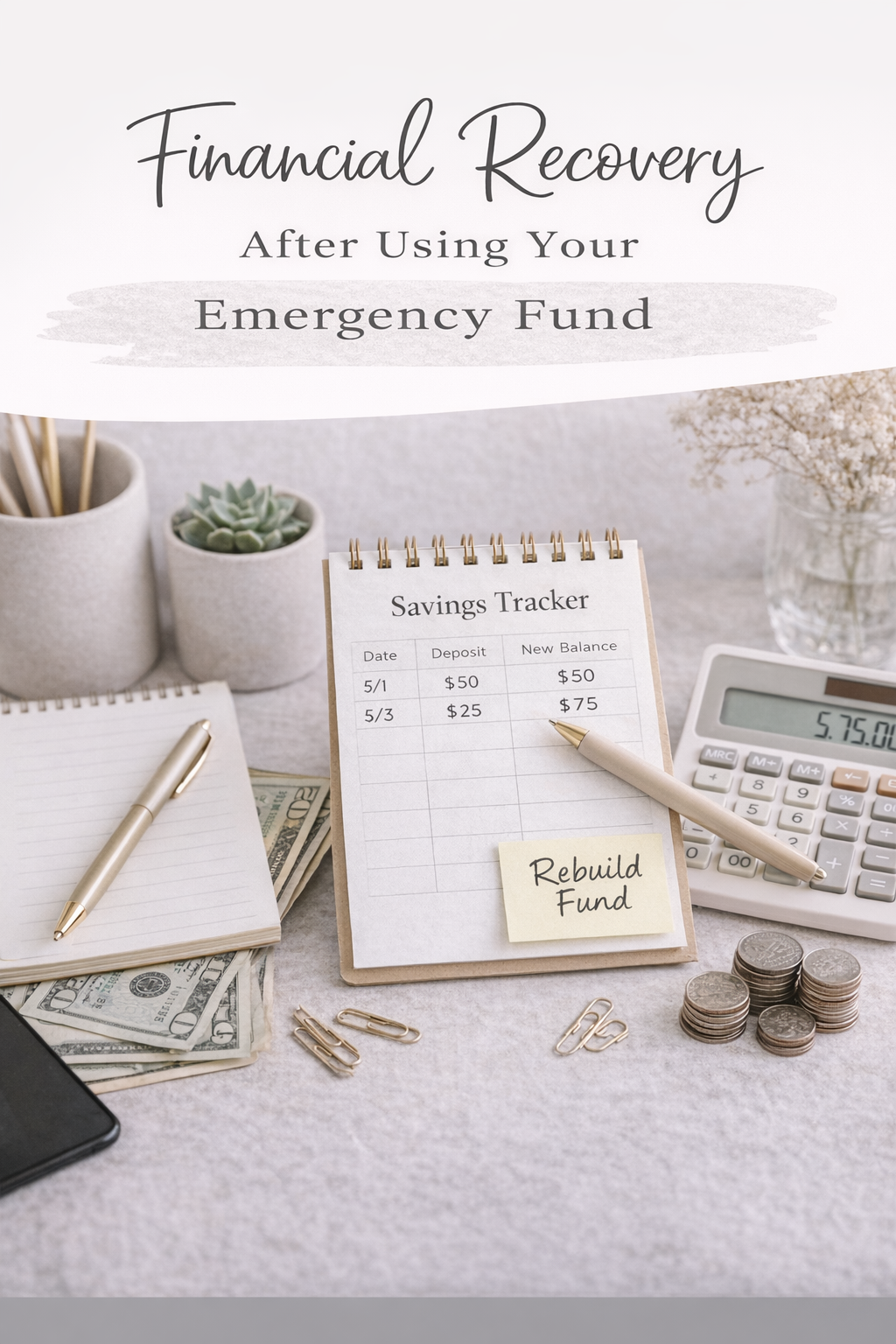
Building an emergency fund might feel like climbing a mountain, especially if you’re currently juggling bills, but trust us, it’s more doable than it sounds. The idea is to put aside a cushion of money for genuine emergencies—like medical costs, unexpected travel, or a job layoff—so you don’t have to rely on credit cards or scramble for loans when a crisis hits. Even setting aside a small amount weekly is powerful because those funds will compound over time. Remember, it’s not about reaching a huge total overnight. It’s about establishing a safety net that keeps you from falling into panic mode when life surprises you.
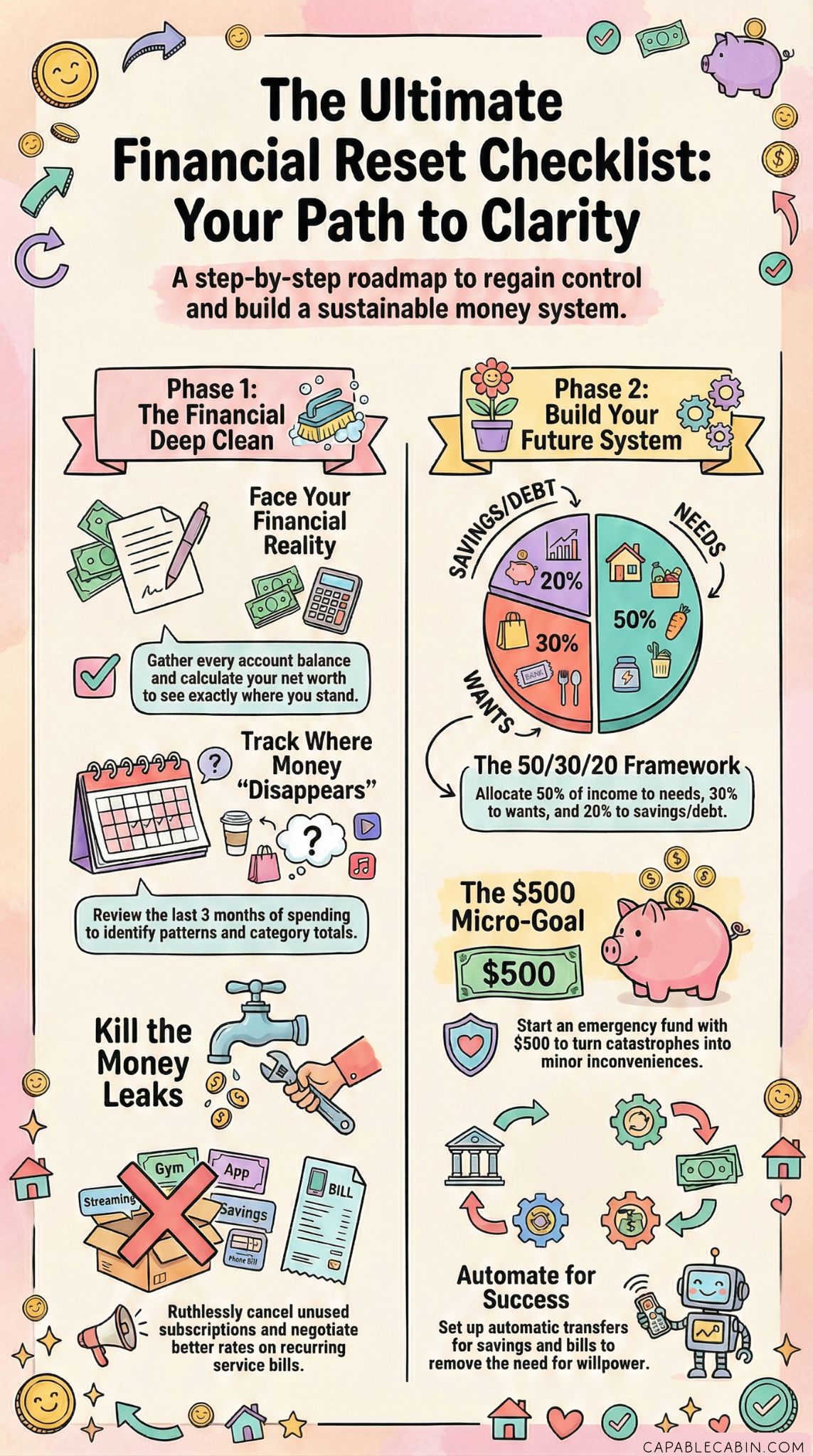
One approach—and one we’ve personally found helpful–is automating those contributions. Consider scheduling automatic transfers from your checking to your savings account right after payday. Even if the sum feels modest at first, consistent deposits can drive real progress. If you can nudge yourself from saving $10 a week to $20, that’s doubling what you’d accumulate each month. And if you’re looking for more structure around your emergency fund goals, you might explore a financial recovery emergency fund plan. This guide can offer clarity on how much to save based on your household size, cost of living, and any known health needs.
It’s natural to wonder: How much is enough? Generally, aiming for three to six months of living expenses is a solid goal, but it’s totally fine to start smaller and build up. During major health emergencies, having this fund can buy you precious time and keep you from making rushed decisions about your finances. Think of it as a form of self-care—like storing away a bit of peace of mind. You’ll worry less about the “what ifs” and feel more control over your financial future.
Create A Sustainable Budget
If you’ve been budgeting hit-or-miss, consider that a sustainable budget is your secret weapon, especially in times of crisis. Why? Because it gives you a framework for spending responsibly without feeling like you’re depriving yourself of everyday pleasures. And if “pandemic financial planning” has been on your mind, a strong budget becomes the heart of your strategy. It spells out where each dollar goes in normal times and helps you pivot quickly when challenges arise. Maybe you need to shift a bit more toward health insurance premiums or stockpile essential supplies without draining your entire bank account.
One practical technique is the 50/30/20 rule, where 50% of your income covers necessities (like rent or groceries), 30% is for wants (like entertainment or family outings), and 20% goes to savings and debt repayment. You can tweak these percentages as your life changes, but it gives you a starting template. You’ll also want to consider an “emergency line item” in your monthly budgeting. This line item can feed directly into your emergency fund or cover costs tied to your broader preparedness plan, like essential home supplies or protective equipment.
It’s also helpful to think about planning for an evacuation scenario. If you need to leave suddenly, you’ll likely have to cover lodging, transportation, or other unexpected costs. For those possibilities, you can explore a budget evacuation planning strategy that breaks down these potential expenses. When you have a budget that’s not just about bills, but also about allocating money to handle these curveballs, you’re setting yourself up for a safer and more confident future. It’s like building a solid foundation beneath you so that when the world wobbles, you don’t lose your footing.
Safeguard Essential Documents
It’s amazing how, in a crisis, we suddenly realize how crucial our documents are. Think medical records, insurance policies, birth certificates, and financial statements. Keeping these documents protected and easily accessible can be a game-changer if you need to prove your identity, file paperwork, or manage finances remotely. If you’ve ever had to scramble to find just the right form in a jumbled desk drawer, you know exactly how frustrating it can be. Multiply that by 10 in a large-scale health emergency, and you see why having an organized system matters.
The first rule of thumb: create both physical and digital backups. Physical copies can go into a waterproof, fire-resistant safe. You can label these folders so that if someone else needs to step in and help, they can easily find important paperwork. Digital versions can live on a secure cloud platform you trust, or an encrypted USB drive you store in a separate location. It’s also wise to share backup access with a trusted relative or friend. Should you be unable to get to these documents yourself, you’ll still have a safety net.
You might even consider packing a grab-and-go kit, or what some folks call a financial evacuation go bag. This kit can contain copies of essential records, along with any legal or banking details you might need if you have to relocate quickly. When everything’s accessible in a single kit, or saved digitally in a secure place, you don’t lose crucial time or energy searching for lost paperwork. You can focus on the real priority: taking care of your family and yourself.
Maintain Employment Security
During widespread health emergencies, work might look very different, and it’s smart to shore up your employment security while you can. If you have a stable job, clarify your benefits and paid leave options. You’d be surprised how much reassurance comes from simply knowing the time-off policy or whether there’s a short-term disability program. And if you’re self-employed or juggling multiple gigs, consider diversifying your income streams so you aren’t left stranded if one contract disappears.
This might be the perfect time to sharpen your skills through online courses, certifications, or even volunteer work that boosts your resume. The more versatile your skill set, the better your chance of staying marketable if layoffs hit or if your hours are cut. We’ve all been there, scrambling to switch gears, and it can be stressful. But by actively nurturing new or existing talents, you position yourself to pivot faster. Think of it as an investment in future-proofing your work life.
If you ever suspect that your job is on shaky ground, take steps to cut back your expenses and check in on your emergency fund. You could also set up a financial crisis action plan specifically tailored to funding a potential job transition. For instance, maybe that means carving out money from your monthly budget to cover job-hunting costs like software licenses or specialized tools. Yes, it’s an extra layer of caution, but in uncertain times, it can deliver a huge sense of calm. You’ll know that if work conditions suddenly shift, you already have a plan in place to keep your finances on track.
Review Insurance Options
Insurance can sometimes feel like a headache—premiums, deductibles, confusing coverage terms. But in the context of supporting your family through emergencies, policy details matter. Health insurance is obviously huge, especially when doctor visits or hospital stays can skyrocket costs overnight. Ensuring you have coverage (and understanding what that coverage actually entails) is one of the most vital steps in preparing for any pandemic or mass health concern.
Additionally, life insurance provides a safety net for your loved ones if something happens to you or your income is lost permanently. If you’ve got a spouse or children depending on your paycheck, updating or purchasing a life insurance plan can help offset financial stress during a worst-case scenario. While it’s never fun to think about these possibilities, having them sorted out now spares your family from tough financial decisions down the road.
Property insurance and renters insurance might also come into play if you ever have to relocate or if your home sustains damage. And if the situation calls for evacuation, you’ll be glad you know exactly what your policy covers regarding lost or damaged belongings. Sometimes, claims can be a hassle, but understanding them in advance goes a long way. If you find yourself needing practical ways to navigate these claims, resources like evacuation insurance claims can help you streamline that process. Ultimately, you’re purchasing peace of mind, making sure you won’t carry every cost on your own if an emergency arises. While premiums may feel like an added expense now, think of it as a crucial layer of protection for the treasures—both material and intangible—you hold dear.
Leverage Digital Tools
We live in a world where pretty much everything can be managed from a phone or laptop, so why not put that to good use in your emergency planning? From budgeting apps to online banking platforms, digital tools give you a clear, at-a-glance view of your finances even when you’re away from your physical residence. A few well-chosen apps can help you track bills, automate savings, and instantly see where your money’s going. Plus, they can sync up with mobile payment services, so it’s easier to handle routine transactions quickly.
If you’re preparing for a scenario where you might need to relocate or stay at home for extended periods, online bill pay can be a lifesaver. You won’t have to worry about mailing checks or traveling to a bank. Additionally, consider digitizing essential financial information—like account numbers and transaction histories—so you can access them securely from anywhere. This is where something like evacuation digital finances becomes important, ensuring you maintain control over your money even if you can’t physically get to your bank or your usual workspace.
As digital as things are these days, don’t forget the security side of the equation. Set strong passwords, enable two-factor authentication on critical accounts, and be mindful of phishing scams that often spike during national or global emergencies. The last thing you need when you’re already stressed is a compromised bank account. When used responsibly, these digital financial tools can add a layer of convenience and safety to your overall plan, letting you focus on staying healthy and safe if a crisis knocks on your door.
Plan For Evacuations
Sometimes, a health emergency leads to evacuation scenarios—maybe it’s a virus outbreak in your neighborhood or a situation requiring you to isolate somewhere else. Even if you never need to follow through, having a practical plan for evacuation can save you from financial chaos if a swift move becomes necessary. Think of it like a fire drill for your money. You hope you don’t need it, but you’re grateful it exists when things get real.
For starters, decide where you’d go if you had to leave home for an extended period. Is it a relative’s place, a hotel, or a community shelter? Each option comes with unique costs—like food, gas, or lodging fees—that you’d need to handle. One way to manage these potential payments is to build an evacuation emergency fund as a separate pool of money specifically for dislocation-related costs. This is slightly different from your main emergency fund, but it serves a similar purpose. By isolating these funds, you don’t accidentally drain your regular emergency account when you’re away.
Along with the finances, gather important items like prescriptions, ID documents, and credit cards in one ready-to-grab bag for a quick getaway. And if you’re curious about more in-depth readiness, you can look into evacuation financial planning. It can guide you on how to handle unexpected lodging, food, and transportation costs with minimal disruption to your normal life. This bit of foresight transforms what could be frantic last-minute packing into a calm, organized exit strategy. It offers a sense of control and confidence at a time when everything else might feel unpredictable.
Seek Emotional Support
In the thick of planning and prepping for a possible pandemic or crisis, it’s all too easy to overlook the emotional toll. We’re only human, and juggling finances under stressful conditions can take a mental toll. Finding comfort in friends, family, or a support group is crucial. Remember, you’re not the only one feeling anxious about money during uncertain times, and sharing that load can genuinely lighten it.
Reaching out doesn’t have to be formal or intimidating. Sometimes, it’s as simple as a phone call with a friend or chatting with a neighbor who’s also learning to cope with looming financial fears. You can also consider online communities or forums dedicated to personal finance and crisis preparedness. Hearing how others deal with budget shortfalls, job insecurity, or the guilt of not saving enough can be a source of reassurance and fresh perspectives. Psychologically, it’s like a gentle reminder that yes, you’re doing what you can, and that’s enough.
If you have children, they might be overhearing or sensing the worry in the household. Keeping an open dialogue with them—on an age-appropriate level—can help them feel more secure, too. Show them you are taking real steps to plan. It’s okay to acknowledge discomfort or fear, then pair that honesty with reassurance. Telling your loved ones, “We’re working on this together, and we have a plan,” can be just as powerful for your own mindset as it is for theirs. At the end of the day, financial preparedness isn’t just about numbers. It’s about giving yourself and your family a stable emotional foundation that helps you navigate stressful times with more peace.
Move Forward With Confidence
After taking stock of your finances, building up emergency resources, organizing your documents, and considering an evacuation plan, you may think, “Now what?” The answer: keep going. Crisis preparedness is rarely a one-and-done situation. It’s an ongoing process where you review, adjust, and refine your strategies over time. Give yourself a pat on the back for the progress you’ve already made. You’ve put in some serious work to safeguard your assets, your home, and your peace of mind.
If you do face an actual evacuation or suffer a financial setback, remember you’re not alone. There are valuable resources out there, including a post-evacuation financial recovery guide that can coach you through what happens after the immediate crisis passes. Remain open to learning from every twist and turn. Even a short eviction from your home might highlight gaps in your current plan—like expenses you didn’t anticipate or documents you forgot to pack. Each lesson refines what you’ll do next time, making you more resilient and versatile.
Above all, trust yourself. You’re showing dedication by proactively setting up your finances for tough times, and that commitment will serve you well. Tune in regularly—maybe every few months—to see if your emergency fund needs more attention or if your budget could use an update. Adjust as your life unfolds, and don’t forget to celebrate each step along the way. When you feel the weight of financial responsibilities closing in, remind yourself that you’ve come prepared. You have the knowledge, the strategy, and the emotional support to weather whatever gusts of uncertainty head your way. You’ve got this. And should a crisis knock at your door, you—and your loved ones—will be ready to face it with confidence.