Travel Emergency Preparedness with Pets
When it comes to travel emergency preparedness for pets, you want peace of mind knowing your furry companion will stay safe and comfortable no matter what surprises come your way.
In this post, we’ll explore what supplies to pack, how to handle sudden vet emergencies, and ways to keep your pet calm on the go. Together, we’ll craft a plan that helps you and your pet travel with confidence.
Understand The Risks
Traveling with a pet—whether by car, plane, or train—can be an adventure. But emergencies, big or small, can crop up anywhere. From sudden car troubles to weather events that force unplanned detours, it helps to anticipate possible curveballs in your itinerary. Awareness is your first line of defense.

Disaster Events And Geography
Pets can be vulnerable to weather-related incidents such as hurricanes, wildfires, floods, or tornadoes. Different regions carry different risks, so scouting typical hazards for your travel route is important. For instance, if you live where tornado warnings are frequent, you might want to peek at tornado pet preparedness. Meanwhile, coastal areas often require hurricane pet preparedness.
Everyday Mishaps
Not all emergencies revolve around natural disasters. A flat tire in the middle of nowhere or unexpected vehicle breakdowns can be equally concerning, especially if you’re carrying limited food, water, or medical supplies for your pet. A simple roadside delay can escalate into a crisis when you realize you’re short on puppy chow or important medication. That’s why traveling with a fully stocked kit matters so much.
Gather Your Pet Supplies
Okay, friend, let’s walk through the essentials you’ll want close at hand. Your pet’s emergency kit should be a quick-grab, compact bag or container that holds everything you need to handle the unexpected. If you’re thorough now, you’ll thank yourself later.
Build A Basic Kit
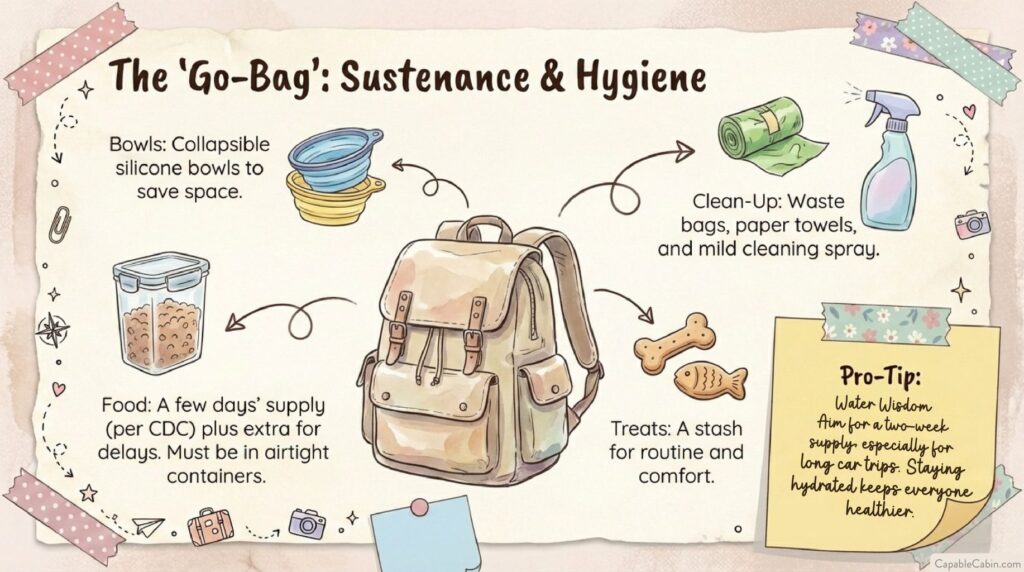
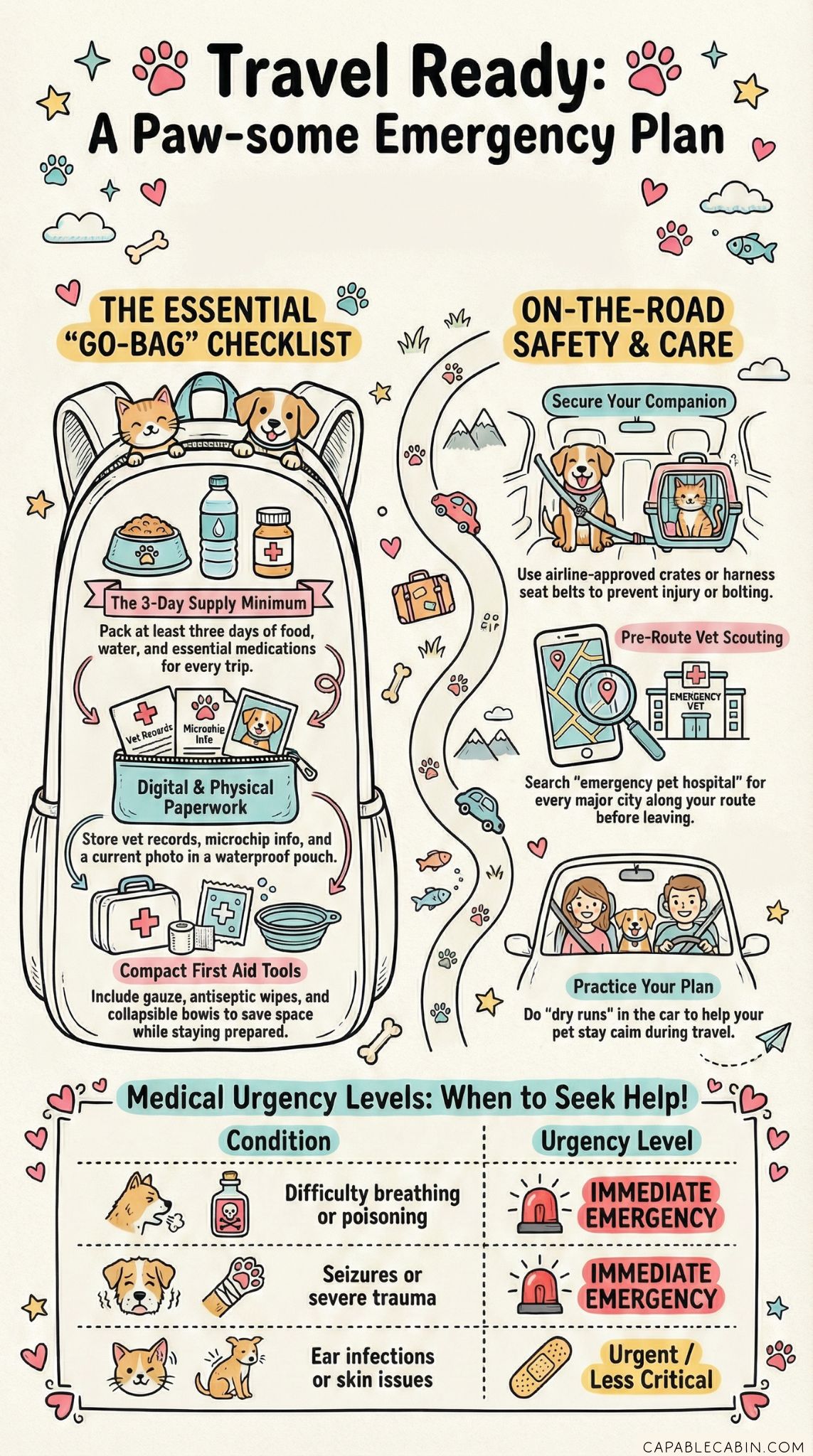
According to the Centers for Disease Control and Prevention, it’s wise to keep at least a few days’ worth of supplies ready for your pet [1]. Here’s a simple breakdown:
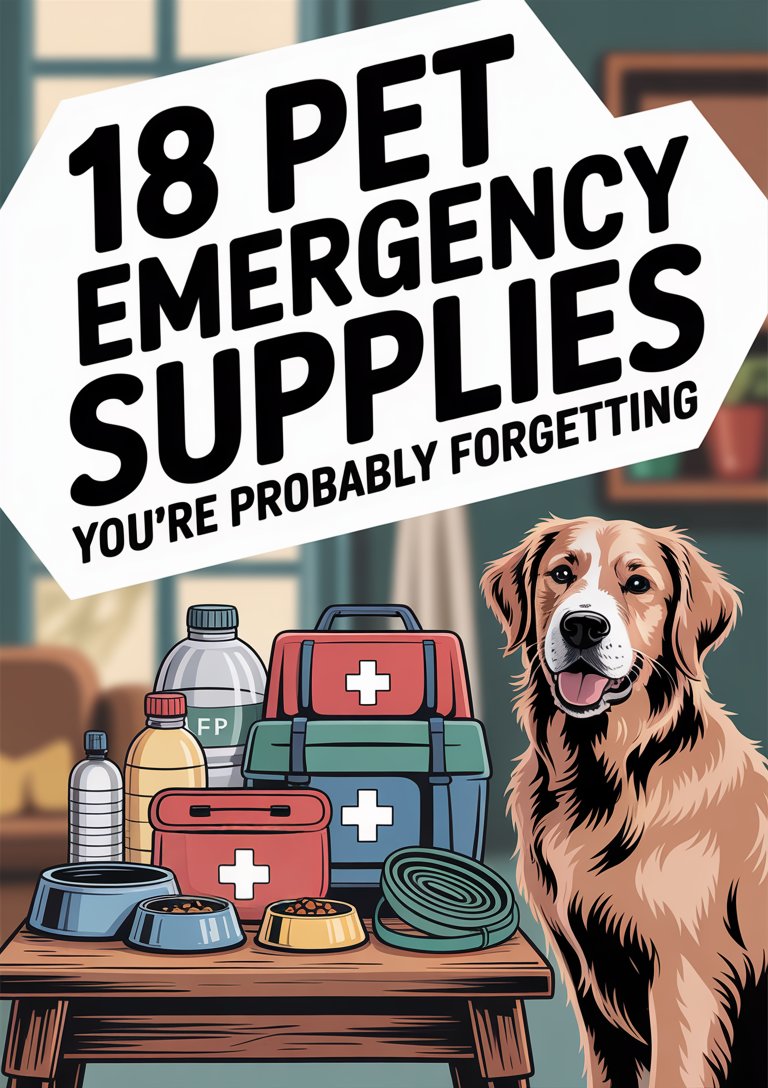
- Water: Aim for a two-week supply if possible, especially for longer trips.
- Food: Keep enough of your pet’s regular diet for at least several days, plus a little extra if the trip is extended. Ensure it’s stored in airtight containers.
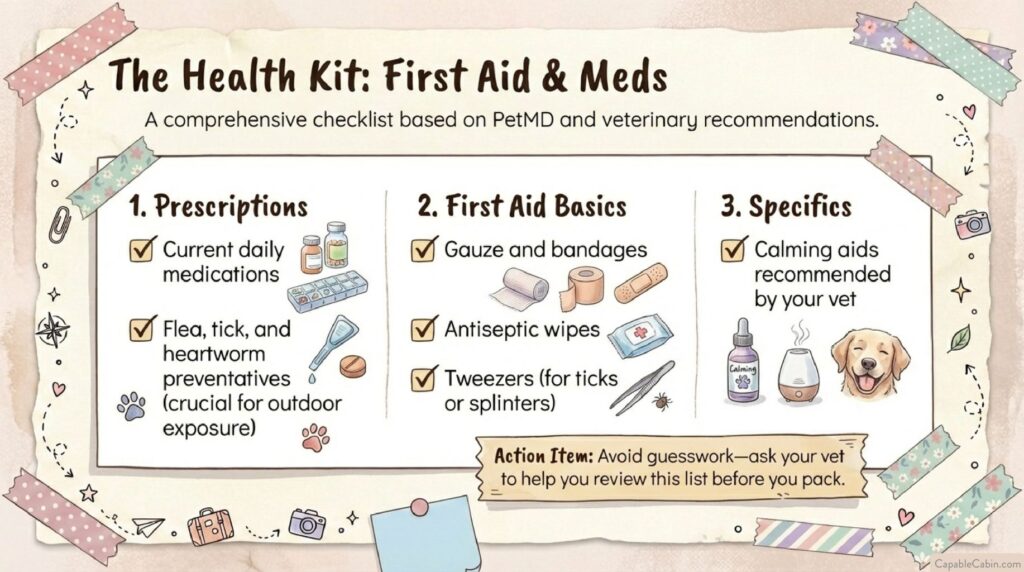
- Medications: Bring current prescriptions, plus flea, tick, and heartworm preventatives, as recommended by your veterinarian.
- Bowls: Collapsible bowls are space-savers.
- Treats: A small stash of treats helps maintain routine and can be very comforting for your pet.
- Clean-Up Supplies: Waste bags, paper towels, and a mild cleaning spray for accidents.
Don’t Skip Identifying Paperwork
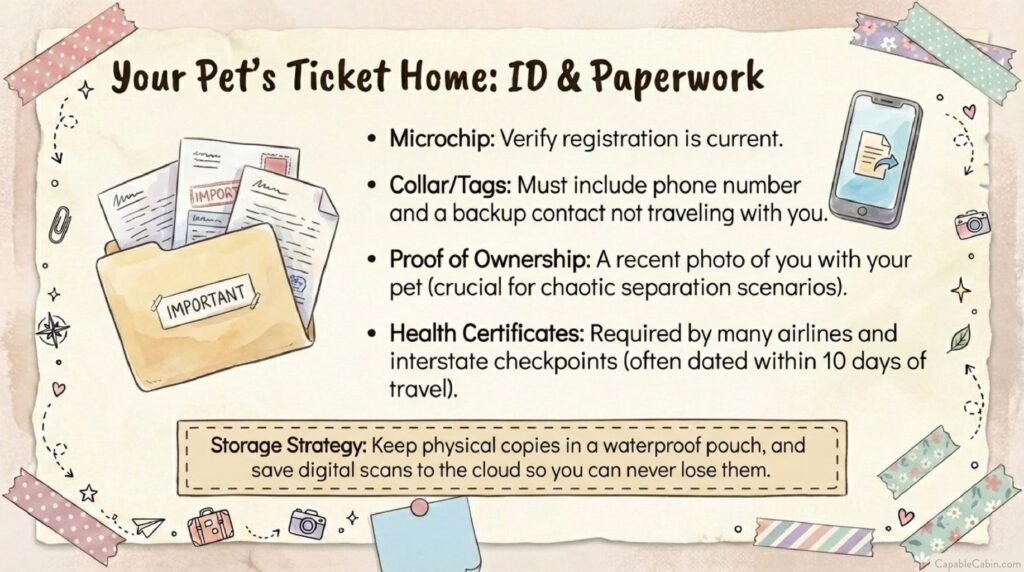
In an emergency, quick access to records can be a lifesaver. For instance, if your dog has vaccination records readily available, you’ll save time at emergency shelters or vet clinics that require proof. Keep your vet documents, microchip info, and recent photos in a waterproof pouch. It’s also smart to store digital copies on your phone or in cloud storage so you can’t lose them.
Include First Aid Tools
PetMD emphasizes packing a small first aid kit, including gauze, bandages, antiseptic wipes, tweezers, and anything else you might need to stabilize an injury [2]. Avoid guesswork by asking your vet for suggestions. And if you need a comprehensive list of items, check out pet first aid kit list.
Prepare Documents And Identification
Identification is your pet’s ticket home if you become separated on the road. Both a microchip and a collar ID tag are worth their weight in gold during travel. If your dog or cat isn’t microchipped yet, chat with your vet about doing so. Keeping all contact info up to date is crucial—that means cell phone numbers and an emergency contact who isn’t traveling with you.

Microchipping And Tags
- Microchip Registration: Verify that your info in the microchip registry is current.
- Collar and ID Tag: Include your phone number, an email if possible, and perhaps a backup contact’s info.
- Proof of Ownership: Keep a recent photo of you with your pet to prove ownership in chaotic situations.
Vet Records And Health Certificates
Many airlines or interstate travel checkpoints require health certificates dated within 10 days of your departure. According to the ASPCA, if you must fly with your pet, gathering these papers in advance is key [3]. Even if you’re just driving, you’ll want those documents handy in case of an emergency vet visit in another city.
Plan Safe Transport
Whether you’re taking a weekend drive or a cross-country journey, the way you transport your pet can make or break a safe experience. This step is about more than comfort—proper transport ensures your pet won’t bolt if you need to open the door unexpectedly, and it also helps prevent injury.
Crates, Carriers, And Seat Belts
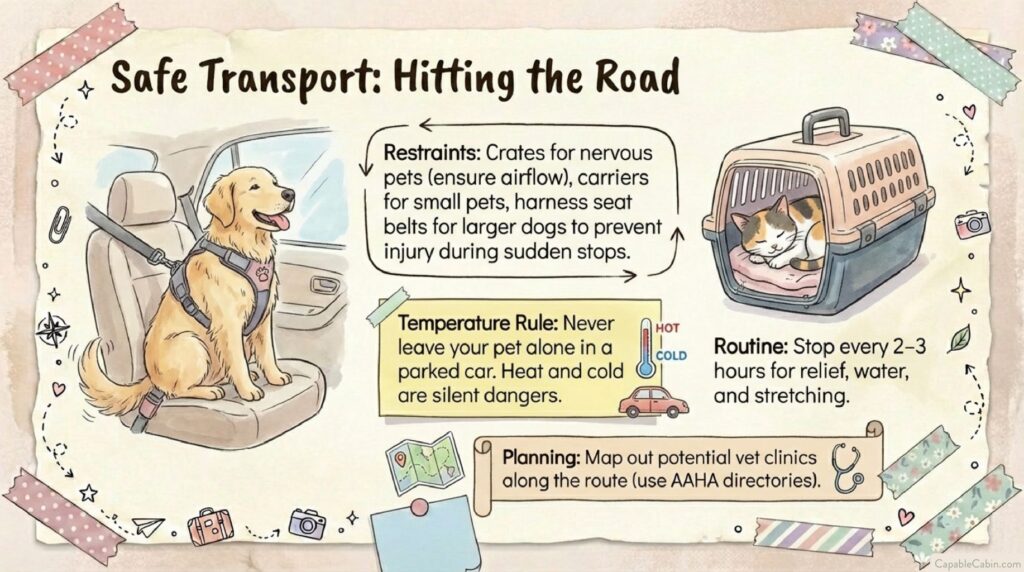
- Crates: Ideal for cats and small dogs who might get nervous in cars. Make sure they fit your pet properly and let in ample airflow.
- Carriers: Perfect for incorporating into a seat belt.
- Harness Seat Belts: Larger dogs can benefit from a harness-style seat belt that secures them but still allows movement.
Air Travel Tips
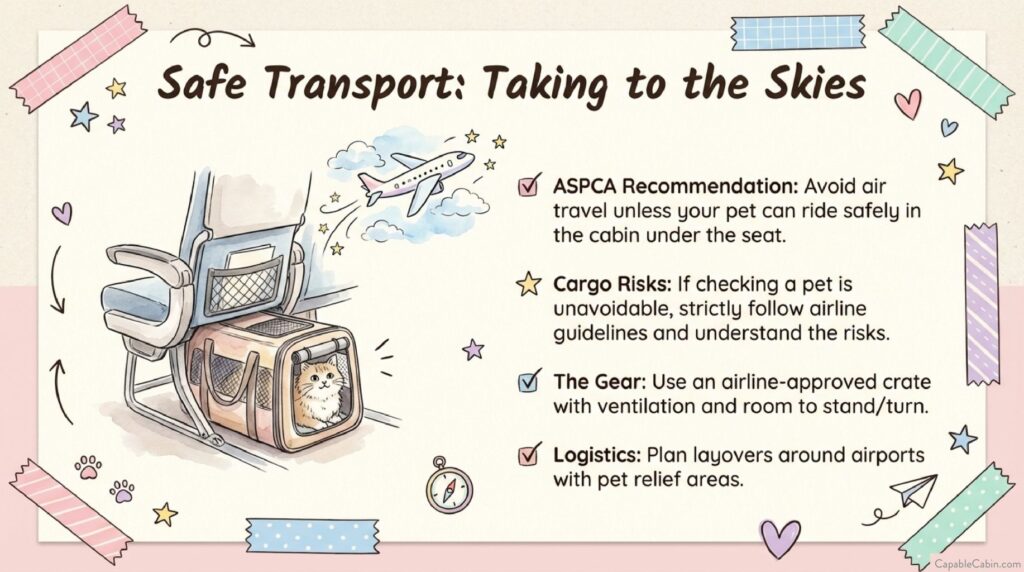
If you’re traveling by plane, the American Society for the Prevention of Cruelty to Animals suggests avoiding air travel unless your pet can ride under the seat safely. If you must check your pet, know the risks of cargo travel and follow the airline’s guidelines. Bring water, a familiar blanket, and any medication or calming aids your vet recommends.
Road Trips With Confidence
Road trips allow you more control, but they still require prep. Plan frequent breaks so your pet can relieve themselves, have water, and stretch. If you’re going on a longer trek, map out potential vet clinics along the route in case an emergency pops up. You can cross-check clinics through local directories or the American Animal Hospital Association [4].
Know Veterinary Options On The Go
Medical emergencies are a reality we hope to avoid, but they can happen anytime. Understanding how to find veterinary care quickly—and what type of care to look for—prevents panic in those moments of need.
Identify Nearby Veterinarians
Before you leave, do a quick web search like “emergency pet hospital near me” for every major city along your route. The Military Officers Association of America (MOAA) notes that emergency vet hospitals are typically available in larger urban areas, and you can search for reviews and hours in advance [5].
Recognize Urgent vs. Non-Urgent Issues
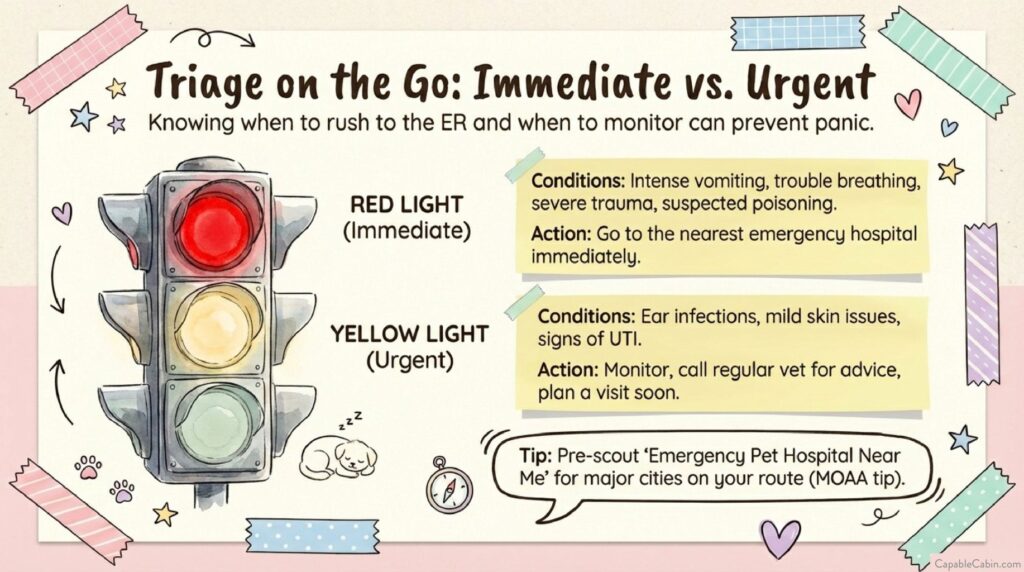
Some problems—like difficulty breathing, seizures, or ingestion of toxins—require immediate care. Others, such as minor skin irritations, might be urgent but manageable for a few hours. It’s reassuring to distinguish between the two:
- Immediate Emergencies: Intense vomiting, trouble breathing, severe trauma, or suspected poisoning.
- Urgent but Less Critical: Ear infections, mild skin issues, or signs of a urinary tract infection.
Storing your regular vet’s phone number can help you get advice on whether to head straight to an emergency clinic. You can also keep track of your pet’s normal behaviors—eating habits, energy levels, normal bathroom schedules—so you know when something is off.
Practice Real Scenarios
Just like fire drills at home, practicing your emergency plan helps you and your pet know exactly what to do. If you’re traveling through multiple states, each with its own quirks—maybe mountainous roads in one, flood-prone lowlands in another—your plan should adapt.
Dry Runs At Home
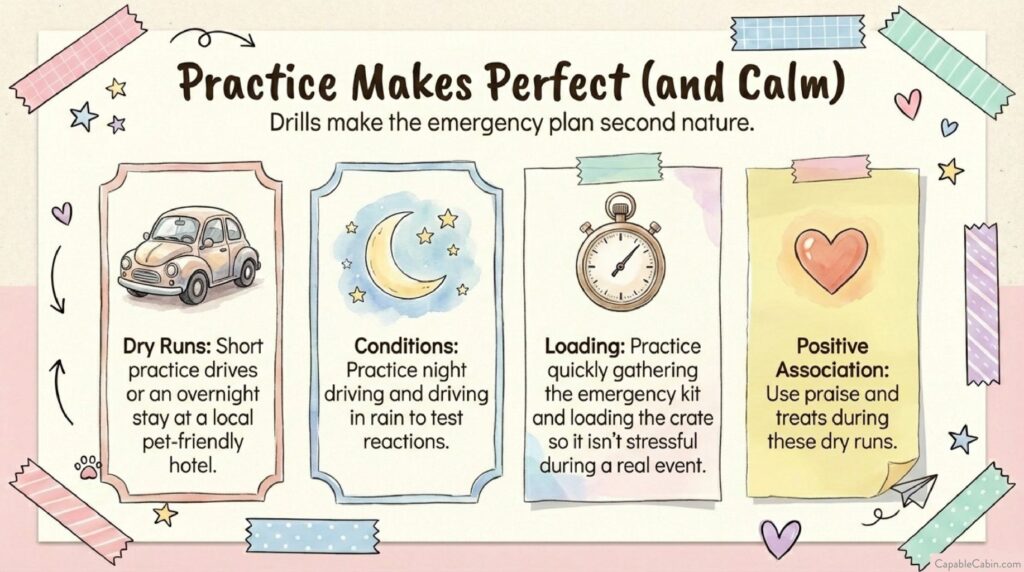
Try short practice runs in the car or do an overnighter at a pet-friendly hotel near your home. If your pet is new to riding in a crate, introduce it gradually, using praise and treats to create a positive association. You can also practice quickly gathering your emergency kit so that packing becomes second nature.
Simulate Different Conditions
- Nighttime Drive: Ensure your pet remains calm when it’s dark and the road is unfamiliar.
- Rainy Conditions: If possible, do a short drive in light rain to see how your pet reacts.
- Multiple Pit Stops: Get comfortable with stopping in new places. Some pets get anxious with frequent changes.
Rely On Team Support
It’s easy to think we have to do everything alone, but traveling with pets is so much smoother when you have a support network. This might mean a friend at home who can provide backup, or a family member who travels with you to share the load.
Buddy System
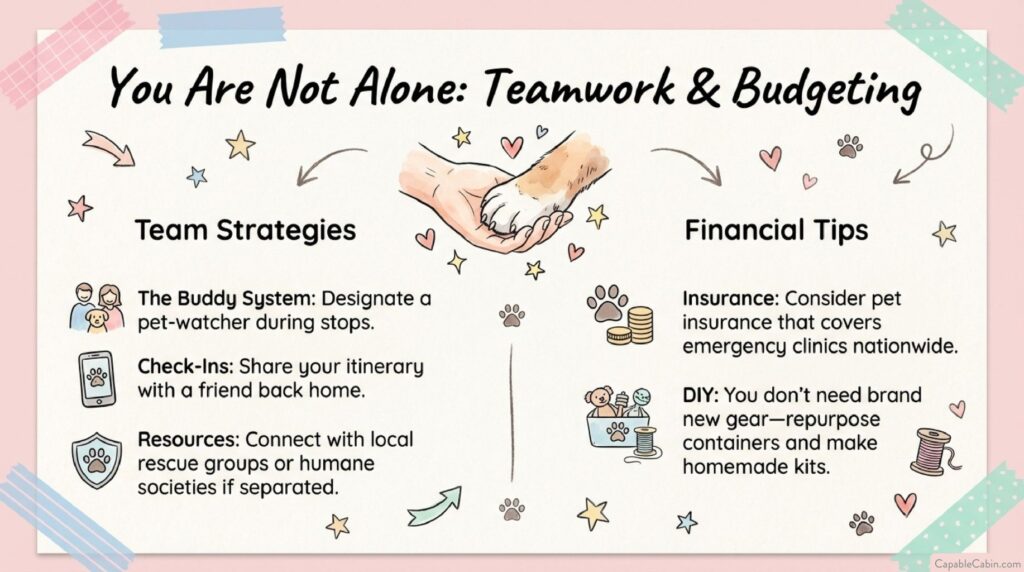
If you’re traveling with friends or family, designate someone to keep an eye on the pet while you handle lodging or any administrative tasks. This helps prevent your pet from slipping off in a strange place. If you’re going solo, consider calling a local friend or a pet-friendly acquaintance at each stop to say, “Hey, we made it. Here’s where we are in case of emergencies.” That small reassurance can be huge.
Community And Online Networks
Local community groups or social media pages often post real-time updates on traffic, weather alerts, or even pet-friendly shelters. There are also websites—like Petswelcome—that specifically focus on assisting people traveling with pets. They highlight safe routes, pet-friendly hotels, and localized emergency information to keep everyone in the loop.
Maintain A Sense Of Comfort And Calm
Even the best-laid plans can’t prevent every stressful situation, but creating a soothing environment for your pet goes a long way. Animals pick up on your mood, so your calm demeanor reassures them that everything is okay.
Familiar Items
Bring along something they love—maybe it’s a plush blanket or a worn T-shirt that carries your scent. A couple of beloved toys or interactive puzzles can help ease anxiety during long waits or cramped hotel stays. If you need more ideas, check out tips on pet emergency comfort items.
Calming Aids
Ask your vet about mild calming aids, such as pheromone sprays or vet-approved supplements. In certain high-stress moments, these can be game-changers. Some pets also respond well to an anxiety wrap or thunder shirt, which provides gentle pressure that helps them relax during storms or other unsettling conditions.
Travel-Specific Emergency Tips
Now, let’s get deeper into concrete travel tips—whether you’re hitting the highway or boarding a plane.
Road Trip Pointers
- Frequent Breaks: Stop every two to three hours for your pet to stretch, hydrate, and relieve themselves.
- Temperature Checks: Never leave your pet in a parked car, especially in hot or cold weather.
- Safety Restraints: Use a harness or carrier to keep your pet secure in case of sudden stops or accidents.
If lengthy journeys or multiple species are involved, you might want to see multi pet emergency preparedness for handling multiple animals at once.
Air Travel Preparation
- Check Airline Policies: Every airline has different rules for pet carriers, required documentation, and cabin arrangements.
- Travel Crate: Choose an airline-approved crate that has adequate ventilation and enough room for your pet to stand, turn around, and lie down.
- Plan Layovers: If you have a connecting flight, know where the pet relief areas are located in the airports so you can let them rest or hydrate.
Lodging Necessities
Whether you’re camping or checking into hotels, confirm in advance that your accommodations are truly pet-friendly. Bring your own collapsible crate or bed if possible. This helps your pet feel at home and reduces the chance they’ll mark new territory with an accident.
Regularly Update And Practice
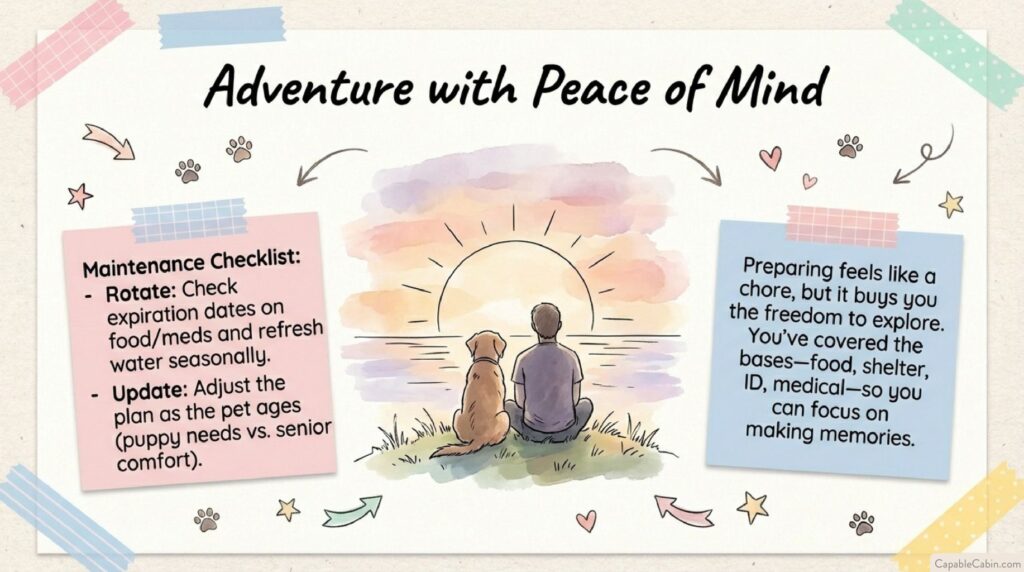
Emergency preparedness isn’t a one-and-done task. Much like you’d rotate food or check smoke alarm batteries at home, you should revisit your pet’s travel kit and plan every so often.
Rotate Kit Supplies
Check expiration dates on food, medication, and treats. You might refresh your water every few months to ensure it’s clean. Consider marking your calendar to do these “prevention tune-ups.” A good approach is to set a seasonal reminder—maybe each new season, you do a quick run-through.
Revisit The Plan As Your Pet Ages
Older pets may need additional medication or different bedding for comfort. If that’s your scenario, explore senior pet emergency preparedness for more tailored advice. Likewise, very young or special-needs pets might call for unique packing lists or extra caution during travel.
Plan For Specific Emergencies
Emergencies come in many shapes and sizes, and your pet’s needs can vary accordingly. Let’s look at a few situations you might face while on the road.
Weather-Related Disasters
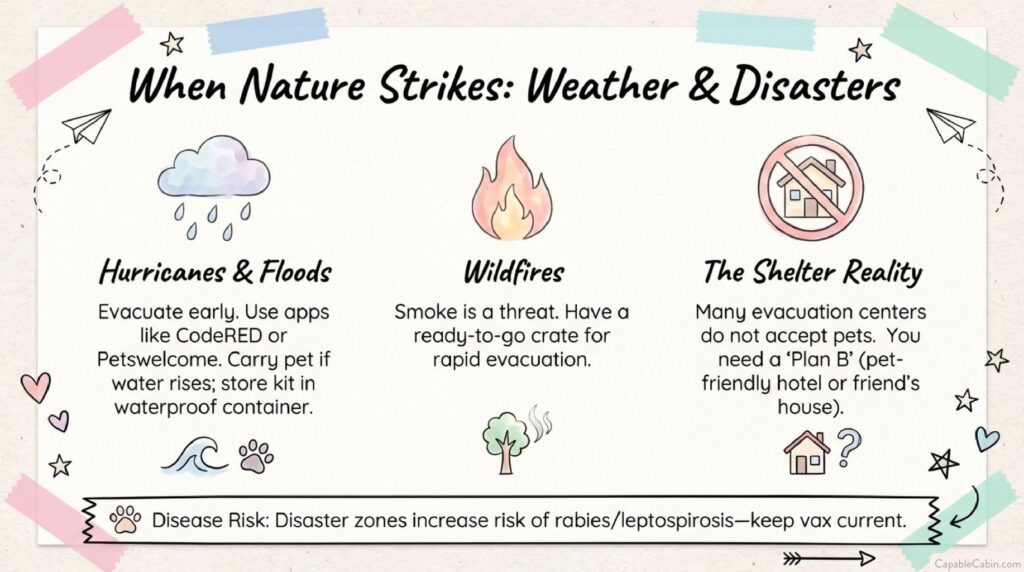
- Hurricanes: Evacuate early if you have the option. Keep track of local emergency management announcements, which often use apps like CodeRED. Resources like Petswelcome highlight county-by-county information.
- Floods: Carry your pet if water rises, and never leave them behind in an evacuation. Consider storing your emergency kit in a waterproof container. Check out flood preparedness pets for more details.
- Wildfires: Air quality and smoke are threats to pets. If you must evacuate quickly, having a ready-to-go crate can be key. Learn more at wildfire pet evacuation.
Evacuation Centers And Temporary Shelters
Plan B might be a hotel or a friend’s house, but in a worst-case scenario, you might end up at an evacuation shelter. Many standard shelters do not accept pets unless they are service animals [6], so you need an alternate plan. Research local agencies, or use a resource like the pet evacuation planning page for potential solutions.
Disease Prevention
During disasters, there can be a higher risk of diseases like rabies or leptospirosis, which pets can transmit to humans [6]. Keep vaccinations and parasite preventatives current. If you’ll be out in nature, especially in areas with ticks or mosquitoes, talk with your vet about additional flea, tick, or heartworm prophylaxis.
Create A Pet-Friendly Budget
Travel can strain finances, and emergencies can strain them even more. Having some savings set aside for pet care can be a huge relief if you face an unexpected vet bill. Pet insurance is another option. According to MOAA, many pet owners use insurance that covers emergency clinics nationwide [5].
Save On Supplies
It’s tempting to buy brand-new gear for every trip, but you can also consider diy pet emergency supplies. Simple homemade kits or repurposed containers can work just fine. For more pointers, check out budget pet emergency preparedness.
Insurance Considerations
If you’re worried about big vet bills, look into pet insurance. Some plans allow you to see any licensed vet, which is ideal for travelers. This coverage can help you avoid tough decisions when urgency strikes—you’ll be able to say “yes” to the care your pet needs if finances are tight.
Keep Communication Open
Remember, you’re not in this alone. The moment you run into an issue—whether it’s a car breakdown or a local weather emergency—let someone know. This might be a neighbor back home, a relative, or your veterinarian. Share your itinerary and check in regularly. If you do get stuck far from home, it’s comforting to know at least one person is aware of your location and can assist in contacting local help.
Tap Into Local Resources
Look up local humane societies or rescue organizations, especially if you’re in an area prone to specific disasters like hurricanes or wildfires. These groups sometimes offer temporary shelter or can guide you to pet-friendly evacuation venues. The First Responders Foundation also suggests connecting with local animal rescue groups when traveling, as they can provide additional emergency assistance if you’re separated from your pet.
Share Knowledge
If you’ve gathered a lot of helpful tips, pass them along. A friend or neighbor who’s planning a trip might benefit from the same resources you used to stay prepared. Spreading helpful guidelines can lessen the number of pets lost or left behind during a crisis.
Practice, Adjust, And Repeat
As you travel more often with your pet, you’ll discover what works and what doesn’t. Maybe you realize your dog’s harness isn’t as comfy as you thought, or your cat needs more frequent rest stops to stay calm. The key is to treat emergency preparedness as an evolving process.
Fine-Tune The Kit
- Annual Review: Do an annual or bi-annual “kit check.” Replace expired items and adjust your stock based on your pet’s needs.
- Adapt for Growth: If you have a puppy or kitten, their needs will change rapidly. Keep up with harness sizes, crate dimensions, and diet changes.
Keep It Fun
Not every practice run has to feel like a chore. Use short day trips or weekend getaways to bond with your pet and make new memories. The more positive experiences your pet has on the road, the less nervous they’ll be in unknown surroundings.
Embrace Peace Of Mind
Ultimately, having a solid plan makes travel emergency preparedness for pets feel far less daunting. Even if a crisis arises, you’ll know you’ve covered the bases—food, shelter, identification, medical care—so your pet can stay safe until you both find more stable ground.
Let’s face it, life throws curveballs, but you don’t have to handle them alone. We’ve walked through everything from essential supplies to disease prevention, from crate training to planning lodging. Each step is a building block in your greater safety net for traveling with your pet. Keep the conversation going with friends, fellow pet owners, and animal professionals who can offer insights or moral support when you need it most.
Preparing takes time, and yes, it can feel like one more chore. But trust me, you’ll rest easier knowing you’re ready for those unexpected bumps in the road. Whether you’re driving across state lines, flying overseas, or simply heading for a weekend getaway, you’ve got the know-how to keep your furry friend safe and happy. And remember, if your pet is a cat, dog, or anything in between, you can also look into specialized resources like cat emergency preparedness and pet evacuation planning.
From here on out, every time you tack “adventure” onto your travel plans, you’ll also have a trusty plan in place to handle emergencies. Together, we’ve got this. Happy (and safe) travels!