Emergency Fund Mistakes That Could Cost You Thousands
Sometimes the idea of having a safety net for financial surprises feels like a distant dream. You hear advice from every corner—friends, family, social media tips—but when life happens, you might realize there are quite a few emergency fund mistakes that can sneak up on you. We’ve all been in that boat, wondering if we’re really setting aside enough or if we’re stashing those dollars in the right place. Trust me, you’re not alone in having questions, doubts, or even a little guilt about saving. By understanding how these common pitfalls pop up, you can dodge costly consequences and keep more of your hard-earned money where it belongs: in your family’s pocket.
The good news? Each mistake is fixable. Yup, every single one. You don’t have to be a finance guru, and you certainly don’t need an advanced degree to start making smarter moves. Sometimes, it’s about small, easy-to-implement steps that can stop a major budget blowout down the line. So let’s explore the biggest missteps folks tend to make with their emergency funds. From undervaluing how much you really need, to letting your fund gather dust in the wrong spot, we’ll tackle them head-on. And as your friendly guide, I’ll keep our conversation relaxed, supportive, and sprinkled with the occasional grin—because after all, we’re in this together.
Below, you’ll find the top ten emergency fund mistakes many people run into. Don’t stress if you see yourself in more than one. In fact, that can be a good thing—it means you’re about to discover multiple ways to strengthen your financial safety net. Ready to dive in? Let’s go.
Mistake #1: Underestimating Your Required Cushion
Have you ever looked at a small emergency fund and thought, “Well, that should be enough for now”? It’s common to assume a few hundred bucks or a single paycheck could handle life’s curveballs, but that’s often too little to cover real emergencies. Picture a sudden medical bill or a major home repair: these things can balloon your costs way beyond what you initially imagined.
The danger is that you might wind up relying on credit cards or personal loans to fill the gap. That can lead to a cycle where the interest fees alone become yet another financial burden. Before long, all of this can add up to thousands of dollars lost. On the flip side, a well-calculated emergency fund can spare you from that stress.
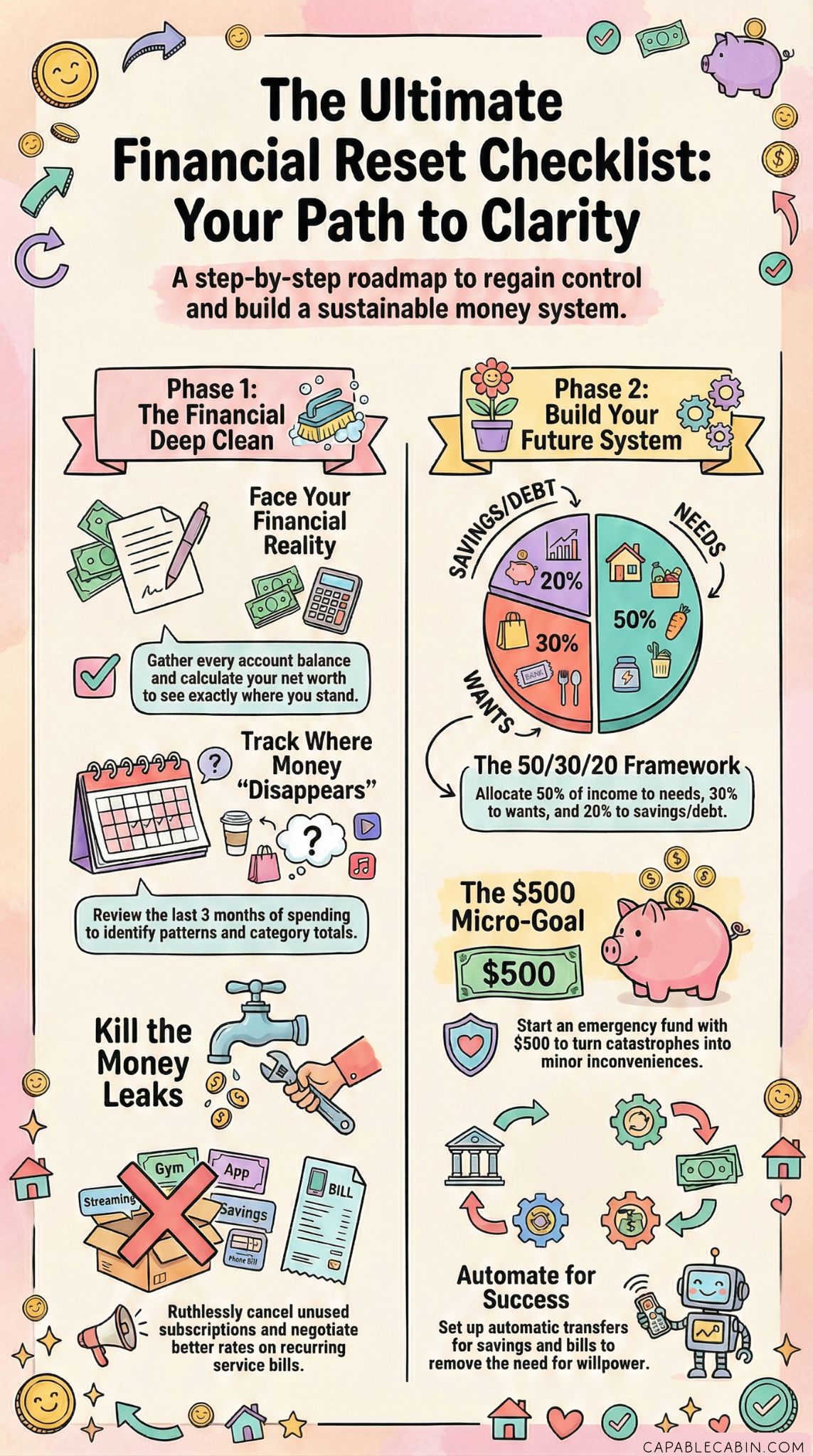
- Try This: Sit down and estimate three to six months’ worth of your basic living expenses—rent or mortgage, utilities, groceries, insurance, and so on. If that sounds like a hefty sum, you’re not alone. Start small if you have to. A starter emergency fund of, say, $1,000 to $2,000 can help get the ball rolling. Then, you can scale your savings over time to reach the sweet spot that fits your life.
Remember, it’s all about finding your personal balance. Once you figure out how much makes you sleep better at night, try using automated transfers or even a 5 savings challenge to build up your fund. Small, consistent actions can help you sidestep the trap of underestimating.
Mistake #2: Treating It Like a Regular Savings Account
If you find yourself constantly dipping into your “emergency” fund for everyday expenses, it might be because you haven’t mentally separated it from your normal savings. It’s so tempting to borrow “just a bit” for birthdays, holidays, or that massive sale on kids’ sneakers. Trust me, I totally understand how those enticing moments pop up.
However, sliding into your emergency money for routine costs can mean you won’t have enough for truly urgent situations. It’s crucial to build a mental wall—some folks even create a separate account and nickname it something like “Rainy-Day Only” to discourage casual withdrawals. A dedicated fund also helps you measure progress, because you’ll see that balance either stay intact (which is great) or grow steadily over time.
- Try This: Think about opening a separate high-yield savings account specifically for emergencies. Online banks often make it easy to label your accounts and set up automatic deposits. This step, while seemingly small, helps reinforce the idea that this particular chunk of money is off-limits for day-to-day temptations. You might also look into an emergency fund envelope system if you prefer a more hands-on, cash-based method.
Mistake #3: Stashing Funds in the Wrong Spot
We’ve all done it: tossed everything into a single savings account because it feels more convenient. But, interest rates can vary wildly, and parking your emergency fund in a low-rate checking account can cost you. Over time, that missed interest compounds—so it’s like throwing away free money.
Additionally, consider how quickly you can access your fund. A long-term certificate of deposit might offer a higher rate, but you could face fees if you need to tap those funds before the term ends. The key is picking a spot that balances liquidity and growth. You want to be able to grab your cash when you really need it, but also benefit from a decent interest rate.
- Try This: Explore high-yield online savings accounts or even a money market account. They typically have competitive rates, but still let you withdraw without hefty penalties. If you’re uncertain, check out where to keep emergency fund for ideas on the best storage methods. Keep an eye on fees too—some accounts may require a minimum balance, so read the fine print.
Mistake #4: Not Prioritizing Rebuilding After an Emergency
Let’s say you did everything right: you saved a few months’ worth of living expenses, and then a real emergency struck—a sudden job loss, a medical crisis, or maybe an unexpected car repair. You tapped into your fund, breathed a sigh of relief, and got through the storm. That’s a success story in itself! But the next step is just as crucial: refilling that fund as soon as possible.
Many people tend to take their foot off the gas once the initial crisis passes. You might think, “I’ll get around to building it back up eventually.” But the next crisis doesn’t wait for your perfect timing. If you don’t act quickly to restore what you spent, the next emergency could find you without the financial cushion you worked so hard to create.
- Try This: Make “rebuild the emergency fund” your priority number one. Whether that means setting a modest weekly transfer or applying a chunk of any side-hustle income, commit to topping up your fund until it’s back at your target. Tools like a year-long emergency fund challenge can make it more fun, turning the process into a step-by-step mission. You’ll thank yourself later.
Mistake #5: Borrowing for Non-Emergencies
We’ve all been tempted to label a splurge or even a minor inconvenience as an “emergency.” Yet using your fund every time you want to snag a last-minute vacation deal or upgrade your phone can whittle away your safety net. Over time, this creeping behavior might mean you’re constantly stuck in rebuild mode.
Instead, consider setting up separate savings for “fun stuff” or predictable home maintenance. This way, you won’t feel guilty about indulging when you have the funds for it, and your emergency account remains untouched for genuine crises. It’s all about labeling and planning so you don’t mix up your financial buckets.
- Try This: Define what “emergency” actually means for you. Maybe it’s anything that threatens your ability to pay rent, buy groceries, or cover essential bills. If a situation doesn’t fit that description, fund it via another savings account or your disposable income. Over time, you’ll strengthen the habit of keeping your emergency fund for, well, real emergencies.
Mistake #6: Assuming Debt Is Better Than a Fund
Some folks think, “I’ll just rely on a credit card or a loan if something bad happens.” But that mindset can backfire. Credit card interest rates can skyrocket, and personal loans—even if you can obtain one quickly—come with their own costs and potential stress. By the time the dust settles, you might owe substantially more than you borrowed.
It’s easy to forget that an emergency fund gives you immediate, debt-free resources. No loan approvals, no monthly interest payments—just the money you saved. If you’re juggling credit card balances, you might be torn between prioritizing debt payoff or building an emergency nest egg first. In many cases, it’s wise to balance both. Check out emergency fund vs debt for insights on striking that healthy balance.
- Try This: If you’re struggling with high-interest debt, put a small sum into an emergency fund while aggressively chipping away at your balances. Once your debt load shrinks, shift your approach and begin fully funding an emergency account that can offset future surprises. This method can help you dodge new debt in the long run.
Mistake #7: Underestimating Inflation’s Bite
All savings can lose value if they’re not keeping pace with inflation, and your emergency fund isn’t immune to this. Money sitting under a mattress (or in a non-interest-bearing account) can purchase less over time, especially during periods of rising prices. Think about the cost of groceries five years ago versus now—it’s a dramatic difference.
- Try This: Balance the need for liquidity with a boost from higher-yield accounts. Even small differences in interest rates can help offset inflation’s effect. If you’re curious, look into inflation emergency fund for tips on staying ahead of rising costs. While you might not beat inflation every year, choosing a respectable yield helps your emergency fund hold its value.
Mistake #8: Keeping All Your Cash at Home
There’s a certain comfort in knowing you can open a drawer and see your emergency savings in plain sight. But physical cash can be vulnerable to theft, fire, or other disasters. Also, it obviously won’t earn interest in a sock drawer. While it’s generally smart to maintain a small stash at home—maybe for quick access or grid-down scenarios—parking all your emergency money there can be risky.
- Try This: Strike a balance. You might keep a modest portion of emergency cash for immediate needs. Meanwhile, the majority should go into a secure, accessible account. If you like the idea of having a small buffer right in your house, check out emergency cash at home for creative tips on storing it safely.
Mistake #9: Skipping a Financial Plan or Checklist
We get it: “budget” and “financial plan” can sound intimidating or even boring. But going without a roadmap is how mistakes creep in—everything from forgetting to account for yearly insurance premiums to overlooking those random school fees that pile up. If you’re winging it, your emergency fund might morph into a catch-all for predictable, recurring expenses.
- Try This: Jot down a simple budget or use a budgeting tool to track and categorize your spending. This helps you spot which expenses are truly unexpected (like a medical bill) versus which ones just feel unpredictable (like a once-a-year membership fee). A financial preparedness checklist can help you see what you have covered and what still needs your attention.
Mistake #10: Delaying the Start Too Long
We’ve all had those weeks, months, or even years where saving seemed impossible. Maybe finances are tight or life just keeps throwing curveballs. But waiting for the “perfect time” can cause you to lose valuable months or years when those small contributions could be quietly adding up. Even if you can only save a few dollars from each paycheck, that’s far better than zero.
When you keep putting off the start, any sudden expense can hit harder—leaving you feeling unprepared and overwhelmed. The beauty of an emergency fund is that even modest progress cushions life’s blows. Over time, these small steps can blossom into a hefty buffer that safeguards your family and your peace of mind.
- Try This: Set an automatic deposit for each payday, even if it’s just $10 or $20. You might also join a start emergency fund challenge to keep yourself motivated. By making the process intentional, you’ll sidestep that feeling of “I’ll do it next month” and establish a habit that lasts for years to come.
Quick Comparison Table
Below is a quick rundown of these common mistakes and how they might affect you:
| Mistake | Potential Cost |
|---|---|
| Underestimating Your Required Cushion | Relying on credit, piling on interest charges |
| Treating It Like Regular Savings | Gradual fund depletion on everyday expenses |
| Stashing Funds in the Wrong Spot | Lost interest, slow fund growth |
| Not Prioritizing Rebuilding | Unprepared for subsequent emergencies |
| Borrowing for Non-Emergencies | Constantly juggling minimal to no cushion |
| Assuming Debt Is Better Than a Fund | High interest or loan fees |
| Underestimating Inflation’s Bite | Reduced purchasing power over time |
| Keeping All Your Cash at Home | Theft, damage, zero interest |
| Skipping a Financial Plan | Using emergency funds for predictable costs |
| Delaying the Start Too Long | Missed compound growth, lingering risk |
Extra Tips for Staying on Track
Putting all these ideas into action might feel like a lot, but remember: baby steps. Here are a few extra pointers to help you gain momentum:
Create Micro-Goals
- Celebrate each time you add another $50 or $100. Little wins keep you motivated.
Schedule Automatic Transfers
- Out of sight often means still in your account. Automate to avoid forgetting.
Use Reminders
- Set calendar alerts to review your balances monthly. This helps you spot any accidental deductions.
Keep Learning
- Dig into resources like an emergency fund guide. There’s always something new to discover about saving.
Consider a Financial Emergency Preparedness Kit
- Store important documents in one place, like a financial emergency preparedness kit or financial go bag. That way, you’re ready to grab and go in case life throws you more than just a financial curveball.
Turning Mistakes into Wins
The beautiful thing about mistakes is they turn into lessons learned. If you’ve identified with one—or all—of the pitfalls above, take heart: you’re already way ahead of the game by simply being aware. When it comes to an emergency fund, knowledge truly is power. One tweak here, one small shift there, and suddenly you’re saving yourself from eating costly fees or racking up debt the next time life takes a turn.
We all deal with busy schedules and competing financial priorities. But even with a family to feed, birthdays to celebrate, or those dreaded car repairs lurking around the corner, you can carve out a path to financial stability. It doesn’t have to break your spirit or your budget. Often, simply acknowledging that these mistakes exist—and deciding you won’t let them trip you up anymore—is the biggest leap forward.
A Gentle Nudge: Keep It Simple and Steady
Have you ever noticed that the hardest part can be getting started? Once you see even a small emergency fund in action, you’ll realize how comforting it is to have that safety net. Plus, you’ll find it easier to say “no” to non-urgent expenses when you’ve labeled your savings as strictly for emergencies. Score one for clarity!
Start by picking one or two mistakes you might be making right now. Do you need to recalculate your fund’s size? Or maybe bump up your interest rate by choosing a different account? Don’t overwhelm yourself trying to fix everything in a single weekend. Focus on the steps that resonate with your current situation, then move on to the others as you gain confidence.
Embrace the Balance
A robust emergency fund is about more than just money—it’s about security, mental peace, and freedom from stressful debt traps. No matter where you are on your savings journey, remember that every dollar you intentionally set aside is a practical expression of self-care and family care. And when the day comes that you need it, you’ll be so relieved you planned ahead.
For many of us, building an emergency fund is not a smooth, linear process. It can come with bumps, restarts, and plenty of deep breaths as we juggle unexpected bills. But never forget that you’re allowed to pivot. As your financial world changes—maybe you get a raise, or your family grows—your emergency fund strategy can evolve. There’s no strict one-size-fits-all approach, and that’s okay.
Your Action Plan: Moving Forward
Pick One Step to Tackle Today
- Whether it’s opening a new account or setting up an automatic transfer, choose something small you can do right away.
Share Your Goal
- Talk to a close friend or partner about your resolution. Accountability can make a big difference.
Celebrate Milestones
- Did you successfully fund the first $500? That’s huge news! Acknowledge it, and build on that momentum.
Stay Flexible
- Life changes, emergencies happen, and you might need to adjust. Keep an open mind and refine as you go.
Access More Tools
- If you need more structure, take a look at a financial preparedness checklist or a financial emergency preparedness kit. Adding an organized, step-by-step system can help when your to-do list feels overwhelming.
Above all, remember you’re not walking this road alone. Countless others have struggled with these same mistakes—and many of us learned them the hard way. By paying attention, you’re bracing yourself against future tumbles and giving your loved ones a safety net they can count on.
Mistakes happen. They’re part of being human, handling finances, and trying to juggle everything else life throws at us. But each “whoops” can turn into an “aha” moment that points you toward a stronger plan. So, take these common emergency fund mistakes and flip them into opportunities. Start small, stay focused on your goal, and remind yourself that every dollar in your fund is a dollar that can spare you or your family from scrambling in a crisis.
Yes, it might take a bit of sacrifice to keep your hands off that stash or to carefully weigh how much you need to save. But think of the relief you’ll feel the next time your water heater breaks or your car needs a pricey repair. You’ll be able to breathe a sigh of relief, handle the bill, and then keep moving forward without a mountain of debt. That sense of control—and the peace of mind that follows—is priceless.
So let’s do this together, friend. Make a plan, pick a place to grow your savings, and stay committed to protecting your future. Because if there’s one thing we all want for ourselves and our families, it’s the power to weather life’s storms without fear. You’ve got this. And if you need a gentle hand or reassurance along the way, don’t forget you’re in good company—we’re cheering you on every step of your journey.