Pet Emergency Medical Preparedness and First Aid
It’s easy to tell yourself you’ll handle pet emergencies whenever they arise, but trust me, I’ve been there—scrambling to find supplies, calling around frantically for a vet, and wishing I’d prepared sooner.
Pet emergency medical preparedness might sound a bit intimidating at first, but you’re absolutely capable of pulling it off. Think of it like creating a comforting safety net for the animals you love.
Whether you’re worried about severe weather, accidents at home, or sudden health scares, preparing in advance can bring you both peace of mind and the confidence to tackle unexpected situations. Let’s look at how it all comes together so you’ll know exactly what you need and how to use it.
Why does it matter?
If a tornado warning hits your phone in the middle of the night, or if you find your beloved dog struggling to breathe at 3 a.m., you don’t want to be rummaging through drawers, crossing your fingers that you can remember your vet’s number. You want to be fully present, offering your pet the help they need. According to the CDC, leaving pets out of emergency planning endangers pets, owners, and first responders alike [1]. So let’s get this plan in place, one practical step at a time.
Gather Vital Documents
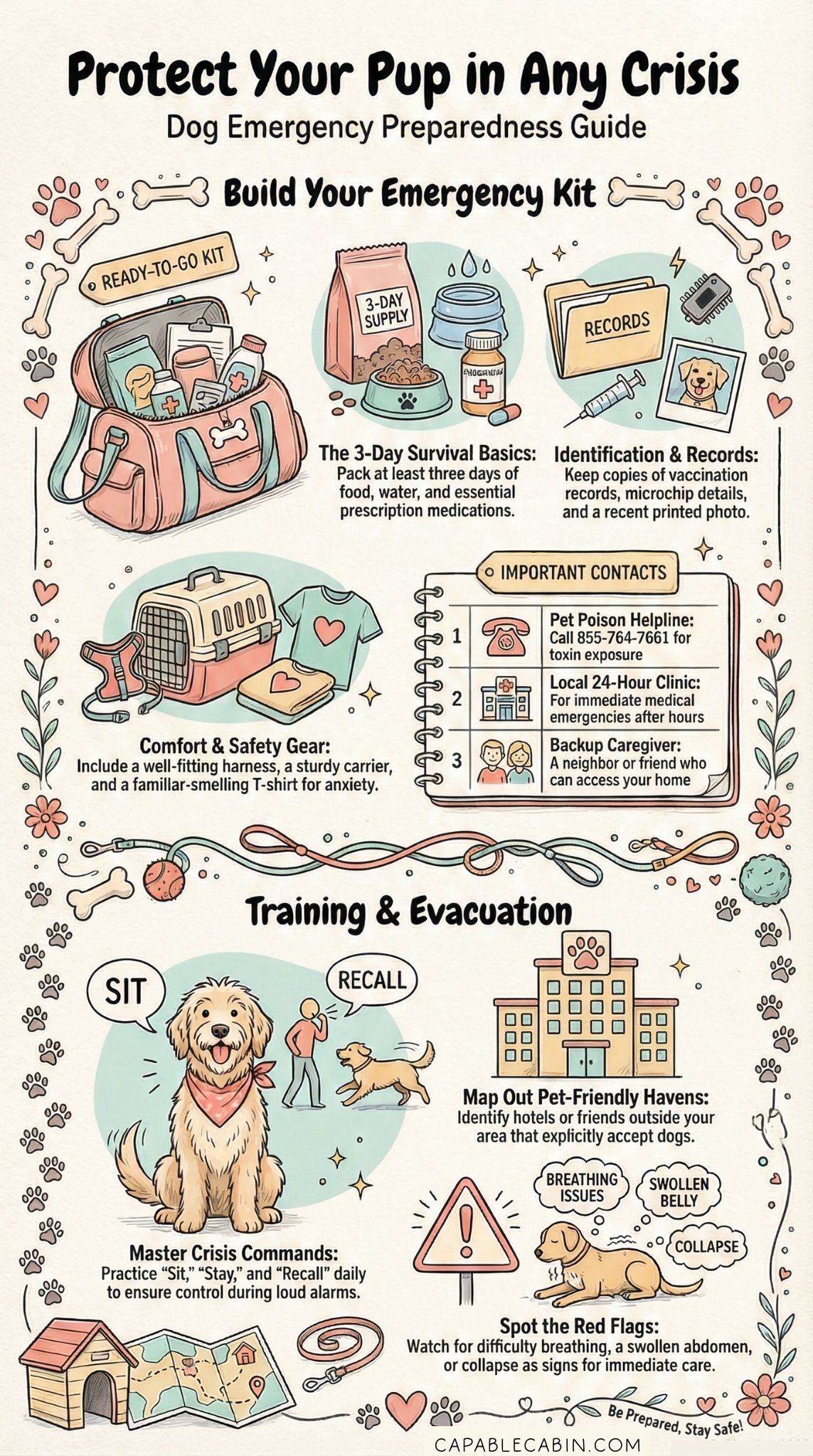
You probably already keep track of routine paperwork for your pet, but in an emergency, easy-to-grab, up-to-date documents can be a game-changer. Imagine the relief of sorting everything quickly, instead of tearing the house apart looking for that rabies vaccination form or microchip record.
- Medical Records. Keep updated vaccination certificates, spay/neuter confirmations, and any critical treatment history in a clearly labeled folder. Knowing your pet’s health background can help a vet provide urgent care much faster.
- Emergency Phone List. Jot down your veterinarian’s number, any 24-hour emergency vet clinics in your area, and poison control hotlines. In some cases, toxic ingestion is time-sensitive [2], and calling the right hotline can make all the difference.
- Insurance Details. If you have pet insurance, keep that policy information handy. It can speed up the admission process in a crisis.
- Identification and Photos. Include copies of your pet’s license or microchip info, plus a couple of recent photographs. Should your cat or dog ever go missing, you’ll have proof of ownership and a ready-to-share image.
Store these documents in a water-resistant pouch, ideally with your other vital papers.
If you have multiple pets—and let’s face it, many of us do—create a separate folder for each. That way, you can grab and go without any guessing. If you haven’t thought about how to handle more than one furry friend at once, you might find our tips on multi-pet emergency preparedness useful, too.
Assemble a First Aid Kit
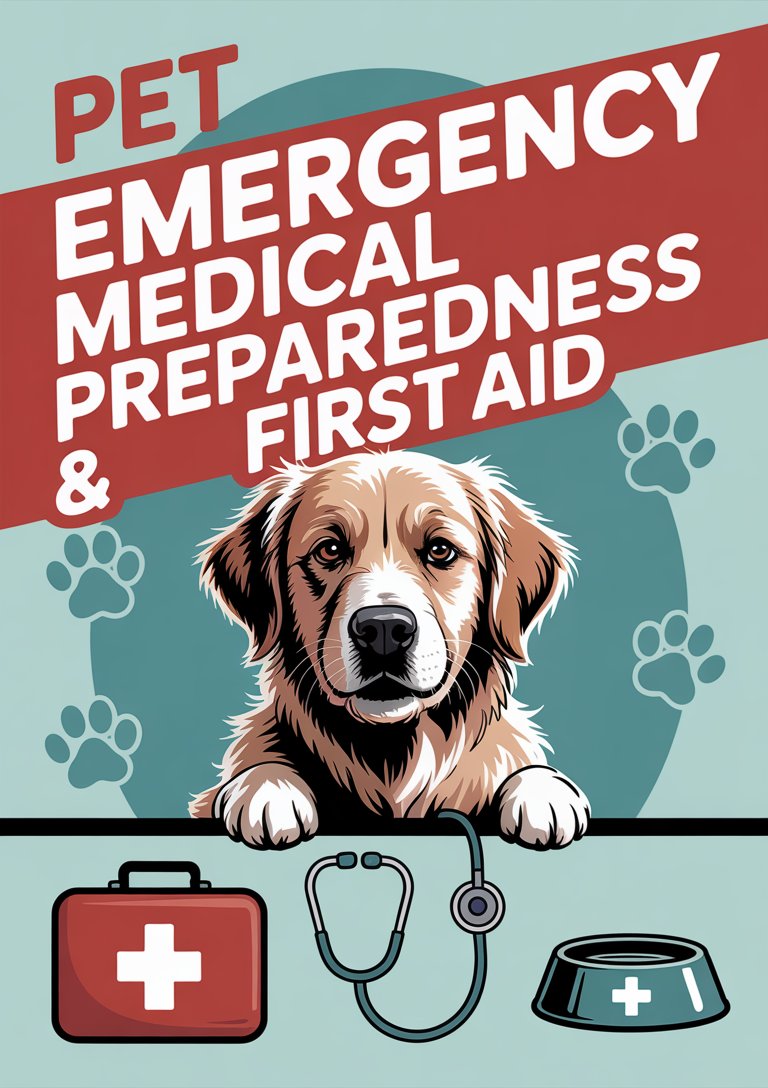
A well-stocked first aid kit can be your best friend when you’re handling minor scrapes or even while you’re waiting for the veterinarian to examine serious injuries.
You don’t have to be a medical pro to get it right; you just need the right supplies. According to the American Kennel Club, some essentials include gauze, a digital thermometer, and adhesive tape [3].
Here’s a comprehensive list to get you started:
- Sterile Gauze and Non-Stick Bandages. For stopping bleeding and covering wounds.
- Adhesive Tape. Secures bandages so they don’t slip.
- Hydrogen Peroxide. Used in some instances to induce vomiting (but only when directed by a vet).
- Antibiotic Ointment. Helps prevent infection in small cuts.
- Scissors and Tweezers. Useful for cutting bandages or removing foreign objects like splinters.
- Cotton Balls and Swabs. For gentle cleaning around wounds.
- Digital Thermometer. To quickly check if your pet’s temperature is off.
- Magnifying Glass. Helps you spot small ticks or debris.
- Pillbox or Medicine Organizer. Ideal for sorting out any prescription meds your pet needs regularly.
- Important Paperwork. Include extras of your pet’s medical records so they’re at your fingertips.
Need a more detailed checklist?
You can also visit our pet first aid kit list to make sure you’ve got every item. You don’t need to break the bank, either. You can piece together many of these supplies, or explore diy pet emergency supplies if you prefer a budget-friendly approach.
Recognize Common Emergencies
Part of pet emergency medical preparedness is knowing when something is really an emergency. Sometimes you notice an upset tummy, and other times your pet’s symptoms are severe and alarming. So here’s a quick overview of red flags to watch for (you can find more in our common pet emergencies resource):
- Vomiting or Diarrhea with Blood. If you see dark clumps or coffee-like grounds, that’s a sign you need immediate veterinary attention [4].
- Difficulty Breathing. Pale or blue gums, noisy breathing, or rapid panting can be serious. This might indicate allergic reactions or heart issues [4].
- Seizures. They can be spontaneous, but if they last longer than five minutes or happen repeatedly, you should seek help right away.
- Swollen Abdomen. Especially if it’s sudden and accompanied by retching, it could be “bloat,” which sometimes requires urgent surgery to save your dog’s life.
- Severe Bleeding. If bleeding doesn’t slow after five minutes, or it’s heavy, head for the vet. The longer it goes on, the higher the risk of infection or worse.
In some cases, you’ll only have a small window of time to act. Poison ingestion—like getting into antifreeze or pest poison—demands swift vet care [2]. The same goes for choking. Otherwise, you risk more serious complications.
Plan for Evacuations
Emergencies sometimes mean you have to leave home in a hurry. Tornadoes, floods, and wildfires can happen with little warning, and let’s be honest, disaster scenarios are far more nerve-racking when you have pets.
To make a quick getaway less chaotic, you’ll want a solid evacuation plan that factors in your pet’s comfort and needs. According to the American Red Cross, shelters don’t always accept non-service animals, so have a list of pet-friendly locations ready [5].
Here are some pointers:
- Pre-Arrange Pet-Friendly Lodging. Research hotels or motels along possible evacuation routes. You can also check with relatives or friends outside your immediate area.
- Keep a Go-Bag Handy. Store essentials like food, collapsible water bowls, extra leashes, and a favorite blanket in a sturdy container or backpack for easy transport.
- Practice Loading Up. If you use carriers for cats or smaller dogs, do a couple of “trial runs.” This helps your pet get used to hopping in quickly without a fight.
- Identify Safe Havens. Contact local shelters and rescue groups to see if they offer emergency boarding.
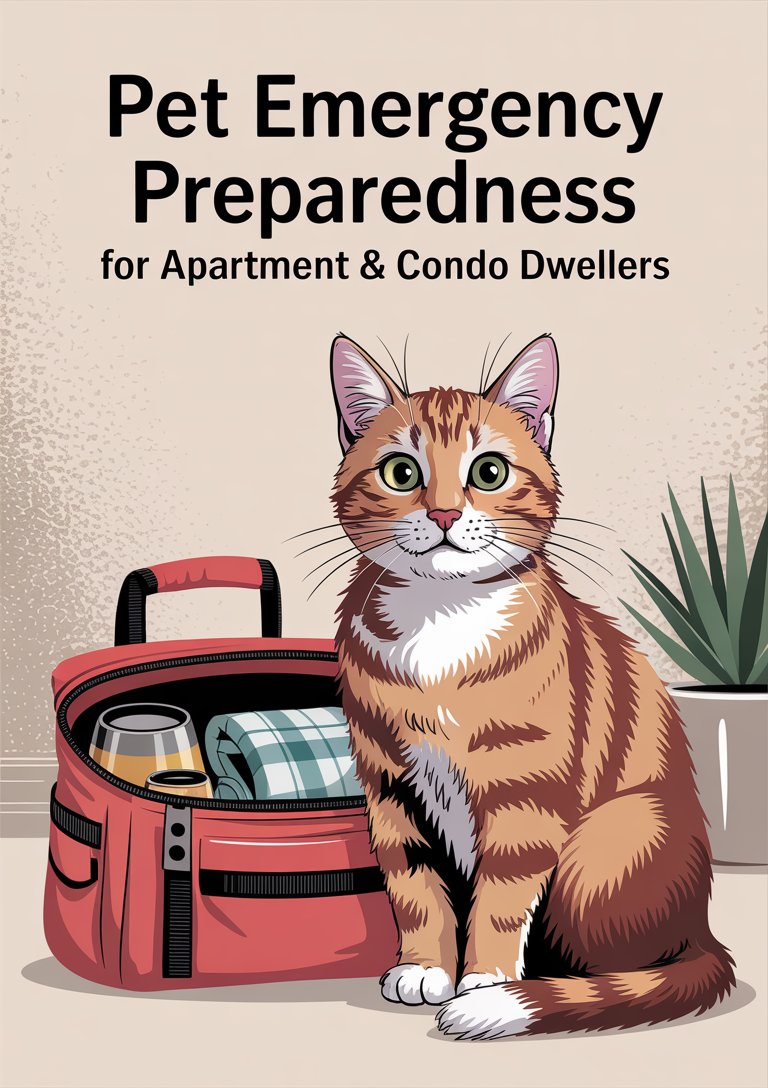
If you’d like an even deeper dive, we’ve put together a detailed guide on pet evacuation planning. It covers tips for traveling long distances, as well as considerations like rural pet emergency preparedness and pet emergency prep apartments.
Master Basic Procedures
When an emergency strikes, first aid skills can buy you precious time. Sometimes, you only need to handle something small, like cleaning a minor wound or removing a tick.
On the other hand, you might have to do more urgent care, such as dislodging a foreign object from your pet’s throat. Having hands-on skills is part of being a responsible pet owner.
Potential life-savers include:
- CPR for Pets. Yes, there is such a thing. If your pet stops breathing, basic CPR techniques can be critical until you reach a professional. The American Red Cross has a handy online Cat and Dog First Aid course that covers breathing emergencies, wounds, and seizures in just 35 minutes [6].
- Controlling Bleeding. Apply direct pressure with a clean bandage for at least five minutes. If the bleeding doesn’t subside or is profuse, call a vet immediately.
- Splinting Fractures. In some cases, stabilizing a broken limb can prevent further damage. You might use rolled magazines or a thick piece of cardboard for temporary support.
Not sure where to start?
The American Red Cross offers a Pet First Aid app with step-by-step tutorials and interactive quizzes. It’s free on both iOS and Android, making it easy to brush up on the go. Or, you can check out more healing techniques over at pet first aid wounds and pet heatstroke frostbite first aid.
Check and Maintain Supplies
Even the best-prepared kit won’t do much good if you don’t keep it updated.
Let’s be honest, we’ve all found expired medicine in our cabinets from time to time. It’s important to treat your pet’s supplies the same way. Medications have use-by dates, food can spoil, and bandages lose adhesiveness.
A few ways to stay on top of it all:
- Rotate Your Items. Mark down expiration dates and set reminders to replace them. Every six months, do a quick check for dryness, leaks, or damage. If you’re worried you’ll forget, consider scheduling it around known occasions, like daylight savings or the start of each season.
- Store Items Correctly. Keep everything in a labeled, airtight container, and away from direct sunlight. Moisture can ruin certain medications, so a dry spot is key. If you’re limited on space, you might find some ideas at pet emergency supply storage.
- Update Information. If you change vets or move, be sure to swap in any new documents or phone numbers. Keep your pet’s microchip info current, too.
If you’ve gone a while without checking your kit, it might be a good time to consult rotating pet emergency supplies. It’ll keep you from missing crucial updates.
Train Your Household
Emergency preparedness isn’t just your job; it’s a team effort. Talk to your family members, roommates, or anyone else who might be around your pet when things go south. Kids, especially, can become key helpers if you show them simple steps ahead of time.
- Assign Tasks. Who will grab the first aid kit? Who’s in charge of gathering the pets if you need to evacuate? By breaking it down, you avoid confusion.
- Practice Sessions. Even a quick drill can help get everyone on the same page about exiting your home or safely catching a panicked cat. A stressed pet might hide somewhere awkward, so teach your kids how to scoop them up gently. The CDC suggests knowing your pet’s hiding spots and practicing how to retrieve them [1].
- Highlight Basic Warning Signs. Make sure each household member knows what to do if, say, they see your dog choking or your cat seizing. A quick “recognition talk” can save valuable time.
For more great ways to get your children involved, check out our kids pet emergency preparedness guide. And if you’re worried about potential pitfalls, read up on pet emergency preparedness mistakes so you can steer clear of them.
Address Disaster-Specific Risks
Certain emergencies come with unique challenges. The gear and plan you need for a winter blizzard might be different from what you need for a hurricane or wildfire. According to the CDC, it’s important to be aware of the most likely disasters in your region and prepare accordingly [1].
- Hurricanes and Flooding. Floodwaters can hide snakes or wildlife, downed power lines, and bacteria that harm pets and people. If you live in a hurricane zone, keep crates on hand. For more, see hurricane pet preparedness and flood preparedness pets.
- Tornadoes. Finding indoor shelter without windows is crucial. Sometimes you only have minutes to act, so keep carriers in an accessible place. Our tornado pet preparedness resource can help.
- Wildfires. Smoke inhalation is just as dangerous for pets as it is for people. Plan your evacuation route well in advance and consider reading about wildfire pet evacuation.
- Winter Storms. Keep extra blankets and warming pads, since hypothermia can set in quickly. Think about your dog’s paws on icy ground. You can learn more at winter storm pet preparedness.
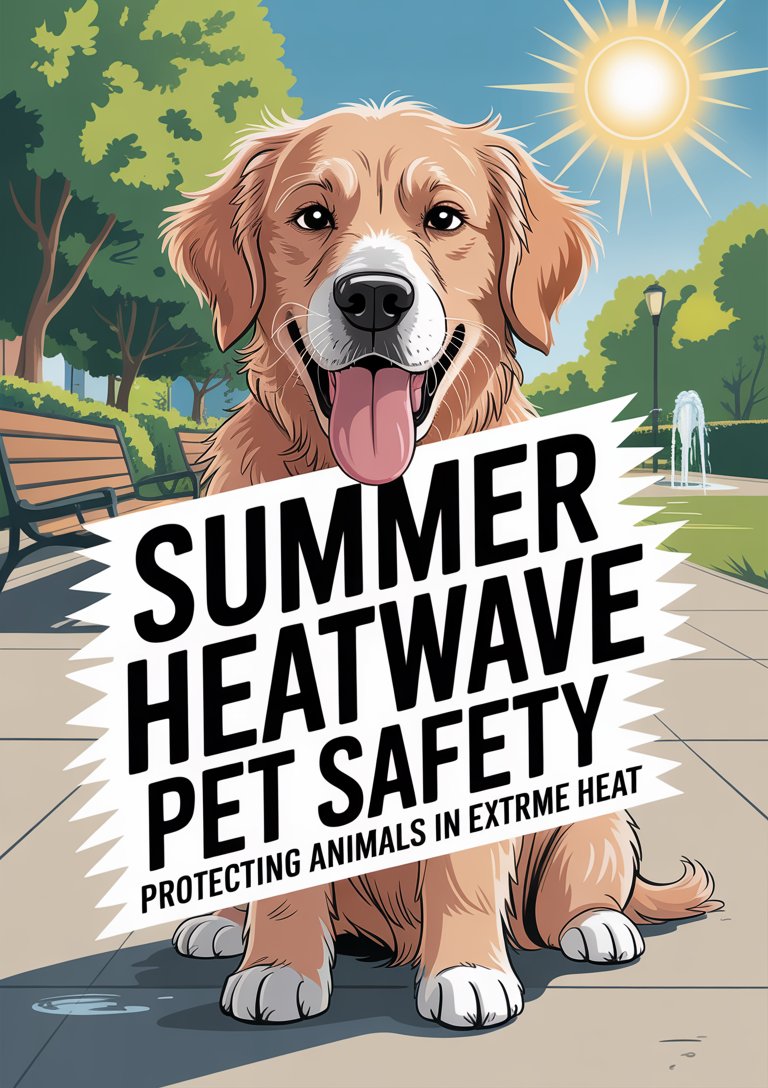
- Heatwaves. Pets can overheat rapidly—particularly short-nosed breeds. You’ll want shade, cool water, and a watchful eye. Check out our heatwave pet safety for tips.
Not sure which emergencies apply to you? Our disaster specific pet preparedness article can guide you through various scenarios, so you’re never caught off guard.
Keep Up with Health Measures
Emergencies beyond your control are stressful enough; you don’t want to add preventable illnesses to the list of worries. Ensuring your pet is up to date on vaccines, heartworm preventatives, flea and tick treatments, and other routine care is one of the easiest ways to protect them before disaster strikes.
After a disaster, stray animals, insect infestations, or compromised water supplies can heighten the risk of transmitting diseases. The CDC emphasizes keeping your pets updated on vaccines and heartworm treatments, especially after natural disasters [1]. So a little prevention goes a long way in maintaining everyone’s health and safety.
Consider Extra Comfort Items
When you’re relocating your pet or shielding them from trauma, emotional well-being is often overlooked. But anxiety can lead to hiding, aggression, or refusal to eat. To reduce stress:
- Familiar Smells. Toss in a blanket or towel that smells like home.
- Comforting Toys. A favorite squeaky toy will do wonders to distract from chaos.
- Calming Aids. Some pets respond well to pheromone diffusers or sprays.
If you want to explore gentle ways to soothe your pet’s anxieties or set up a cozy spot, head over to our suggestions for pet emergency comfort items.
Be Ready for Special Cases
Not all pets are alike. If you have senior pets, for instance, they may need extra medication or special feeding routines when you’re on the move. If you own birds or reptiles, you might need specialized carriers or temperature-controlled setups. Whether it’s age, species, or a long-term medical condition, plan ahead for those needs.
- Senior Pets. They might require softer bedding, ramps, or frequent bathroom breaks. Check out senior pet emergency preparedness for more tips.
- Exotic Pets. Lizards, parrots, or other less common creatures often need distinct environments. Our exotic pet emergency preparedness guide digs into how to handle these unique demands.
- Multiple Pets. Coordinating different supplies and carriers can get overwhelming fast, so read up on multi pet emergency preparedness.
Don’t skip these details, because in a crisis, you won’t have the luxury to jury-rig solutions on the fly.
Stay Budget-Friendly
Worried about costs? Preparing for emergencies doesn’t have to wipe out your savings. Here are some wallet-friendly ideas:
- Watch for Sales. Pet supply stores frequently run promotions, especially on first aid items.
- Go Generic. Some basic gear—like gauze and cotton balls—can be found at discount stores.
- Build Over Time. Tackle one section of your kit each paycheck instead of buying everything at once.
- Check Thrift Stores. You might find gently used carriers or sturdy crates. Just be sure to sanitize them thoroughly before use.
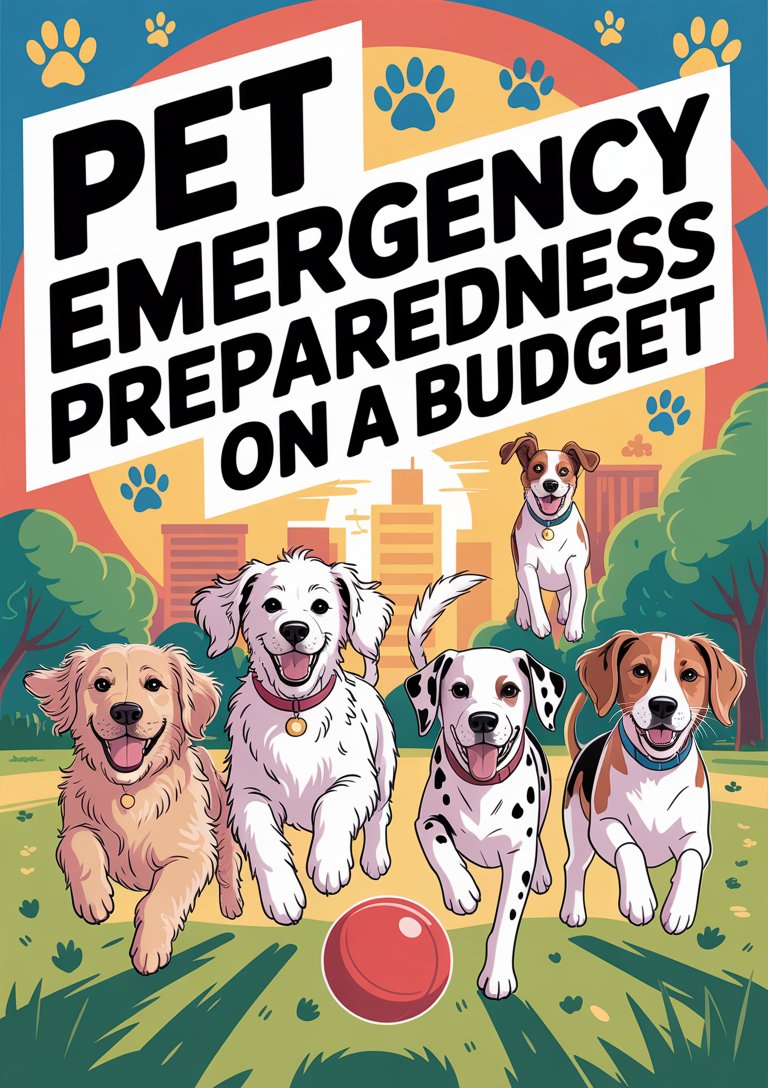
If you’re pinching pennies, give budget pet emergency preparedness a read for even more creative tips to stretch your dollar.
Learn from Vet Advice
Even the most resourceful guide can’t replace professional veterinary insight. Don’t be shy about consulting your vet, especially if your pet has specific medical needs or is prone to certain issues like seizures or allergies.
Many veterinarians welcome questions about things like creating emergency kits and can even suggest specialized instructions.
If you ever feel unsure about the best approach, consider exploring veterinarian pet emergency tips. Knowledgeable input can help fine-tune your plan so you’re covering all the bases—from daily meds to advanced procedures.
Review and Practice Regularly
Life changes, and so do our pets’ needs. Maybe you moved to a new place, adopted another dog, or switched vets. Whatever the case, your emergency plan, supplies, and training should be revisited at least once or twice a year. Here’s a quick checklist:
- Review Your Documents. Make sure nothing’s outdated, including your pet’s photo.
- Inspect Your Supplies. Throw out anything that’s expired or damaged. Restock as needed.
- Refresh Household Training. Do a mini emergency drill every now and then, so everyone knows their role.
- Update Contact Info. That includes phone numbers, addresses, and any microchip registrations.
If you’d like a more structured approach to staying on top of everything, see maintain pet emergency preparedness for step-by-step suggestions.
Address Common Misconceptions
We often pick up well-meaning but incorrect tips, like giving pets certain human medications or thinking a heavy blanket will fix every medical issue. It’s best to bust these myths before they cause harm.
If you’re curious about which pieces of advice are legit vs. questionable, check out our pet first aid myths coverage.
Connect with Community Resources
Remember, when disaster strikes, you’re rarely left to handle it alone. Your local community might have resources like pet-friendly evacuation centers, volunteer groups, or donation drives that distribute supplies.
Some areas even organize community disaster drills that include training for pet owners. If you want to get involved, talk to your HOA, local shelter, or even community social media groups.
We also have a running list of pet emergency resources that can help. And if you’re considering a broader community approach—forming a pet-caretaker network or volunteer team—community pet emergency response could spark ideas for you.
Explore Advanced Options
If you want to go beyond the basics, think about enrolling in a more in-depth training course or picking up specialized equipment. The American Red Cross offers an online Cat and Dog First Aid course through their official site, and they even sell specialized supplies like advanced first aid kits, oxygen masks, and reference guides [6].
Plus, if you’re traveling often for work or fun, you might need gear that’s portable, like collapsible crates or smaller first aid kits that fit in a backpack. For that, see our travel emergency preparedness pets section, or even holiday travel pets preparedness if you’re gone during festive seasons.
Stay Positive and Encouraged
Let’s be real, all this talk about emergencies can feel nerve-racking. But here’s a dose of perspective: most of us will rarely face the worst-case scenarios. The real benefit of preparing is the sense of security that comes from knowing you’re ready if something unexpected does happen.
Every time you restock your first aid kit, update your phone list, or rehearse your medical procedures, you’re building a foundation of safety not just for your pet, but for your whole household’s peace of mind.
Celebrate each step you accomplish, whether it’s picking up fresh bandages or finally finishing that online Pet First Aid course. You’re proving to yourself that you’re willing to go the extra mile for your furry friends. Just like any good companion, your pet counts on you to be there in the tough moments—and now, you’ll know exactly what to do.
Stay Prepared and Confident
Emergencies don’t come with a heads-up text, and panic can set in when you least expect it. But you’re not alone on this journey, and you don’t need to be a professional medic to protect your pet in a crisis.
By gathering the right documents, assembling a reliable first aid kit, and learning a few basic procedures, you’re setting up you and your pet for success.
Keep the conversation going with your vet, your family, and even your neighbors. If something still feels daunting, that’s okay—it just means you might benefit from some extra training or additional resources.
You can also revisit any of the topics mentioned throughout this guide, from family pet emergency plan tips to disaster-specific pet preparedness. Whatever challenge pops up, the key is to keep refining, keep updating, and keep practicing.
Yes, it’s one more task on the to-do list, but trust me, there is real comfort in knowing you’re prepared. Whether it’s a routine trip to the vet or an urgent call for help, you’ll be able to focus on the solutions rather than the panic. Because at the end of the day, you’ve done this before, you know where your supplies are, and you’ve walked through the steps in your mind. The best part? Your pet feels safer, calmer, and more protected because you’re ready to stand by their side. That’s the beauty of pet emergency medical preparedness—it’s a promise that you’ll always be there, ready to care, all the way.